Sewage Cleanup

Sewage Cleanup in San Diego, CA

Sewage cleanup in San Diego, CA is the removal of contaminated wastewater and the cleaning, disinfection, and drying of everything it touched. San Diego Water Damage serves homeowners, landlords, property managers, and businesses after sewer backups, contaminated toilet overflows, wastewater intrusion, and drain failures. Wastewater can carry bacteria, viruses, and parasites, so it needs careful handling, not a routine mop-up. It also spreads: contaminated water can move into flooring, drywall, cabinetry, and wall cavities well beyond the visible puddle. Our assessment starts with the source and the contamination. We identify which materials are affected, check for hidden moisture, and explain which areas need cleaning, removal, or drying before we recommend a plan. Not every toilet overflow or wet floor involves sewage, so the first visit also confirms what you're actually dealing with. If sewage has entered your property, call us a sewage cleanup assessment.

Why Professional Sewage Cleanup Matters

Sewage can carry bacteria, viruses, and parasites, which makes contact with contaminated wastewater a health risk rather than an unpleasant chore. Skin contact, splashes, and handling soiled materials can spread contamination into rooms that never got wet.

The damage is also hidden. Wastewater soaks into porous materials such as carpet, padding, drywall, and insulation, and it can travel beneath flooring or behind walls. Removing the visible liquid doesn’t remove what was absorbed. Hard, nonporous surfaces like tile, sealed concrete, and framing can often be cleaned and disinfected, while porous materials that absorbed contaminated water are frequently removed. The right call depends on actual conditions, not a blanket rule.

Source correction matters as well. Cleanup only lasts when the blockage or broken pipe behind the backup is found and fixed, usually by a licensed plumber. Cleaning and disinfection also come before drying, so moisture isn’t sealed inside contaminated materials.

Different materials call for different handling, and not every wet material has to go. A sealed tile floor and a soaked carpet pad are very different problems, and a careful assessment keeps usable materials in place while removing the ones that can’t be made safe.

What Sewage Cleanup Services Do We Offer in San Diego?

Sewage cleanup isn't a single task. It combines wastewater removal, contamination control, material evaluation, cleaning, disinfection, and drying, and the mix depends on how severe the contamination is and which materials were exposed. These six services cover the stages of a typical project, from the first wastewater removal to final drying.

Sewage Backup Cleanup

Sewage backup cleanup addresses wastewater that has come up through a floor drain, toilet, tub, or other fixture because a sewer or drain line is blocked or damaged. We confirm the source and level of contamination, remove the wastewater, evaluate affected materials and contents, and decide what can be cleaned and what needs removal. Where a blocked or broken line caused the backup, we coordinate with a plumber, because cleanup can't hold if wastewater keeps returning. Contents in the affected area, such as rugs, furniture, and stored boxes, are sorted into items that can be cleaned and items that can't be reliably restored.
Contaminated Water Extraction

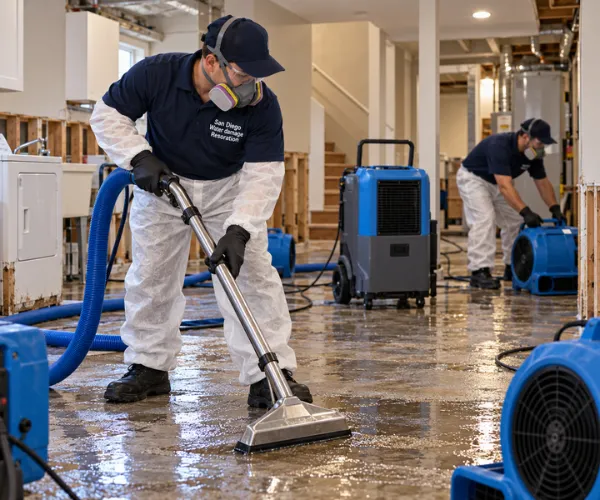
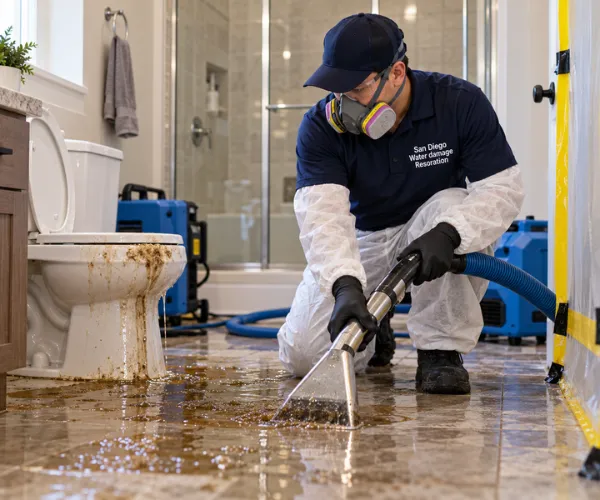
Contaminated water extraction removes accessible standing wastewater using wet extraction equipment, with protective gear and containment steps to limit the spread of contamination. It handles the water you can see, plus some that has pooled in carpet and low areas. It doesn't finish the job. Wastewater can sit beneath flooring or inside wall cavities, and removing standing water doesn't make an area safe or dry. The collected wastewater is contained and disposed of properly, and extraction also helps limit how far wastewater wicks into surrounding materials.

Toilet Overflow Cleanup

Toilet Overflow Cleanup

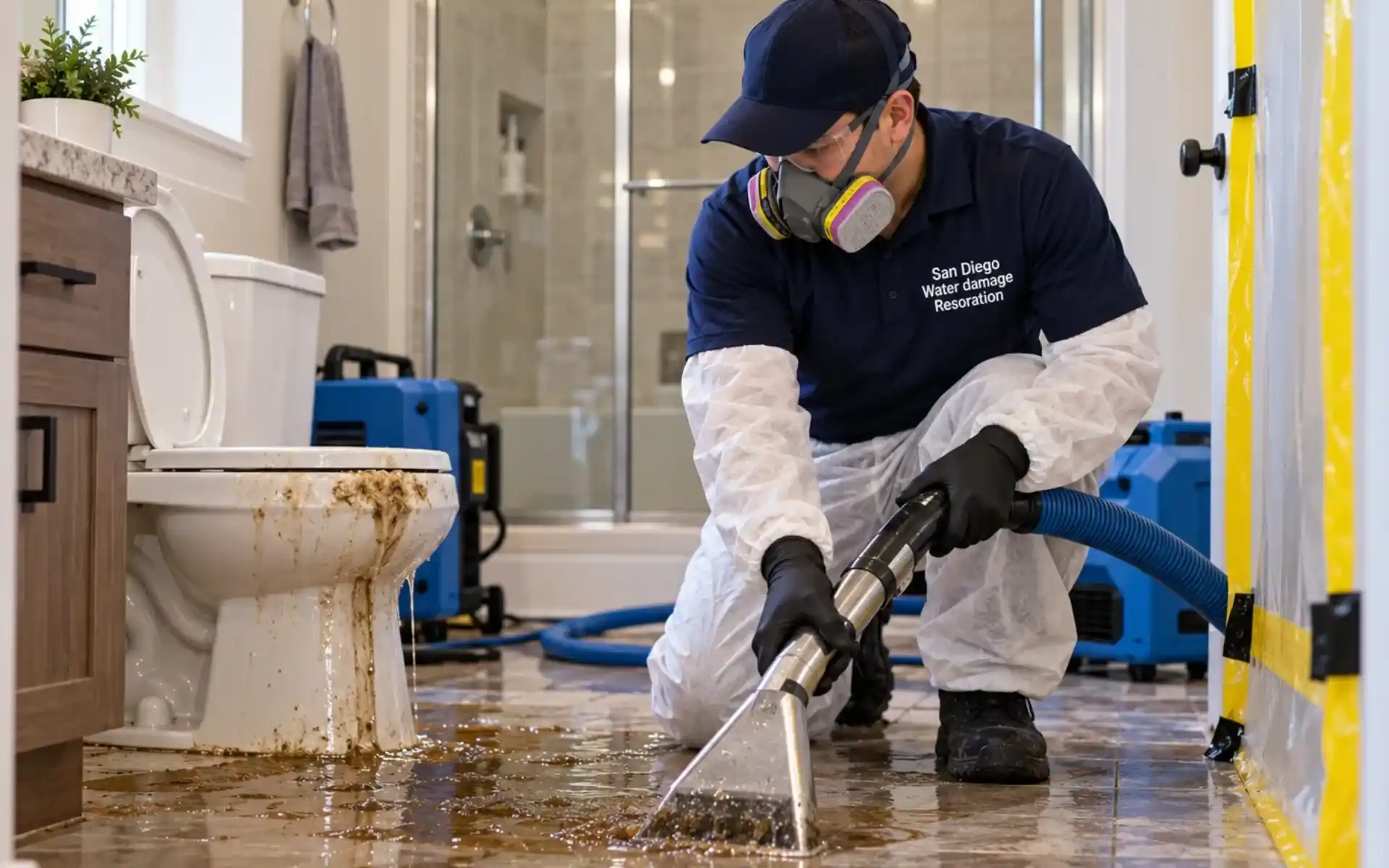
Toilet overflow cleanup addresses water that spills onto bathroom floors and often into adjoining rooms. The water isn't always sewage. It may be relatively clean or carry waste, depending on the cause and what it contacted, and overflow from beyond the toilet trap generally calls for sewage protocols. We find the source, then evaluate flooring, baseboards, cabinets, and walls. Tile and sealed surfaces often respond well to cleaning, while carpet, padding, and drywall need closer evaluation. If the overflow came from a clog in the toilet itself, contamination is usually limited, but we confirm that rather than assume it.

Cleaning and Disinfection

Cleaning and Disinfection

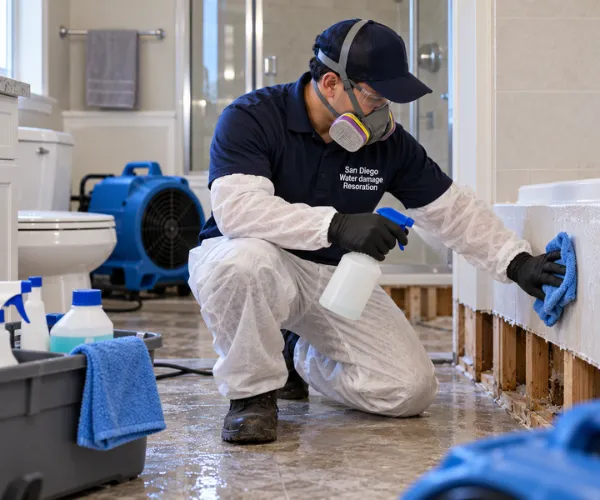
Cleaning and disinfection are two different procedures. Cleaning physically removes debris, residue, and contamination from surfaces. Disinfection then applies a suitable product to reduce microorganisms, following label directions for contact time and surface compatibility. Disinfectant sprayed over residue doesn't work properly, so cleaning always comes first. Surfaces that can't be cleaned thoroughly, such as heavily soaked porous materials, are better removed than treated. Material compatibility matters because some products can stain, etch, or corrode certain finishes, so we select products and methods surface by surface.

Removal of Contaminated Materials

Removal of Contaminated Materials

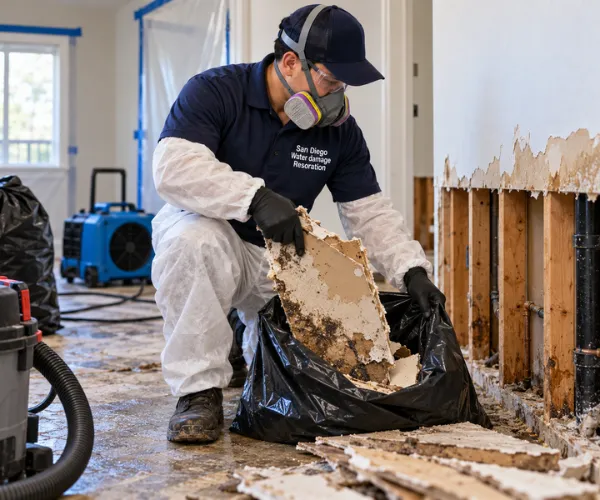
Removal of contaminated materials means taking out porous materials that absorbed wastewater and can't be reliably cleaned. Carpet and padding are common examples. Drywall and insulation exposed to contaminated water are often removed too, because they hold moisture and contaminants inside. We assess each material by type, wet time, and contamination level. Removed items are bagged and disposed of properly, and the exposed structure is prepared for cleaning, disinfection, and drying. Wall cavities and subfloors are checked after removal, since contamination can sit behind the visible surface, and documenting what came out supports repair planning.

Structural Drying After Sewage Cleanup

Structural Drying After Sewage Cleanup

Structural drying after sewage cleanup removes moisture left in subfloors, framing, and remaining materials once contamination is controlled. It differs from clean-water drying because cleaning and disinfection come first, and airflow is introduced only after contaminated materials are out. Dehumidifiers and air movers then pull moisture from the structure while moisture meters track progress. Completion follows readings against drying objectives rather than a set schedule. Drying time depends on how deeply materials were saturated, what they're made of, how many rooms are involved, and the airflow and humidity in the building.

Why Choose Our Sewage Cleanup Team in San Diego?

San Diego Water Damage provides professional sewage cleanup services for residential and commercial properties in San Diego, CA. Our approach focuses on contamination control, careful material evaluation, thorough cleaning and disinfection, and moisture-guided structural drying. We explain each step of the process so property owners understand the damage, recommended cleanup procedures, and what happens next.

Careful Contamination Assessment

Every sewage backup is different. We identify the wastewater source, inspect affected materials, and assess contamination before developing a cleanup plan. This helps determine which materials can be cleaned and which require removal.

Contamination Control and Safety

Sewage can contain harmful microorganisms and other contaminants. We use appropriate protective equipment, containment procedures, and cleaning methods to help limit cross-contamination and protect unaffected areas during restoration.

Professional Sewage Extraction Equipment

We use professional wastewater extraction equipment to remove accessible standing sewage water. Our team also checks for moisture beneath flooring, behind baseboards, and inside affected structural materials to identify damage beyond visible wastewater.

Thorough Cleaning and Disinfection

Removing standing sewage water is only the beginning. We clean affected surfaces to remove debris and contamination before applying suitable disinfectants according to product instructions. Materials that cannot be reliably cleaned are evaluated for removal.

Moisture-Guided Structural Drying

Once contamination is controlled, we use professional drying equipment and moisture meters to monitor affected floors, walls, subfloors, and structural materials. Drying decisions follow moisture readings rather than a fixed timeline.

Clear Communication and Documentation

We explain our findings, recommended material removal, cleaning procedures, drying progress, and repair needs. Project documentation can also help property owners communicate with insurance providers, although coverage depends on the individual policy.

Common Causes of Sewage Backups in San Diego Properties

Sewage backups usually start with a blockage or damage in the sewer line, not in the fixture that overflows. In San Diego, the property owner generally maintains the private sewer lateral between the building and the City main, so a plumber's camera inspection often shows where the problem sits. Common causes include:

Blocked sewer lines

Grease, wipes, and debris can narrow or block the main drain. The lowest fixtures, such as a floor drain or first-floor toilet, often back up first.

Tree root intrusion

Roots enter pipes through small cracks and joints, then catch debris until the line blocks. The City of San Diego names roots and cooking grease as leading causes of sewer spills.

Aging or damaged sewer pipes

Older cast iron and clay lines can crack, separate, or shift out of alignment, restricting flow.

Toilet and drain blockages

One clogged toilet or drain can overflow without any main-line problem. When several fixtures back up together, the main drain is more likely involved.

Grease and nonflushable items

Cooking grease hardens inside pipes, and wipes don't break down. Shared lines in apartments and commercial kitchens collect it quickly.

Wastewater backflow and drainage problems

Heavy rain can add stormwater and groundwater to sewer lines through cracks and loose joints, which may contribute to backups in some cases. A blocked downstream line can also cause backflow.

Our Sewage Cleanup Process: From Contamination to Recovery

Every sewage cleanup follows the same sequence, but the scope changes with the level of contamination and the condition of the property. Each step controls contamination before the next begins, so wastewater isn't carried into clean areas. Here's how a typical project moves from first inspection to repair planning.

Step 1

Inspect the Damage and Identify Contamination

We locate the wastewater source, trace how far it spread, and identify affected materials, from flooring and baseboards to drywall and cabinets. We look for hidden moisture and safety hazards, such as electrical exposure, before work begins. This assessment confirms whether the water is sewage and sets the scope, since a toilet overflow and a main-line backup call for different responses. Photographs and notes document conditions before cleanup begins, and when a blocked or broken line is the cause, we recommend a licensed plumber confirm it.

Step 2

Remove Standing Sewage Water

We remove accessible standing wastewater with wet extraction equipment while wearing personal protective equipment. Where contamination could spread, containment barriers and controlled foot traffic limit it. Controlling spread matters because tracked wastewater creates new areas to treat. Removing liquid is only the first stage, since contaminated moisture remains in materials that absorbed it. Debris and soiled materials are bagged as contaminated waste, and equipment stays out of clean areas until it has been cleaned.

Step 3

Remove Unsalvageable Materials

We evaluate contaminated porous materials, such as carpet, padding, drywall, and insulation, and remove those that can't be properly restored. Hard surfaces like tile and framing are usually kept for cleaning. Removal also exposes wall cavities and subfloors so hidden contamination can be reached, and we explain which materials come out and why. The goal is to remove what can't be made safe while keeping what can, which limits reconstruction later. Decisions rest on material type, wet time, and contamination level.

Step 4

Clean and Disinfect Affected Areas

We physically clean affected surfaces to remove residue, then apply an appropriate disinfectant, following product directions for contact time and surface compatibility. HEPA filtration or HEPA vacuums may be used where fine particles are a concern. Contamination control continues throughout, so the area is ready for drying and later repairs. Heavily soiled areas may need more than one cleaning pass, and waste is handled separately from clean materials to avoid cross-contamination.

Step 5

Dry and Monitor the Structure

Once contamination is controlled, we set up dehumidifiers and air movers and track readings across affected areas with moisture meters. Moisture mapping documents where the structure remains wet. Drying continues until materials reach appropriate drying objectives, which depend on the materials involved, not a fixed number of days. Equipment placement changes as readings change, and drying documentation records starting readings, progress, and final results. Moisture often lingers longest in subfloors and the lower portions of walls, so those areas are checked repeatedly.

Step 6

Review Repairs and Restoration Needs

We review what remains: damaged flooring, drywall, insulation, baseboards, cabinets, and other components. You get a clear explanation of which materials can stay, which need replacing, and what reconstruction involves. Some materials may not be restorable, and we don't assume every one can be saved. Documentation of the work supports repair planning and insurance conversations. Reconstruction, such as replacing drywall, flooring, and baseboards, is a separate phase that begins after drying is confirmed, and plumbing corrections that prevent a repeat backup are discussed alongside the repair plan.

How Much Does Sewage Cleanup Cost in San Diego?

Sewage cleanup pricing depends on the size of the affected area, the volume of wastewater, and how much of the building needs cleaning, removal, drying, and repair. Because sewage is contaminated water, it costs more per square foot than clean-water cleanup.

What affects sewage cleanup cost:

  • Size of the affected area
  • Volume of wastewater
  • Severity and type of contamination
  • Accessibility of affected spaces
  • Contaminated material removal
  • Cleaning and disinfection requirements
  • Structural drying
  • Specialized equipment and labor
  • Repair and reconstruction needs
Estimate Information

National estimates give a sense of scale, not a San Diego quote. Angi's 2026 data puts Category 3 cleanup at about $7.50 per square foot, HomeGuide lists cleanup and disinfection at $7 to $15 or more per square foot, and Angi reports sewer backup cleanup and restoration ranging from $450 to $16,000 depending on the extent of damage. Plumbing repairs that fix the cause are a separate cost.

Insurance: Some homeowners policies offer optional sewer or drain backup coverage, and many standard policies exclude it. Coverage depends on your policy, its endorsements, exclusions, and deductible, and on the cause of loss.

Call (619) 320-9986

What Should You Do After a Sewage Backup?

Safety comes first after a sewage backup. These steps protect your household while you arrange professional help. Leave extraction, drywall removal, and equipment use to trained professionals.

  1. 1

    Keep people and pets, especially children, out of the affected area.

  2. 2

    Avoid direct contact with sewage and don't walk through standing wastewater. If skin contact happens, wash thoroughly with soap and clean water and change clothes.

  3. 3

    Stop using the toilets, sinks, tubs, and washing machine connected to the backed-up line until a plumber finds the source.

  4. 4

    Stay away from standing water near outlets, appliances, and cords. If you suspect an electrical hazard, call an electrician or your utility.

  5. 5

    Call a licensed plumber to find and correct the cause, and a restoration company to handle the contaminated areas.

  6. 6

    Don't run fans or household vacuums in contaminated areas, since they can spread contamination.

  7. 7

    Move valuables out of the area only if you can do so without entering wastewater.

  8. 8

    Document the damage with photos taken from a safe distance, without entering the water.

  9. 9

    Contact your insurance provider, ask about sewer or drain backup coverage, and keep records of your calls.

Where We Provide Sewage Cleanup Services

San Diego Water Damage provides sewage cleanup in San Diego, California, including Chula Vista, CA, El Cajon, CA, La Mesa, CA, Santee, CA, Coronado, CA, National City, CA, Lemon Grove, CA Imperial Beach, CA and Near cities. Sewage backups happen in every kind of building, and the cleanup approach adapts to each. Single-family homes often involve one source and one household, while apartment and commercial buildings may involve shared plumbing stacks and several tenants. In multi-unit buildings, wastewater can travel between units through shared plumbing and walls, so affected units, common areas, and building management often need to coordinate. Landlords and property managers can also arrange cleanup across several units when a shared line is involved. If you're not sure whether your property is within our service area, call us to confirm.

Property Types We Serve

Single-family homes

Condominiums

Apartments

Rental properties

Commercial buildings

Multi-unit buildings

Frequently Asked Questions About Sewage Cleanup

Common questions

Frequently Asked Questions

Is sewage water dangerous?

Yes. Sewage can carry bacteria, viruses, and parasites that cause illness through skin contact, splashes, or contaminated surfaces. Children, older adults, and people with weakened immune systems face higher risk. Avoid contact with the water and affected materials, wash thoroughly if exposed, and have the area assessed before anyone returns to it.

Can I clean up sewage myself?

Not safely, when the contamination is significant. Sewage cleanup needs protective equipment, contamination control, proper disposal, and material removal that household cleaning can't provide. Household products can also leave contamination behind in porous materials and hidden spaces. A professional assessment shows how far the contamination spread.

How long does sewage cleanup take?

Timelines vary. A small, contained area moves faster than a multi-room loss. Contamination level, affected materials, drying needs, and repair scope all affect duration, and drying is guided by moisture readings rather than a calendar. A reliable estimate requires an on-site assessment.

Does homeowners insurance cover sewage cleanup?

Sometimes, depending on your policy. Many standard policies exclude sewer or drain backup unless you've added an endorsement or rider, and deductibles and limits vary. Coverage also depends on the cause of loss. Review your policy language and contact your insurer early to ask what applies to your situation.

Can sewage damage cause mold growth?

It can, but not every sewage backup leads to mold. Mold needs persistent moisture, and materials that stay damp after contamination control create conditions for growth. Prompt cleaning, material removal, and thorough drying reduce the risk. Standards such as IICRC S520 address mold remediation if growth does appear.

Do sewage-contaminated carpets need to be replaced?

Often, yes. Carpet and padding that absorbed contaminated water commonly require replacement, because they hold moisture and contaminants that cleaning can't reliably remove. The decision depends on actual conditions, including how contaminated the water was and how long materials stayed wet. Hard flooring such as tile can often be cleaned and kept.

Can sewage water reach areas behind walls?

Yes. Wastewater can wick up drywall, run into wall cavities, and travel beneath flooring and baseboards, so damage can extend past what's visible. Moisture meters and careful inspection help locate hidden areas, and removing wet baseboards or sections of drywall may be needed to reach them.

Should I stay in my home during sewage cleanup?

It depends on the extent of contamination and whether affected areas can be isolated. Small, contained losses may allow use of unaffected rooms, but widespread contamination, shared air pathways, or safety hazards may mean leaving temporarily. Children, pets, and anyone with health concerns should stay away from affected areas regardless.

Need help with water damage?

Request a restoration assessment

Tell us what happened, where the water is coming from, and which areas are affected. We can discuss the next practical step.