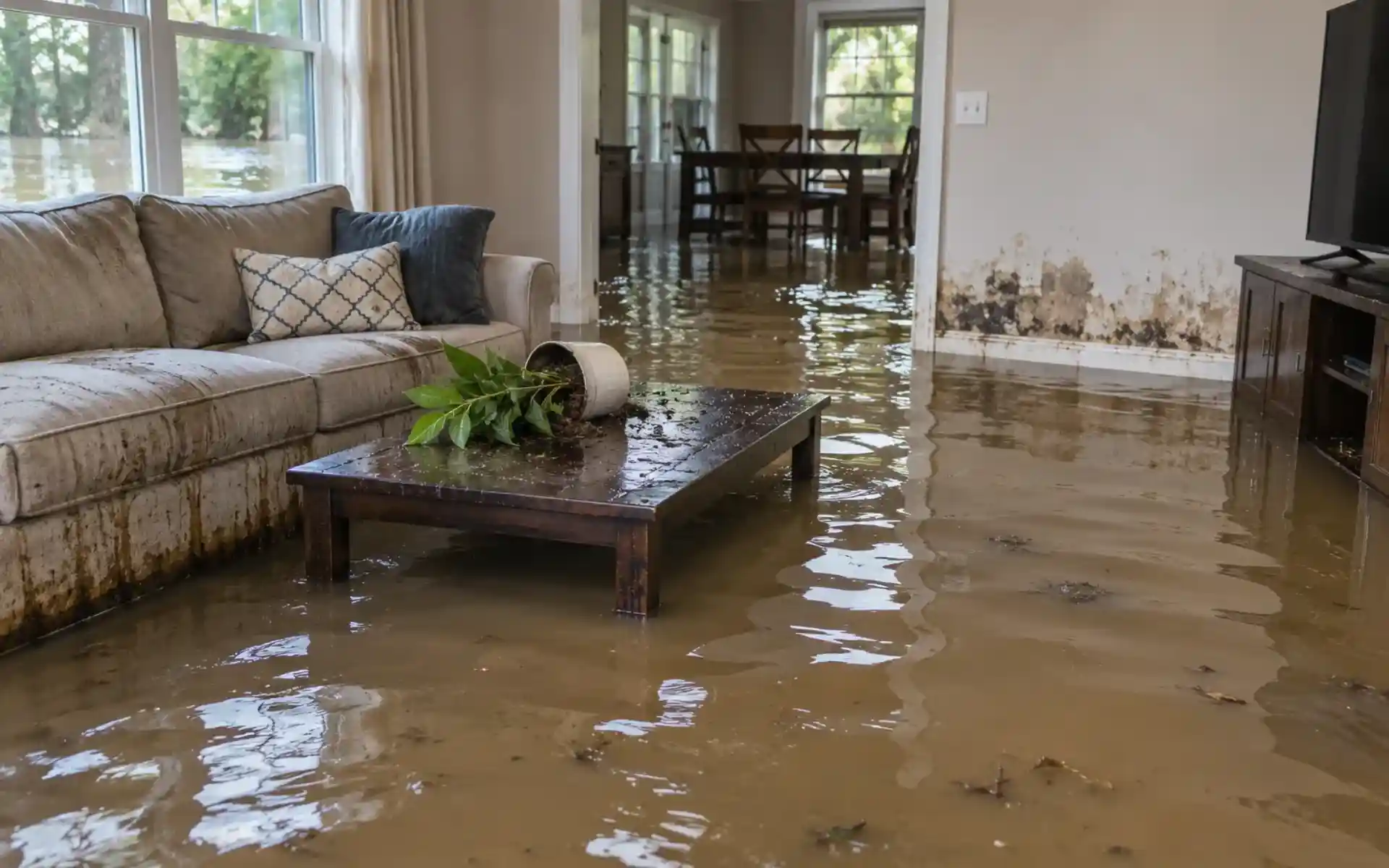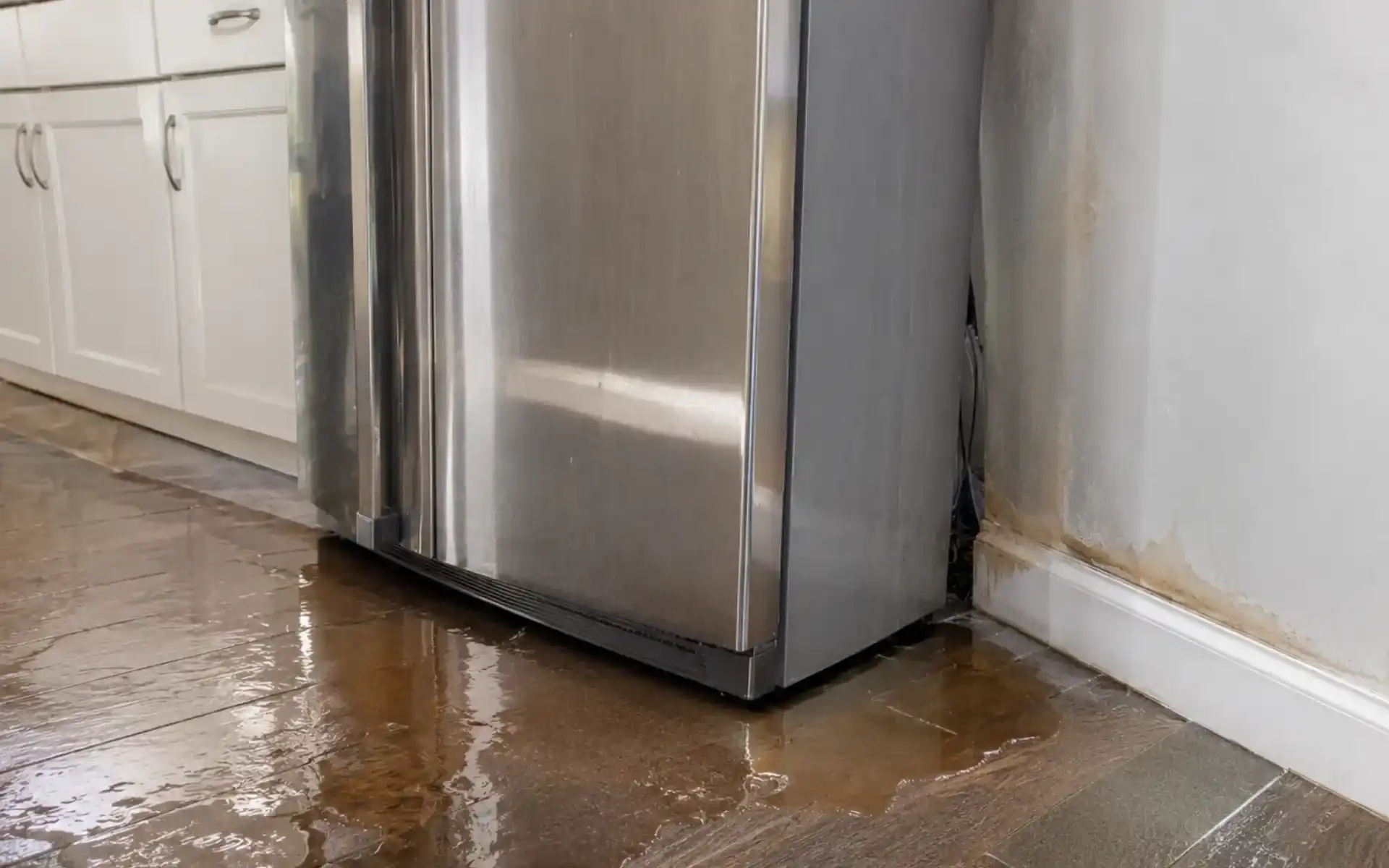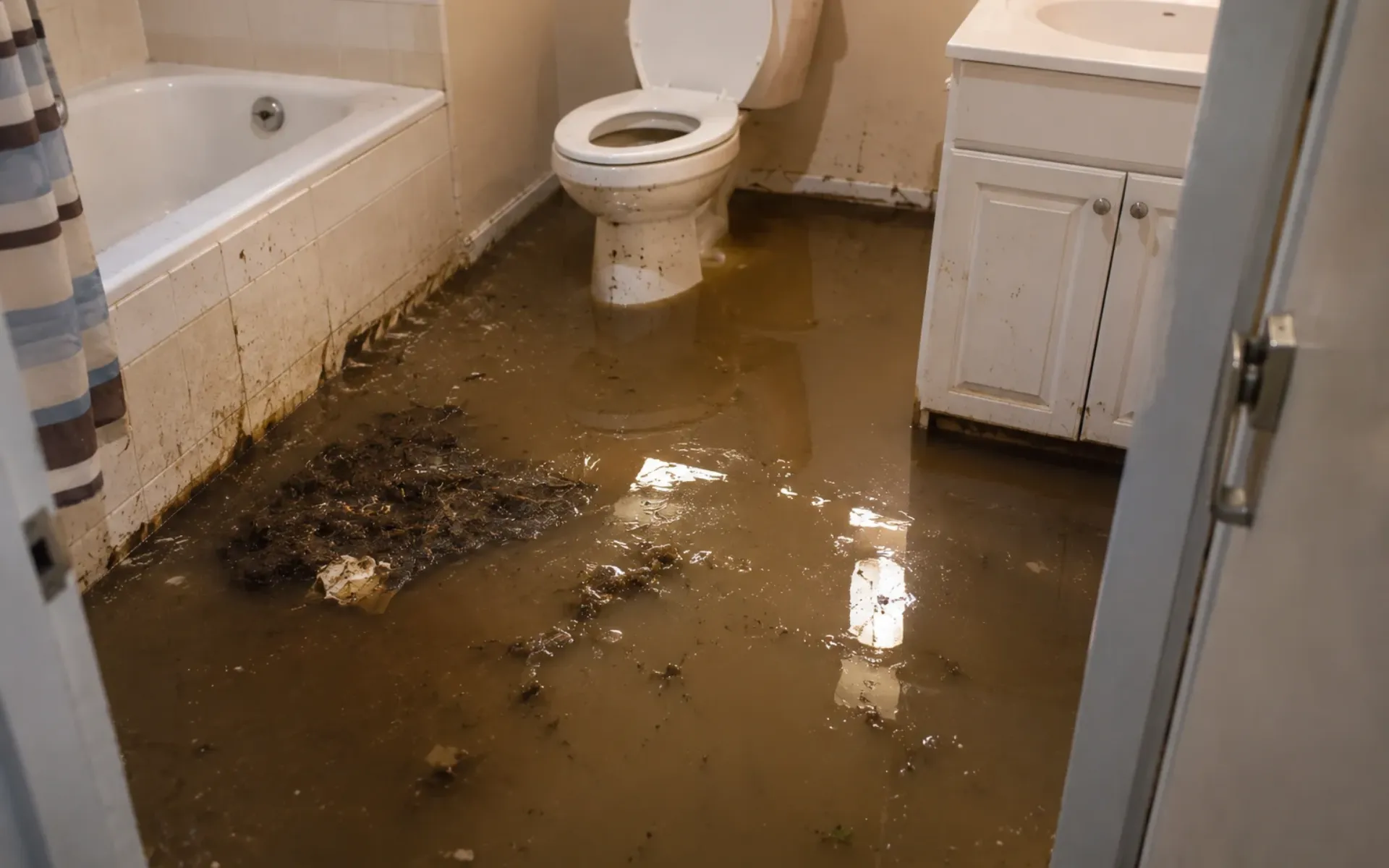

Water damage is the destruction, deterioration or structural compromise of a building, material or item caused by unwanted water intrusion or prolonged moisture exposure. It covers everything from a stained ceiling tile to rotted framing, because water enables processes such as rot, mold, rust and electrical short-circuiting. The harm is not limited to the moment water arrives; wet materials keep degrading for as long as they stay damp. That is why even a modest leak can grow into a costly repair if nobody notices it.
Water damage is a major contributor to property loss, and it does its harm whether the water arrives quickly or slowly. A burst pipe can soak a room within minutes, while a small seep behind a wall may take months to show itself. Either way, wood swells, drywall softens, metal corrodes and wiring can become unsafe. Understanding which kind of event you face shapes how urgently and how thoroughly it needs to be handled.
Time is the most important variable, because damage progresses the longer materials stay wet. Quick action stops the source, removes standing water and dries structures before mold and decay take hold. The details also vary by how contaminated the water is and how much of the building absorbed it. Knowing the causes, categories, warning signs and restoration steps helps you respond sooner and limit losses.
What Causes Water Damage in a Home?
Water damage in a home comes from sudden failures, slow hidden leaks and outside water entering the structure. The water damage causes fall into three groups: plumbing failures, appliance malfunctions, and weather and structural issues. Some events involve a clear intrusion of water, while others are prolonged moisture exposure that builds quietly. The list below shows common sources.
- Dishwasher hoses and washing machine overflows
- Pipes, flood waters and groundwater seepage
- Roof, gutter and foundation failures
Dishwasher hoses, washing machine overflows and leaking pipes are typical indoor culprits. Flood waters, groundwater seepage and failures in the building envelope, such as roofs and foundations, bring water in from outside. Indoor sources often begin small and worsen, whereas storms can deliver large volumes at once. Each source tends to leave a different pattern of damage.
The distinction between sudden and slow matters for detection. A burst pipe announces itself immediately, but a seeping connection can stay hidden inside a wall or floor for a long time. Hidden leaks often cause the most extensive damage because nobody responds until stains, odors or softened materials appear. The next three sections look at each cause group in more detail.
Plumbing Failures
Plumbing failures include burst pipes, leaking supply lines and loose connections behind walls, and they are a leading source of hidden water damage. Because the pipes sit inside walls, floors and ceilings, a leak can run for a long time before any damage shows. By then, insulation, drywall and framing may already be saturated. Finding the leak early is often the difference between a small repair and major restoration.
A slow leak and a burst pipe behave very differently. A burst pipe floods an area quickly and is obvious, so the response is fast. A slow leak is quiet, yet even a 1/8-inch crack in a pipe can release up to 250 gallons of water a day. Over days or weeks, that volume can soak large areas without a single dramatic moment.
Some of the hardest leaks to find are underground or under floors. A leaking supply line or drainage pipe under a concrete slab is a hidden source that may only reveal itself through damp flooring, musty odors or higher water use. Loose connections behind walls can drip steadily and feed mold in the cavity. Any unexplained dampness deserves an inspection of the plumbing nearby.
Appliance Malfunctions
Appliance malfunctions such as leaking washing machines, broken dishwashers, faulty water heaters and overflowing AC condensate drain lines are common causes of indoor water damage. These machines run on pressurized water lines or hold large volumes, so a single failure can release a lot of water. Because they sit on finished floors, the water quickly reaches subfloors, cabinets and adjacent rooms. Regular checks catch many problems before they escalate.
Water heaters deserve special attention because their failure can be sudden. Sediment accumulation inside the tank causes rust, and rust eventually leads to leaks. Age adds to the risk, and a tank that has been weeping slowly can fail catastrophically. When that happens, the stored water spills into the surrounding space in a short time.
Supply lines for washing machines are another weak point. Rubber or PVC lines can wear out and rupture, flooding a laundry room in minutes. Overflowing AC condensate drain lines are less dramatic but still wet ceilings, walls and floors when clogged. Replacing worn hoses and keeping drain lines clear are inexpensive ways to avoid these losses.
Weather and Structural Issues
Weather and structural issues, including heavy rain, severe storms, roof leaks and foundation cracks, let outside water into a building. Strong winds and heavy downpours can damage a roof and allow rainwater to enter, soaking attic insulation and ceilings below. Flash flooding in flood-prone areas, storm surge and surface water can also reach lower levels. These events often combine large volumes with contaminated water.
Ordinary maintenance gaps matter too. Overflowing gutters can run water down the side of the house into walls and floors instead of away from it. Roof leaks and foundation cracks act as permanent entry points that admit water every time it rains. Spotting stains after storms is a good cue to inspect these structural pathways.
What Are the Categories of Water Damage?
Water damage is classified into three categories based on the safety and contamination level of the water. The Institute of Inspection, Cleaning and Restoration Certification (IICRC) defines these categories, which range from clean to grossly contaminated. The water damage category tells you how risky the water is to people and what handling it requires. It is about the water’s source and cleanliness, not how much of the building is wet.
Category matters because contamination affects health and cleanup methods. Clean water is relatively safe to handle, while gray and black water can carry pathogens or toxins. Water can also move up a category as time passes and bacteria multiply. The following sections describe each category and the sources that typically produce it.
Category 1: Clean Water
Category 1 water comes from clean, sanitary sources such as faucets, water fountains, toilet tanks and supply lines. It poses no immediate health risk when addressed quickly. A broken supply line or leaking pipe is a typical example. Despite the label, clean water still damages materials, so it needs prompt attention.
Clean water is relatively safe to handle, but time is essential. The longer it sits, the more it picks up from floors, soil and building materials. Wet carpet, drywall and insulation can harbor microbes that change the water’s character. What began as a simple plumbing leak can quietly become a contamination problem.
If it is not addressed, Category 1 water can become Category 2. That progression is the main reason speed matters even when the source seems harmless. Stopping the supply, removing water and starting to dry early keeps the damage in the lowest-risk category. Delay raises both health concerns and the work required.
Homeowners can often manage small Category 1 incidents themselves, such as a minor faucet leak that is caught right away. The goal is to stop the source, remove the water and dry everything thoroughly. Larger spills, or any water that has soaked into walls or flooring, are harder to dry fully. In those cases a restoration professional can confirm the structure is dry.
Category 2: Gray Water
Category 2 water, often called gray water, contains significant contaminants that can cause discomfort or sickness on exposure or consumption. Typical sources include leaking washing machines, broken dishwashers and sink drain flushes. The water is not sewage, but it carries enough chemical or biological material to cause illness. Contact and ingestion should be avoided.
Handling gray water calls for careful cleanup, with protective gear and thorough removal of affected materials. Porous items that soaked up the water, such as carpet padding, often cannot be reliably cleaned. Professional help is often needed to disinfect and dry the area properly. Acting quickly also stops the water from deteriorating into the worst category.
Category 3: Black Water
Category 3 water, or black water, is grossly contaminated with sewage, bacteria or toxic runoff from floods. It includes sewage, seawater, rising river or stream water, storm surge, ground surface water and standing water. These sources can carry disease-causing organisms and chemicals. Any contact with the water or affected materials carries real health risk.
Category 3 damage should be left to professionals because of the significant health risks. Trained crews use protective equipment and follow containment and disposal procedures that homeowners cannot easily replicate. Porous materials that absorbed black water are typically removed rather than saved. Keep children, pets and anyone vulnerable away until the area has been properly treated.
How Do Water Damage Classes Differ from Categories?
Water damage classes describe how much and how fast water can evaporate from affected materials, while categories describe contamination. A class is based on the potential evaporation rate for the materials involved. Thresholds use the share of wet porous materials across the combined floor, wall and ceiling area. The table summarizes these thresholds.
| Class | Wet porous materials | |
|---|---|---|
| 1 | Below about 5% | |
| 2 | About 5-40% | |
| 3 | Above about 40% |
Class guides the drying plan, because water absorption and affected area determine how much equipment and time drying takes. A small spill on a hard floor is far easier to dry than water wicked into walls and carpet. Class is only one of several factors, and a restoration professional assesses the actual conditions on site. Higher classes involve more porous material holding water.
The two ratings answer different questions and are used together. Category asks how safe the water is, and class asks how big and absorbent the drying challenge is. A clean-water leak could affect a large share of porous materials, and a small sewage backup could be contaminated but limited in extent. Together they set the safety precautions and drying scope.
What Does Water Damage Look Like? Key Warning Signs
Water damage shows up as stains, texture changes, odors and mold, and some signs are visible while others stay hidden. Look at walls, ceilings and floors, since each location reveals different clues. Early detection limits how far the damage spreads and how much needs replacing. The list below gives common indicators.
- Yellow, brown or rust-colored rings
- Bubbling paint and peeling wallpaper
- Warped floors, spongy drywall, musty smells
Visible signs include discolored patches, bubbling paint, peeling wallpaper, warped flooring and soft, spongy drywall. Hidden indicators include musty smells, often detected in basements, which are an early sign of water damage. A smell with no visible cause suggests moisture is trapped behind a surface or under flooring. Treat that as a reason to investigate.
Ceilings often reveal leaks from roofs or upstairs plumbing, walls show pipe and gutter problems, and floors reveal slab or appliance leaks. Checking after storms and when something feels damp helps you catch problems sooner. The sections that follow explain each type of sign in more detail. One clue alone may be ambiguous, but several together point strongly to moisture.
Discoloration and Stains
Water stains usually appear as yellow, brown or rust-colored rings on ceilings and walls. Water rings are usually a light brown color, while water stains are often dark yellow or similar to rust. Streaks may also run down an affected wall. These marks form as water carries dissolved material to the surface and dries.
The most useful clue is whether a stain changes. A ring that expands, or new rings forming around the old one, suggests an ongoing leak rather than a past event. A dry, unchanged stain may be from a leak that has been fixed. Marking the edge with a pencil and checking again later helps you tell the difference.
Texture and Material Changes
Texture and material changes include bubbling paint, peeling wallpaper, warped flooring and soft, spongy drywall. Water inside a wall can stretch paint, forming bubbles that can pop and leave cracked or flaking patches. Wallpaper can bubble or detach when humidity exceeds 70 percent for extended periods. These changes mean moisture is working beneath the surface.
Floors tell their own story. Warped boards or a sloping floor can indicate foundation issues and also water damage. Pressing on drywall that feels soft or spongy confirms that it has absorbed water. Because several causes can produce these signs, an inspection helps find the real source.
Hidden Water Damage: Odors and Mold
A persistent musty odor is a clue to concealed moisture and likely mold growth. Mold can begin to grow within 24 to 48 hours of water exposure if it is not handled properly. Poor airflow speeds growth where moisture lingers. Smelling it without seeing it often means the problem is inside a wall or under flooring.
Limiting mold means drying wet materials within 24 hours and keeping indoor relative humidity below 50 percent. Open windows, fans and dehumidifiers help when the area is accessible. Persistent humidity creates conditions in which mold can keep growing after the visible water is gone. Drying fast is more effective than cleaning mold later.
When you suspect hidden damage, check wall cavities and subfloor areas. Basements, crawl spaces and areas around plumbing are common trouble spots. Moisture meters and inspection openings let professionals confirm what is inside without guessing. If the smell continues after surfaces dry, the moisture source is still active.
Water Damage vs Termite Damage
Water damage and termite damage share several signs, so they are easy to confuse. Both can damage wood, create soft areas and bubble or peel paint. The difference is how the wood looks afterward, since termite damage leaves wood much hollower inside than water damage. The table compares the two.
| Sign | Water | Termites |
|---|---|---|
| Paint bubbling | Yes | Yes |
| Wood interior | Swollen, soft | Much hollower |
Water-damaged wood tends to be swollen, stained or soft because it absorbed moisture. Termite-damaged wood may sound hollow when tapped, since the insects eat the interior. Looking at the pattern of damage and tapping the wood can offer clues. Neither judgment is conclusive without a closer look.
Call an inspector when the signs are unclear. Moisture can also attract termites, so the two problems sometimes appear together. A professional can identify the cause and recommend whether you need drying and repair, pest treatment or both. Treating the wrong problem leaves the real one active.
What Health and Property Risks Does Water Damage Create?
Water damage creates health risks from mold and contaminated water, along with property risks such as rot and structural weakening. Mold exposure can cause immediate or delayed allergic reactions in sensitive people. Contaminated water can cause illness on contact or ingestion. The list summarizes the main risks.
- Mold-related allergic reactions
- Illness from contaminated water
- Rot, sagging framing, cracks, electrical damage
Untreated water damage can cause rotting wood, sagging beams, cracks and compromised electrical fixtures. Water and electricity are dangerous together, and damaged fittings may be unsafe long before they visibly fail. Damage that is left in place also lowers property value, since buyers and inspectors can spot stains, odors and repairs. Fixing the source and drying early costs far less than rebuilding.
The scale of these losses is large. Global insured losses from floods, storms and inland water damage reached roughly US $140 billion in 2024. That figure covers only insured losses, so the true total is higher. It shows why prevention and quick response matter to individual homeowners as well.
How Does Water Damage Differ from Flood Damage?
Water damage is the broad term for harm from unwanted water, while flood damage is caused by water from natural disasters. Flood sources include heavy rain, snowmelt, storm surge, flash flooding and hurricanes. Flood water is surface water that enters a building from outside. A burst pipe or leaking appliance is water damage but not flood damage.
The distinction matters for insurance. Surface water damage to the dwelling is flood damage and is normally excluded from traditional homeowners coverage. Flood protection is usually a separate policy, such as one through the National Flood Insurance Program in the United States. Check which events your policy covers before a loss occurs.
Flood water also tends to be heavily contaminated. Storm surge and rising river water fall into Category 3, so flood cleanup often requires professional handling. Plumbing and appliance leaks are more likely to start as clean or gray water. The source of the water therefore affects both coverage and cleanup.
What Is the Water Damage Restoration Process?
Water damage restoration process is a sequence of steps to stop the water, remove it, dry the structure and repair what was harmed. The water source must be stopped before any cleanup begins. Certified restoration specialists then monitor drying using psychrometrics, the science of air moisture and temperature. The numbered steps below outline the sequence.
- Stop the water source
- Assess and document damage
- Remove water and dry the structure
- Monitor, clean and repair
Standards and certification matter when choosing a firm. Check for IICRC certifications and appropriate licenses before hiring. Specialists track conditions until materials reach dry standards rather than just removing visible water. That monitoring is what prevents hidden moisture from leading to mold later.
What to Do Immediately When Water Damage Occurs
Ensure safety first, stop the water source, and document the damage. Insurers recommend photos and moisture readings, and you should note how long materials have been wet. Timing matters because drying within 24 hours limits mold growth. The steps below put these actions in order.
- Ensure safety
- Stop the water
- Document damage and wet duration
- Begin drying within 24 hours
Safety comes first because water near electrical systems is hazardous. Once it is safe, stop the water, remove standing water and start drying wet areas within 24 hours. Recording the duration of wetness helps professionals judge the scope of the work. Photos also support any insurance claim you may file.
Water damage can be handled in stages, and each stage builds on the one before it. After the immediate response, a thorough assessment identifies the water category, class and hidden moisture. That assessment decides which materials can be dried and which must be removed. Skipping it risks leaving damp areas behind.
Drying, monitoring and repair then follow. Equipment such as air movers and dehumidifiers is used, and readings are taken until materials are dry. Only then should finishes be replaced. Rebuilding over damp materials invites mold and repeat damage.
Does Home Insurance Cover Water Damage
Home insurance may cover sudden and accidental water damage, such as a burst pipe, but coverage varies by policy. Surface water flooding is normally excluded from traditional homeowners coverage and needs separate flood insurance. Gradual damage from neglected leaks is often treated differently from sudden events. Reading your policy for exclusions, limits and deductibles is the best way to know.
To support a claim, stop the water source and document the damage with photos and moisture readings. Note when the water started and how long materials stayed wet. Prompt mitigation is usually expected, since insurers look for reasonable steps to limit further loss. Contact your insurer early to learn what they require.
When to Call a Professional
Call a professional when water damage is hidden, widespread, long-lasting or contaminated. Professional emergency restoration is a must for sewage spills. Experts can inspect hidden areas such as wall cavities and subfloors using proper tools. That is difficult to do from the surface alone.
Extended wetness is another trigger. Materials that stayed wet beyond the 24-hour drying window may already harbor mold, even if they look fine. Widespread moisture also needs equipment and monitoring beyond what household fans can provide. Early professional help typically reduces the final scope of repair.
Verify that the contractor is an IICRC-certified firm before work begins. Ask about licenses and how they will monitor drying. A qualified company will explain its plan and document the conditions. This protects both your property and any insurance claim.
How Can You Prevent Water Damage?
You can prevent water damage through regular maintenance of pipes, hoses, appliances, roofs and drainage. Experts suggest inspecting and replacing worn fittings and hose connections at least once a year. Seasonal checks of gutters, the roof and the foundation catch problems before storms. The list gives key habits.
- Yearly check of hoses and fittings
- Clean gutters; inspect roof and foundation
- Install leak sensors and shut-off valves
Grade soil to slope away from the foundation so rain drains away from the house. Leak sensors and automatic shut-off valves can detect and stop leaks before they spread. Upkeep of water heaters and AC drain lines removes common failure points. Households with proactive measures are reported to see up to 30 percent fewer incidents.
Frequently Asked Questions About Water Damage
How Quickly Can Mold Grow After Water Damage?
Mold can begin growing within 24 to 48 hours on wet materials, especially in warm, humid conditions. Growth speeds up the longer materials stay damp. Drying quickly is the best prevention, and persistent musty odors are often the first clue before any mold is visible.
Can Water Damage Dry Out on Its Own?
Surface water may evaporate, but moisture trapped in walls, subfloors, and insulation usually doesn’t dry fully without help. Materials can stay damp inside while feeling dry outside, which invites mold and rot. Dehumidifiers and air movers, and sometimes opening walls, are often needed.
Is Water Damage Permanent?
Not always. Water damage caught early can often be reversed by drying, and many materials recover. Once materials rot, warp, or grow mold, they usually need replacement. How permanent the damage is depends on how fast drying started and what the materials are.
How Can You Tell If Water Damage Is Old or New?
Old damage often shows dried, layered rings or yellow-brown stains with brittle or crumbling material, while new damage tends to look darker, feel damp, and be soft. Repeated wetting complicates this, so a moisture meter or an inspection gives a more reliable answer than appearance alone.
Can Water-Damaged Drywall and Flooring Be Saved?
Sometimes. Drywall and flooring soaked with clean water and dried within a day or two can often be saved if they haven’t sagged or crumbled. Contaminated water, long exposure, or heavy damage usually means replacement. A moisture reading is the best test of whether a material can be dried in place.
Does Water Damage Always Require Professional Restoration?
No. A small, fresh, clean-water spill on a limited area can often be handled yourself if it dries completely within about two days. Larger losses, contaminated water, hidden moisture, or visible mold call for a restoration company, since incomplete drying leads to bigger problems later.
Can a House Be Restored After Severe Water Damage?
In most cases, yes. Even serious losses can usually be restored by removing damaged materials, drying the structure, and rebuilding. Whether it’s practical depends on structural damage, contamination, and cost compared with the home’s value. An inspection and written estimate show what’s realistic.
What Happens If Water Damage Is Left Untreated?
Untreated water damage tends to progress to mold, rot, rust, and structural weakening, and the repair cost climbs as it spreads. It can also cause health problems from mold or contamination and may complicate insurance claims if delay worsens the loss.
Getting Water Damage Assessed
If you’ve found water damage or suspect a hidden leak, a licensed water damage restoration company can inspect the area, measure moisture, and explain your options before any work begins.