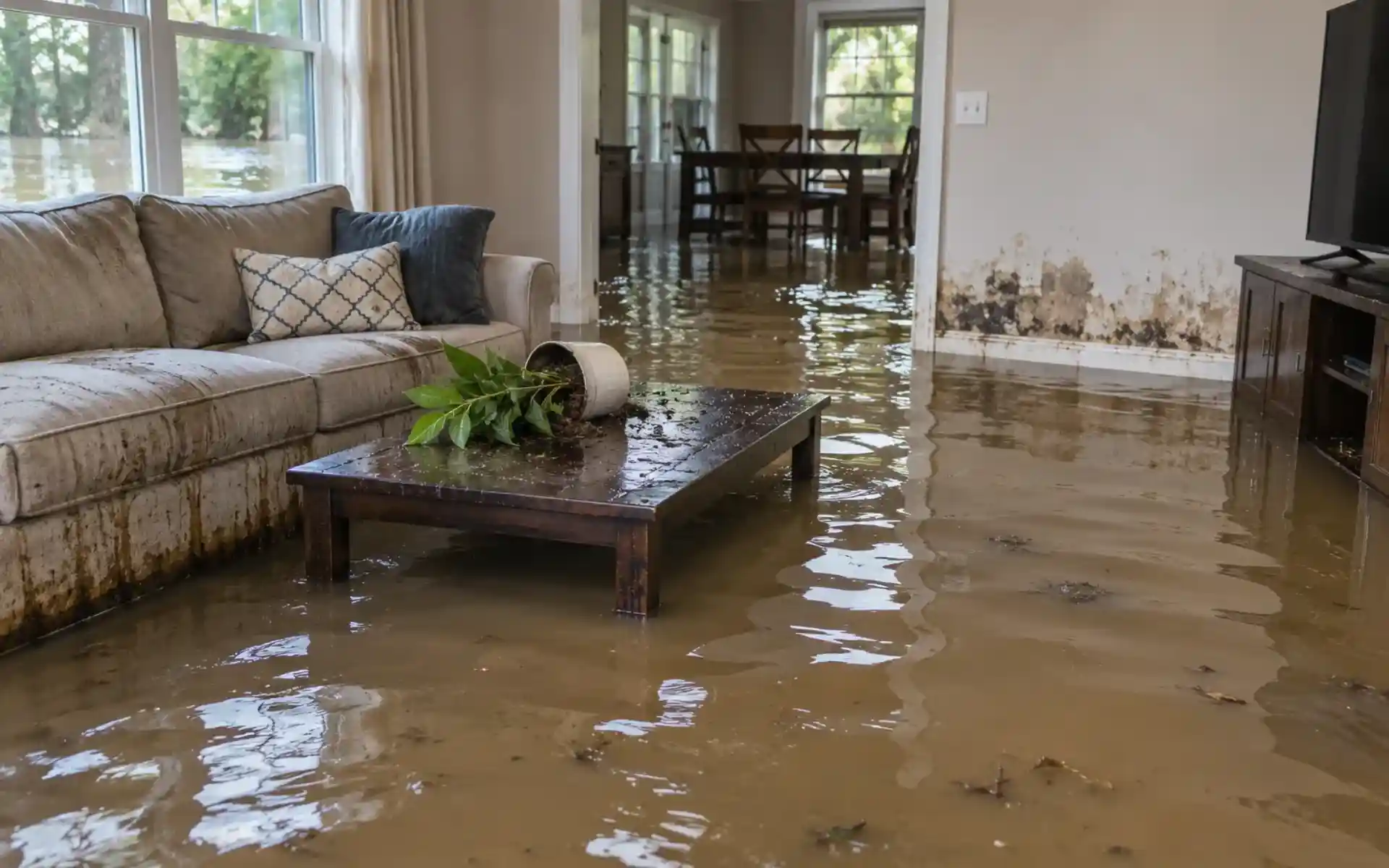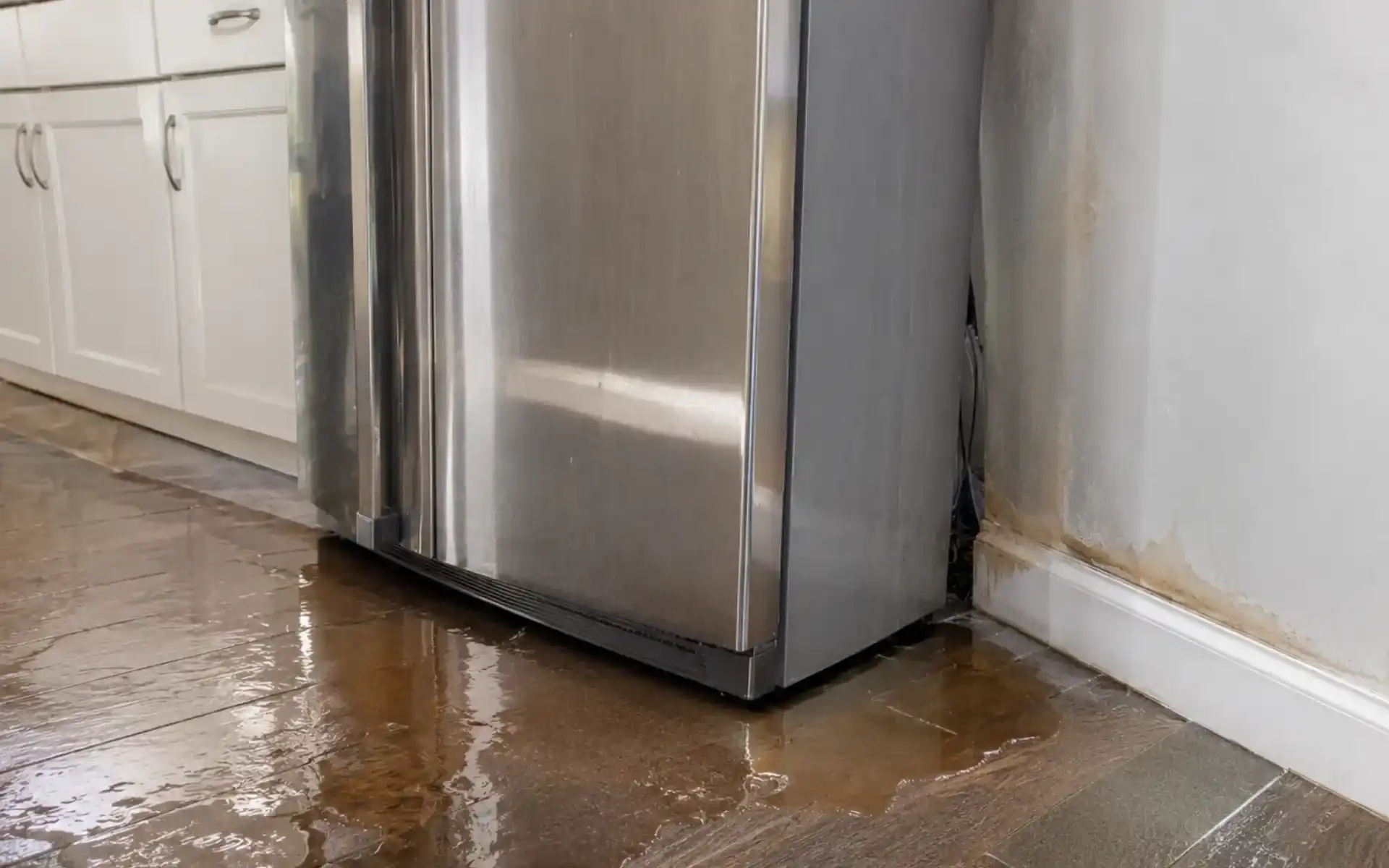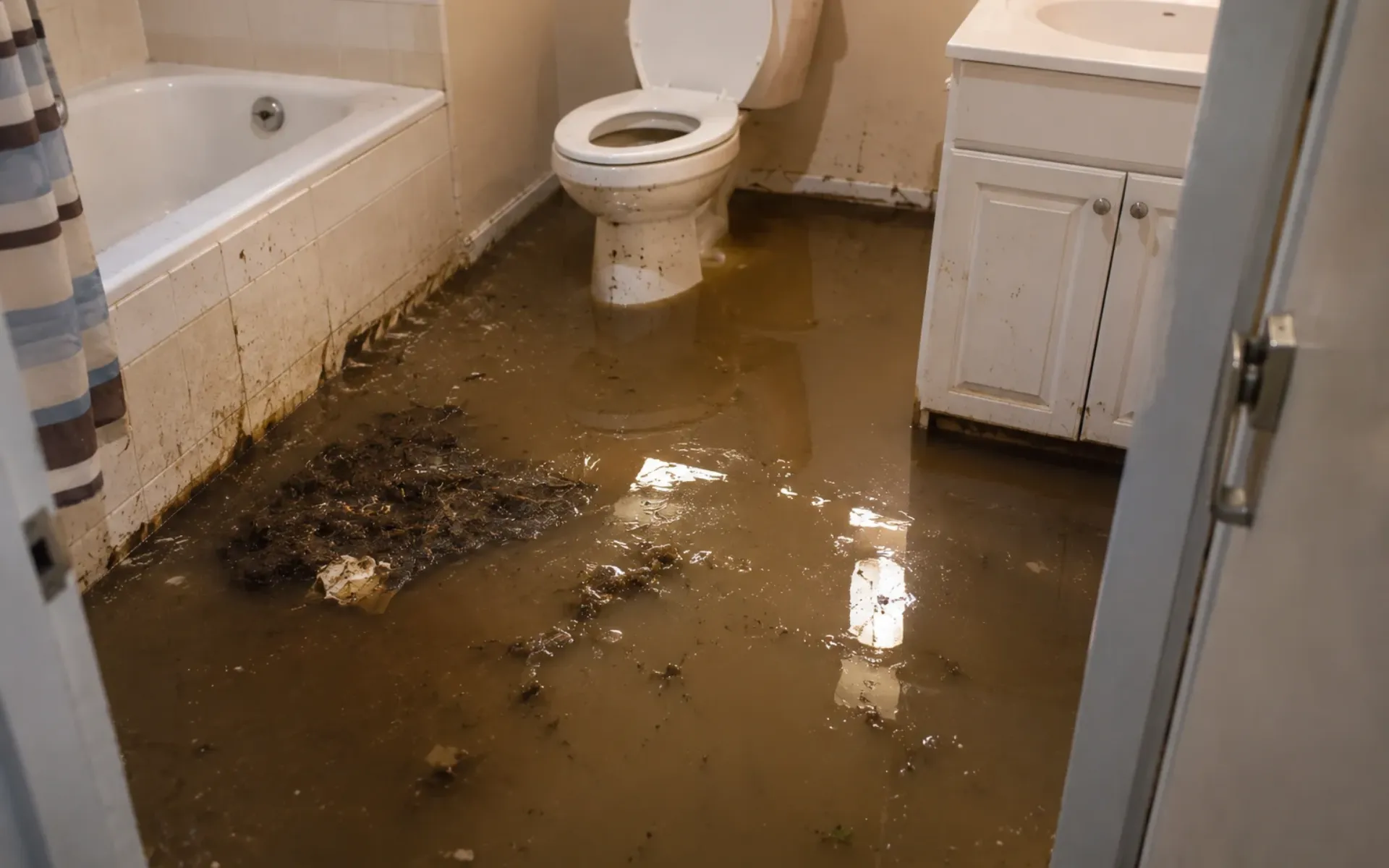
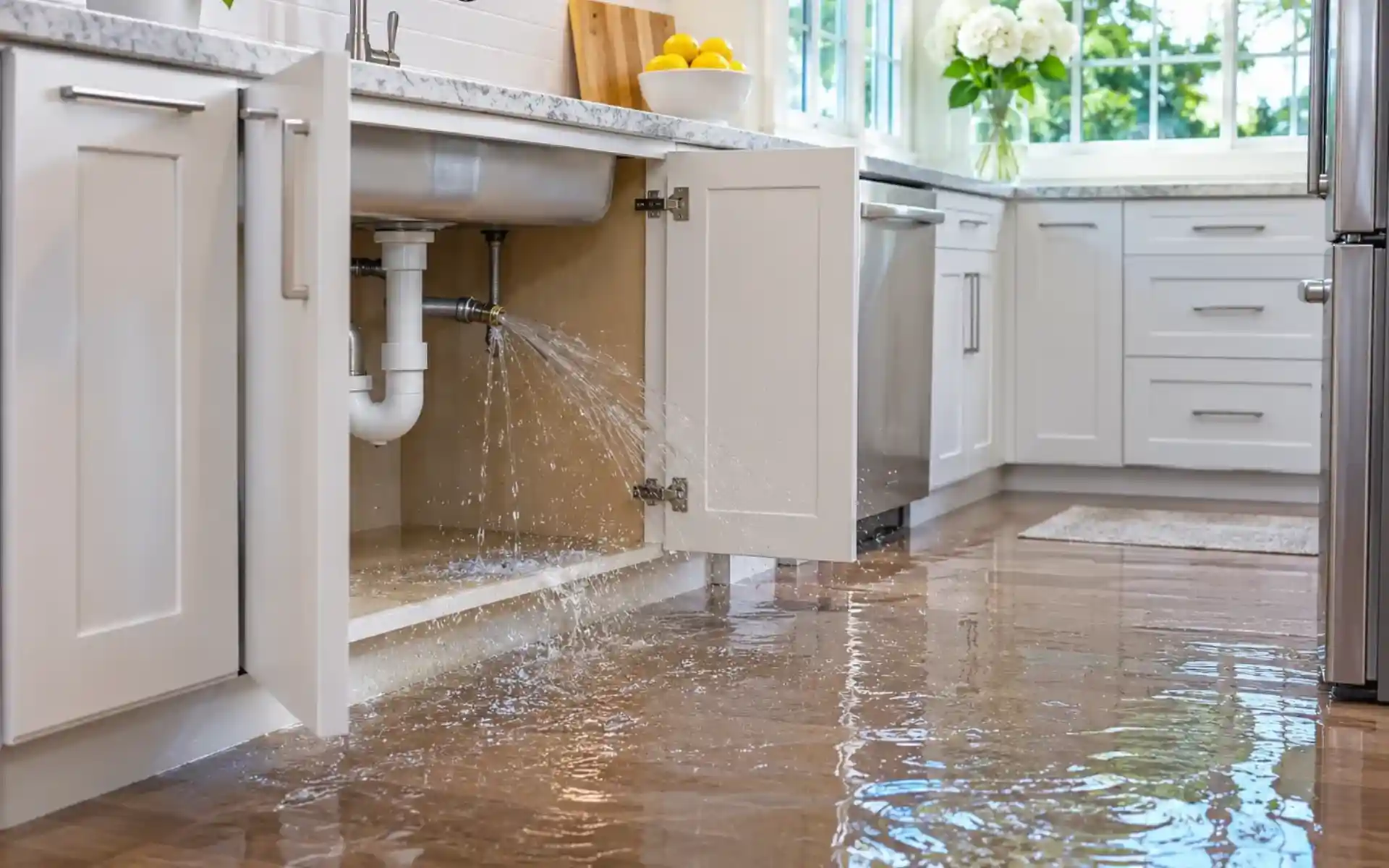
Water damage Category 1 is damage caused by clean water from a sanitary source, such as a supply line, that poses no initial health risk to people or pets. The category is set by contamination at the time of the loss, so it describes where the water came from and how clean it was when it escaped. Clean does not mean permanently clean, though. Standing water that touches floors, dust and building materials can pick up contaminants, and Category 1 water does not remain clean indefinitely. That makes the label a starting point rather than a guarantee, and it explains why speed matters so much in the first hours.
The practical value of Category 1 is that it usually points to the simplest and most affordable kind of recovery. Most affected materials can be thoroughly dried and saved when action is immediate, which keeps repair scope smaller and avoids tearing out finishes unnecessarily. Classification and a fast response work together to shape what gets removed, what gets dried in place and what the job ultimately costs. Understanding the category helps you judge what you can handle yourself, what needs a professional, and how to describe the loss accurately.
What Does Category 1 Water Damage Mean?
Category 1 water damage means the water came from a clean, sanitary source and, at the time of the loss, does not threaten people through skin contact, ingestion or inhalation. Touching it, accidentally swallowing a little, or breathing the air around it should not make anyone ill, which is the defining feature separating this category from the others. That safety applies to the water in its original state, not to whatever it becomes after sitting in a damp building for an extended period. For that reason, restoration crews still treat the early window as the time to act before conditions change.
The water category describes water quality, not how wet your materials are. A small clean leak and a large clean flood are both Category 1, even though one soaks a patch of carpet and the other saturates entire rooms. The amount of moisture absorbed and how hard it is to dry fall under a separate measure called the class of water damage. Keeping the two ideas apart prevents the common assumption that clean water automatically means a minor, cheap or quick job.
Importantly, the category is set by the water source, not by the surfaces the water crossed while traveling. If a supply line bursts upstairs and water runs across floors and down through walls, the origin was still clean, so the loss begins as Category 1. What changes the picture is what the water actually picks up and how long it lingers, which professionals assess as they work. Their findings during restoration can lead to the category being upgraded if contaminants or delays warrant it.
How Does Category 1 Compare With Categories 2 and 3?
Category 1 is clean water, Category 2 is gray water with some contaminants, and Category 3 is black water carrying pathogens from sources such as sewage, feces or floodwater. Each step up represents a higher level of contamination and a greater health concern, which in turn changes protective gear, cleaning methods and what materials can be kept. Category 1 sits at the safest end, with no initial risk to people or pets when they come into contact with it. The other two categories call for more caution because the water itself is not safe to touch or breathe around.
Category 2 gray water can harbor microorganisms and chemical pollutants, unlike Category 1. Dishwasher or washing machine drainage and a toilet overflow containing only urine are typical Category 2 examples, because the water has already been used or exposed to waste. Category 3 black water is the most hazardous, covering sewage with feces as well as river, stream or seawater flooding, including storm surge. Exposure to black water can seriously harm health, so it demands strict containment and often the removal of porous materials.
Rainwater and standing water do not fit one fixed rule. They are not automatically Category 3, and they are not automatically Category 1 either; the classification depends on the conditions surrounding the intrusion. Rain falling through a roof opening might pick up debris and building contaminants, while floodwater from a river is treated as black water by its nature. Because of this, a trained assessment of the specific situation matters more than any shortcut based on the weather alone.
How Are Categories Different From Classes?
Categories describe how contaminated the water is, while classes describe how much water has soaked into materials and how difficult drying will be. A category answers the question of safety, and a class answers the question of saturation, so the two measure entirely different things about the same loss. Category 1 is therefore a statement about cleanliness, not about severity, and a loss can be clean yet still involve a lot of absorbed moisture. Treating one label as if it covered both is the root of a frequent misunderstanding.
Restoration scope and equipment are decided by combining category and class. The category guides protective measures and which materials may stay, while the class guides how many air movers and dehumidifiers are needed and how long drying may take. A common mix-up is assuming that clean water means a light job, which can lead to an underestimated scope or a surprising bill. Asking a contractor to explain both the category and the class helps you compare estimates fairly and understand what you are paying for.
What Are Common Sources of Category 1 Water Damage?
Category 1 water usually comes from clean supply lines and the fixtures they feed, including toilets, sinks, refrigerators, dishwashers, tubs and showers. Broken supply lines, leaking faucets and loose fixture connections are everyday examples, along with burst water heater tanks, which remain Category 1 under IICRC S500 when the water originates from a clean supply line. Tub or sink overflows also qualify when they contain no waste or debris, because the water is still the same sanitary supply that left the tap. Melting ice or snow and rainwater intrusion are often mentioned as well, though conditions affect how rain is ultimately classified.
The source matters because the same appliance can produce different categories depending on which water escapes. A supply line to a dishwasher delivers clean water, but drainage from a dishwasher or washing machine is Category 2 because it has already been used. Likewise, a toilet supply line failure is clean, while a toilet overflow containing only urine is Category 2. Tracing the water to the exact point of origin is the first step in naming the category correctly and planning a sensible response.
Can Category 1 Water Become Category 2 or Dangerous?
Yes, Category 1 water can become Category 2 when it stays standing or contacts contaminants, and it can support mold growth if materials stay wet. Clean water left in place or crossing floor dirt, dust or building materials can degrade into Category 2 gray water, sometimes quickly when contaminants in floors or walls are involved. The change depends on conditions rather than one fixed rule, so there is no single moment when clean water suddenly becomes unsafe. What matters is how long it sat, what it touched and how the materials are holding moisture.
Temperature plays a large role, since warm climates can speed bacterial growth in affected materials. The same loss may stay manageable for longer in a cool house and deteriorate faster in a hot, humid one, which is why timelines vary from home to home. Mold growth is possible within 24 to 72 hours when moisture lingers, which means a clean-water loss can turn into a bigger problem even without any contamination. Prompt extraction and drying interrupt both processes before they take hold.
The category can also be upgraded based on what restorers find during the work. If they open a wall and discover debris, residue or long-standing dampness, they may reclassify the loss and adjust protective measures and materials accordingly. This is a professional judgment about actual conditions, not a penalty, and it protects occupants from handling water that is no longer clean. Early documentation and quick action give the best chance that the original Category 1 status holds.
What Is the 24–48 Hour Rule?
The 24–48 hour rule is a practical guideline to start drying before standing clean water degrades, not an automatic category-change rule. Clean water left undisturbed for 24 to 48 hours can support bacterial growth, and in a warm place such as a Florida home that risk is real. Category 1 water left for 24 to 36 hours in summer may even warrant Category 2 protocols. The point is to treat the window as a deadline for acting, not as a precise cutoff after which everything is ruined.
Several conditions shorten the window, and the quick reference below shows the main ones. Warm temperatures, porous materials and saturation all push a loss toward trouble sooner, so a wet carpet in a hot room has less time than a puddle on a cool tile floor. Standing water that sits undisturbed for long periods is the main concern, since stillness gives bacteria time to multiply. Moving quickly narrows these risks and keeps the original classification more likely to stand.
- Warm conditions shorten the window
- Porous materials absorb and hold water
- Saturation slows drying
- Undisturbed standing water supports bacteria
Saturated drywall, subfloor and insulation deserve special attention because they hold moisture deep inside. These materials need professional drying to prevent mold within 24 to 72 hours, and surface dryness can hide dampness underneath. If you cannot dry them thoroughly within that time, bring in specialists rather than waiting to see what develops. Treat the 24–48 hours as the period in which simple, inexpensive action works best.
How Do You Clean Up Category 1 Water Damage?
Cleaning up Category 1 water damage means stopping the source, removing standing water, and drying the structure quickly to prevent mold and a change in category. The usual sequence is to shut off the water, document the damage, extract standing water with wet-dry vacuums or pumps, and then dry the area with air movers and commercial dehumidifiers. Speed matters at every step, because the goal is to finish drying before the clean water picks up contaminants or materials begin to grow mold. Each action has a clear job, so skipping one weakens the others.
- Shut off the water source.
- Document with photos and timestamps.
- Extract standing water.
- Dry with air movers and dehumidifiers.
Equipment does different work during drying. Air movers increase evaporation by pushing air across wet surfaces, while a commercial dehumidifier removes that moisture from the air so it does not simply resettle in the building. Using both together is what actually brings materials back to a dry condition, since fans alone just circulate humid air. Removing the bulk water first reduces the evaporation load and shortens how long the equipment must run.
What Should You Do First When Clean Water Is Leaking?
Shut off the water at the supply valve or main right away, then record the time of the loss. Stopping the flow limits how much of the building gets wet, and noting when the leak began helps preserve Category 1 status by showing how long the water has been present. A prompt response keeps remediation simpler and cheaper, because the water has less opportunity to spread or pick up contaminants. These first minutes shape nearly everything that follows.
Protect yourself before stepping into the affected area. Rubber boots and gloves are the minimum precaution even for clean water, since floors may hold dirt and you may be near slippery surfaces or electrical concerns. Clean water poses no initial health risk, but wet flooring and what it has touched can change that, so a little protection is sensible. Keep children and pets away until the area is under control.
Document the damage before moving items. Photograph and timestamp everything you see, including affected walls, floors, furniture and the failed pipe or fixture, because this evidence supports an insurance claim later. Moving belongings first can erase proof of where water reached and how far it spread, so take pictures before you begin to clear things. Wide shots and close-ups together give an adjuster a fuller picture.
The most common mistake is delaying documentation or drying. Waiting a day to see whether things dry on their own gives moisture time to soak into materials and gives bacteria and mold time to take hold. Starting extraction and drying quickly keeps the loss clean and the scope small, which usually means lower cost and fewer materials to replace. If the volume is beyond what you can remove, call a professional immediately.
Which Materials Can Be Saved After Category 1 Water Damage?
Most materials exposed to Category 1 water can be saved when drying starts promptly, though how well they recover varies by material. Non-porous and semi-porous materials can often dry in place when moisture is not severely elevated and the timeline is short, which avoids demolition. Carpet and pad should be assessed by a professional before you discard them. Signs that salvage is failing include prolonged saturation, odor and visible mold, and any of these suggests the material may need replacing.
| Material | Salvageability | Key condition |
|---|---|---|
| Drywall | Often | Prompt drying |
| Framing | Often | Short timeline |
| Hardwood | Often | Low moisture |
| Concrete | Yes | Slow release |
Concrete deserves a patient approach, since absorbed moisture can take weeks to release even after the surface feels dry. The table gives a general guide, but the timeline and the amount of moisture involved decide the real outcome for each material. Quick action improves the odds across the board, while delays reduce them. A professional can confirm moisture levels before you close up walls or cover floors.
When Is DIY Cleanup Reasonable and When Do You Need a Professional?
DIY cleanup is reasonable for small, recent leaks, while professionals fit larger or longer-standing losses. Consumer wet vacuums and fans may suffice if the water is addressed within hours and only hard or easily dried surfaces are affected. Call a professional when drywall or subfloor is wet, when a large area is involved, when water has been sitting a long time, or when it has spread across multiple stories. These situations call for stronger extraction and drying equipment.
- Wet drywall or subfloor
- Large affected area
- Water sitting long
- Spread across multiple stories
Three factors guide the decision: the material, how long the water has stood, and your access to equipment. Wet drywall, subfloor and insulation hide moisture, so they usually need meters and commercial drying to avoid mold. If you are unsure, describe what was soaked and how long the water has been there, and a restoration company can advise whether you can manage it. Choosing help early is usually cheaper than repairing mold later.
How Does Category 1 Affect Your Insurance Claim?
Category 1 affects your insurance claim by influencing the scope of work and the estimate, but coverage itself depends on your policy and the cause of the loss. Carriers use the IICRC category to evaluate the scope, so a clean-water classification generally signals a more limited job than gray or black water. The adjuster and your policy language determine what is covered, not the category alone. Understanding this keeps you from assuming that a clean-water label guarantees or rules out payment.
Documentation and timing protect you if a classification is disputed. Photos, timestamps and a record of when the loss occurred show the water began clean and how quickly you responded. Delayed reporting or slow response can shift damage into a higher-cost, higher-dispute category, since the water may have degraded and more materials may need replacement. Reporting promptly and keeping thorough records give you the strongest footing.