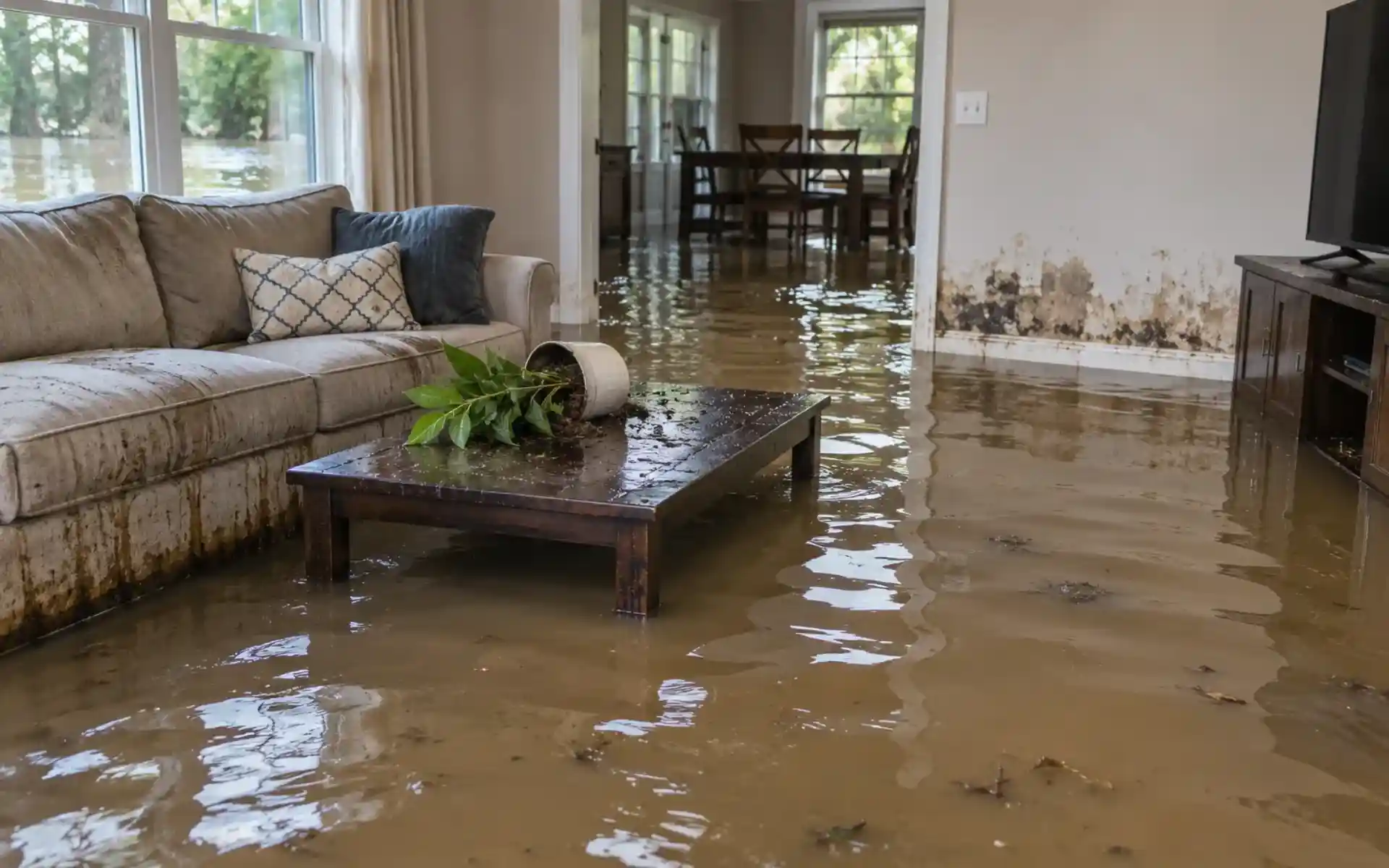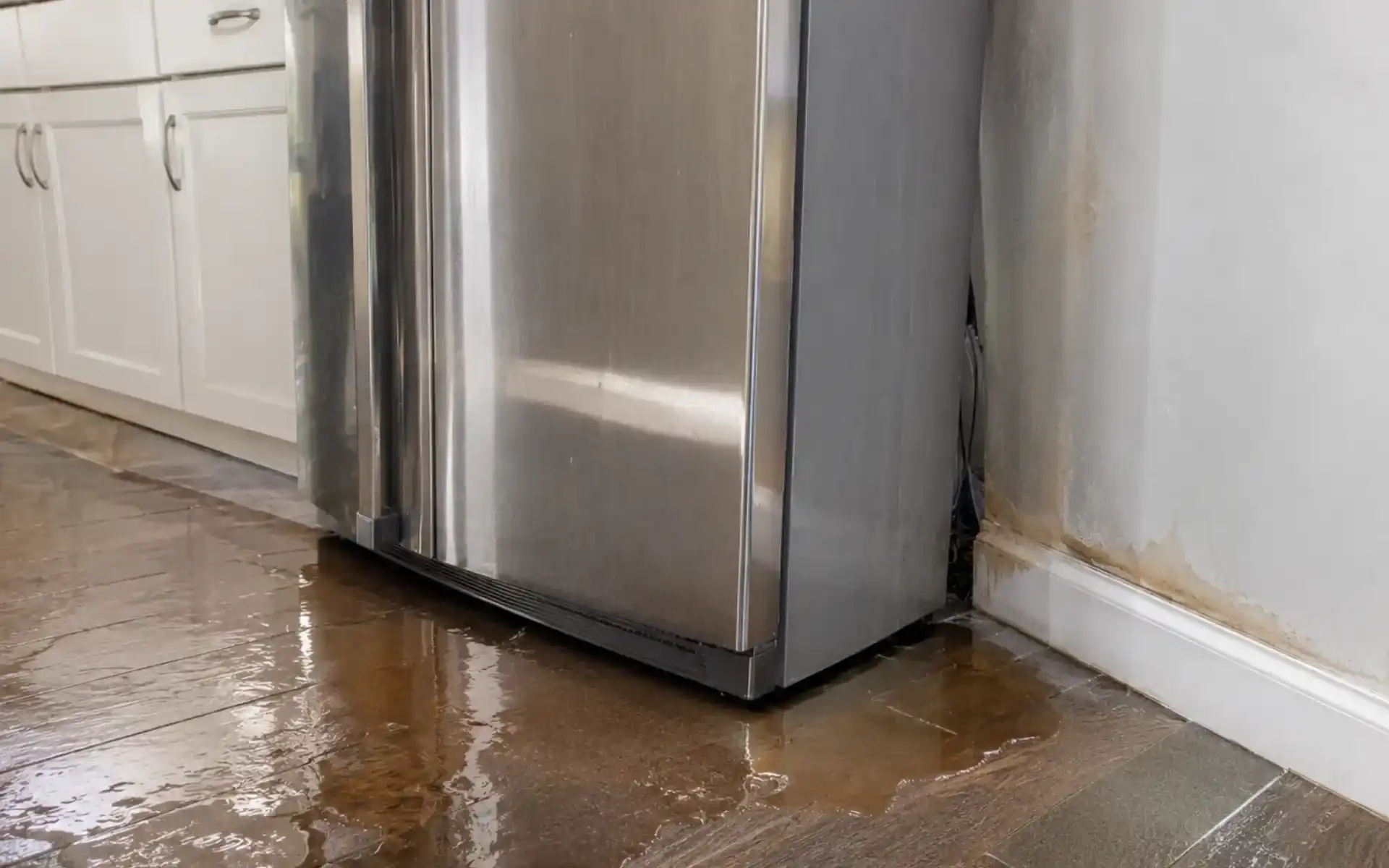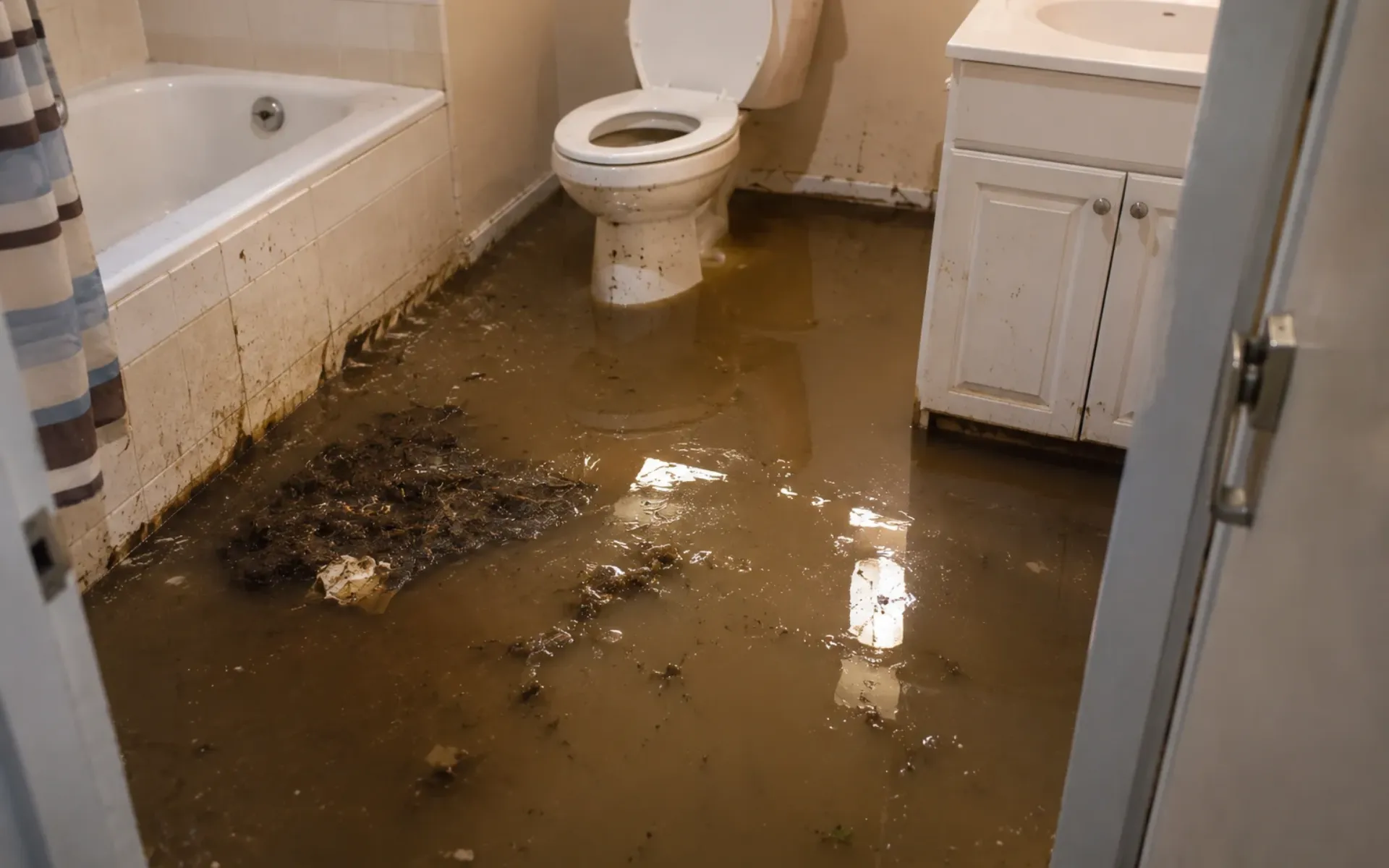
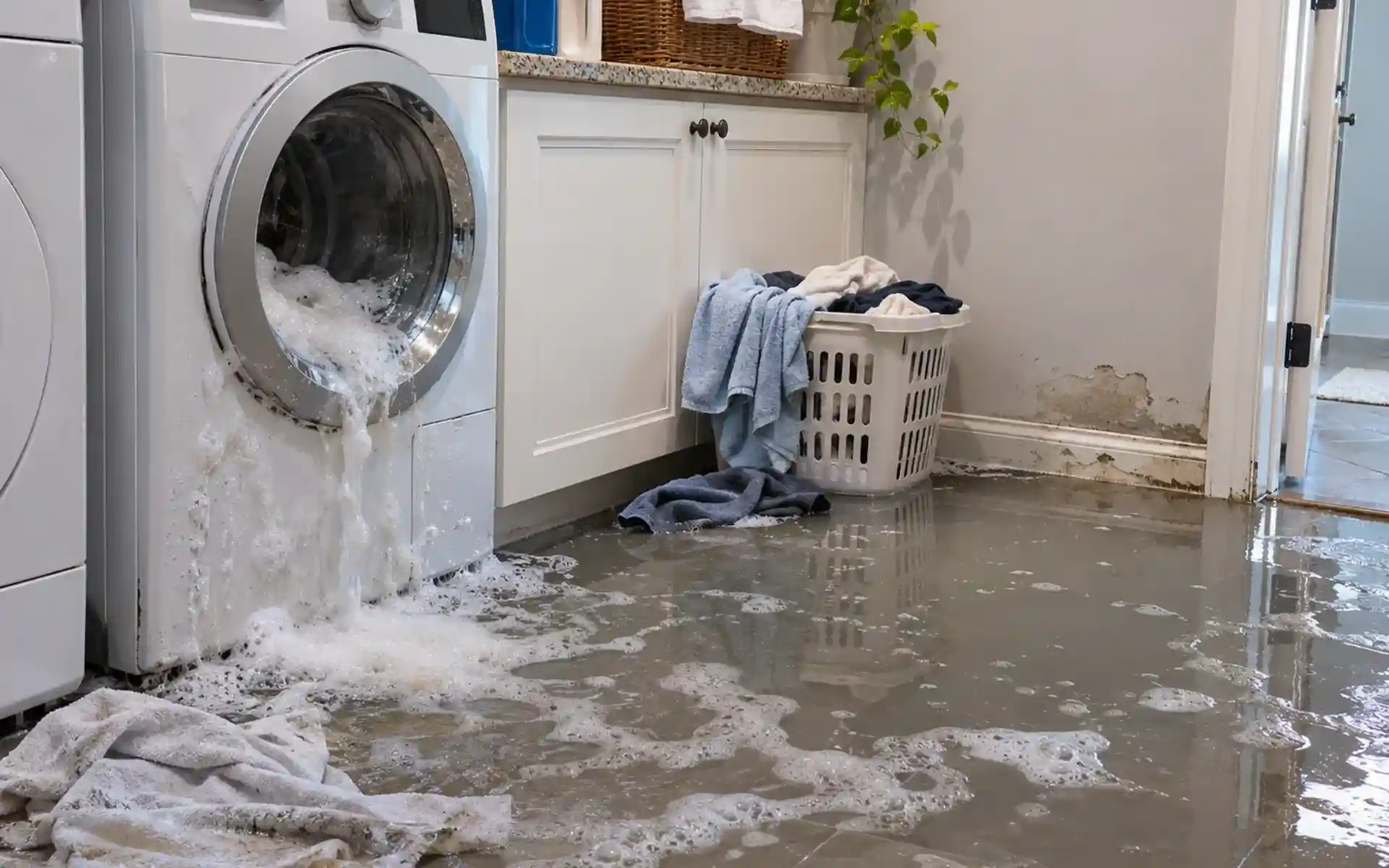
Category 2 water damage is harm caused by gray water, which carries significant chemical, biological or physical contamination. It can cause discomfort or sickness if people touch it or swallow it, so it sits in a middle tier between clean supply water and raw sewage. Typical examples include washing machine discharge or a leaking dishwasher, which look harmless but still leave behind contaminants. That contamination changes how the cleanup must be done, even when the water appears fairly clear.
In practical terms, this category means cleanup is not a simple mop-and-fan job. Handlers need protective equipment, some absorbent materials usually have to be removed, and the surfaces that remain need cleaning and disinfection. Treating the water as harmless can leave bacteria and other contaminants trapped inside carpet, padding or drywall, where they continue to affect the indoor environment long after the visible moisture is gone.
The category also matters because it is not fixed. Clean water that sits too long can degrade into Category 2, and gray water that is left untreated can worsen into Category 3. Speed, correct identification of the source and proper handling of porous materials therefore shape the outcome. Understanding the category helps you judge risks, know what professionals will likely do and make better decisions in the first hours.
What Does Category 2 Water Damage Mean?
Category 2 water damage means damage from water that contains potentially unsafe microorganisms, or nutrients that let microorganisms grow, along with organic or inorganic matter. Gray water is the common name for it. The matter in it may be chemical or biological, which is why the water is considered significantly contaminated rather than sanitary. It is not as hazardous as sewage, but it is far from clean, and the classification exists to signal that distinction clearly.
The key feature of this water is its elevated load of bacteria, fungi and organic or inorganic material. Those components can make people ill through contact or accidental ingestion, and they also feed further microbial growth once the water soaks into the building. That is why the definition focuses on what the water carries rather than only on where it came from. A leak that looks minor can still require serious cleanup if the water is gray.
How Does Category 2 Differ From Category 1 and Category 3?
Category 1 is clean, sanitary water, Category 2 is significantly contaminated gray water, and Category 3 is grossly unsanitary water containing pathogenic agents. Category 3 typically comes from sewage, floodwater or other heavily contaminated sources, including toilet overflows containing feces. The categories therefore describe a scale of contamination, and each step up brings greater health risk and a more demanding cleanup. Category 2 sits in the middle, where the water is harmful but not grossly unsanitary.
Misclassification has real consequences, especially when Category 2 water is treated as Category 1. If crews use a clean-water approach, such as simply drying carpet or drywall, contamination stays inside the materials. Occupants then live with absorbed bacteria and organic matter, and moisture left behind can feed continued microbial growth. Getting the label right at the start determines which materials are removed and how surfaces are treated.
The reverse mistake also happens, because Category 1 water can be mislabeled as Category 2 after contact with building materials. Clean supply water that crosses dirty surfaces or soaks into materials may pick up contaminants and change category. This is one reason professionals assess the source, the path the water traveled and how long it has been present, rather than assigning a category from appearance alone.
What Causes Category 2 Water Damage?
Category 2 water damage is typically caused by appliance discharges, toilet overflows containing urine but no feces, sump pump failures, hydrostatic pressure seepage, broken aquariums and punctured water beds. These sources share one trait: the water carries contaminants that make it unsafe to touch or swallow, even though it is not sewage. Knowing the source is one of the most useful pieces of information for anyone assessing a loss, because it guides the category decision and the cleanup plan.
Most of these events happen in ordinary household circumstances. A washing machine hose lets go, a dishwasher floods the kitchen, or a sump pump stops working during heavy groundwater pressure. None of them feels dramatic at first, which is exactly why people underestimate them and reach for towels and fans instead of protective gear. The contamination is not always visible, so the water’s origin matters more than its color.
The next sections group these sources into practical clusters. Some involve water that passed through appliances or toilets, others involve groundwater or stored water in household items, and one involves clean water that changes category because it sits too long. Recognizing which group applies helps you describe the problem accurately to a restoration professional or insurer.
Appliance Discharges and Toilet Overflows
Washing machine and dishwasher overflows, and toilet overflows with urine but no feces, are common Category 2 sources. Appliance water carries detergent residue, soil and organic matter from the items being washed, so it is no longer sanitary. A leaking or overflowing washing machine can spread this water across laundry rooms and into adjoining carpet or flooring. A dishwasher discharge does the same in kitchens, often reaching cabinets and subfloors.
Toilet overflows need more care in classification. Water from the bowl on the room side of the trap that contains urine but no feces counts as Category 2. The trap is the curved section that holds water to block sewer gases, and bowl water sits on the clean side of it. That distinction matters because it separates a relatively contained bowl overflow from a sewage-related event, though anyone assessing it must be confident that no fecal matter is present.
Once feces are involved, the classification changes. A toilet overflow containing feces is a Category 3 source, and it requires the more demanding handling that grossly contaminated water calls for. If you cannot say with confidence what the toilet water contained, it is safer to treat it as the higher category and let a trained professional decide, since the cost of undertreating contamination falls on occupants’ health.
Appliance and toilet events also tend to spread quickly across floors, which increases the number of materials exposed. Carpet, padding, baseboards and lower drywall all absorb water from a spreading overflow within minutes. The wider the contact, the larger the contaminated area, and the more removal and disinfection the job requires. Shutting off the supply and stopping the water early limits that spread and the eventual scope of work.
Sump Pump Failures, Hydrostatic Seepage, Aquariums and Water Beds
Sump pump failures and hydrostatic pressure seepage through foundations, along with broken aquariums and punctured water beds, are also Category 2 sources. When a sump pump stops, groundwater can rise and enter a basement, while hydrostatic pressure can force water through foundation walls and floors. That water picks up soil, organic matter and microorganisms on its way in, which is why it is not treated as clean. Basements are the usual location, and they often hold carpet, storage and framing.
Aquariums and water beds are less obvious examples, yet they follow the same logic. A broken aquarium releases tank water full of organic waste, and a punctured water bed releases water that has sat in a vinyl bladder, often with additives. Both can soak a floor surprisingly quickly, and neither should be handled like fresh supply water. The volume may be modest, but the contamination still calls for proper protection and cleanup.
Can Clean Water Become Category 2 Water?
Yes, clean Category 1 water can become Category 2 water if it sits stagnant for roughly 24 to 48 hours. During that time bacteria and fungi begin to grow, and the once-sanitary water becomes contaminated. A burst supply line that is not addressed over a weekend is a typical example of how a clean-water loss can turn into a gray-water loss simply through delay.
Warm conditions can speed this up. In Florida, clean water sitting more than 48 hours degrades to Category 2 as microbes colonize it. The practical lesson is that fast response keeps the category lower, which keeps the work smaller and safer. Starting extraction and drying quickly can prevent a simple clean-water job from needing disinfection, material removal and protective equipment that a higher category would require.
What Are the Health and Safety Risks of Category 2 Water?
The main health risks of Category 2 water are gastrointestinal illness and skin irritation from contact or accidental ingestion. The water contains elevated levels of bacteria, fungi and organic or inorganic matter, so exposure can make people sick. Depending on the contaminants present, effects can also include skin infections or respiratory problems, which is why the water should never be treated as harmless simply because it looks clear.
There are two main exposure routes: touching the water and swallowing it. Contact can happen while wading through it, handling wet belongings or cleaning without gloves, and ingestion can happen by touching your mouth afterward or eating without washing. Occupants are exposed through contaminated surfaces and materials, while handlers and technicians are exposed directly during extraction and removal. Children, older adults and people with weakened immune systems are the most vulnerable.
A second, slower risk comes from moisture. Contaminated moisture left inside materials can foster mold, which affects air quality and adds to the health burden. Contamination and dampness therefore work together, and addressing only one of them leaves the other to cause trouble. Prompt removal of water, cleaning of surfaces and thorough drying reduce both risks together.
What Protective Equipment Should Handlers Wear?
Handlers should wear gloves, waterproof boots, eye protection and respiratory protection when working with Category 2 water. Protective equipment is required because the water can make people sick through contact or ingestion. Each item covers a different route: gloves protect hands, boots protect feet and lower legs, eye protection guards against splashes, and respiratory protection reduces inhalation of airborne particles stirred up during removal and cleaning.
- Gloves
- Waterproof boots
- Eye protection
- Respiratory protection
Protective gear matters most during demolition and extraction, when splashing and dust are most likely. Anyone handling the water should avoid eating or touching their face until gloves are removed and hands are washed. Because equipment must suit the job, many homeowners hire trained technicians who already use the right gear, especially when large areas or porous materials are involved.
How Does Category 2 Water Damage Affect Building Materials?
Category 2 water affects building materials according to how absorbent they are, and absorption largely decides what can be salvaged. Porous and semi-porous items like standard carpet, carpet cushion and regular drywall often have to be removed, while non-porous surfaces can usually be cleaned and disinfected. Water seeps into drywall, insulation and wood, which can provide nutrients for bacterial growth. That makes contaminated moisture inside materials more than a cosmetic problem.
Left unaddressed, water damage can harm walls, ceilings, flooring and even the foundation, affecting structural integrity. Moisture inside walls and insulation can also degrade air quality and encourage mold. The longer materials stay wet, the more likely it becomes that removal rather than cleaning is the only option. Professional assessment of each material is more reliable than a blanket rule.
Category 2 Water Damage on Carpet and Carpet Cushion
Carpet and cushion that absorbed gray water are typically removed and discarded, though some can be saved if addressed quickly. Carpets and pads can often be extracted and dried if the problem is handled within 24 hours. After that window, the contamination has had time to settle deep into the padding, and removal becomes the safer path. Padding is especially absorbent and hard to disinfect once it has soaked up contaminated water.
The salvage decision depends on absorption and exposure time, not on a single rule. A professional can judge how far the water traveled, how long it sat and whether the carpet backing and cushion are saturated. Keeping a record of when the water arrived and what carpet is installed helps that assessment. When doubt remains, removal protects occupants better than hoping a contaminated pad dries clean.
Drywall, Insulation and Other Materials
Absorbent drywall, insulation and some padding are removed and replaced after contact with Category 2 water. Drywall that contacted gray water is removed to at least 12 inches above the waterline, and a 2-foot flood cut is standard practice. Insulation and particleboard are also removed and replaced because they soak up contaminants and are difficult to clean. Cutting above the visible line accounts for moisture that wicks upward unseen.
Non-porous surfaces are different. They can be cleaned and disinfected rather than discarded, since contaminants stay on the surface. Hardwood, subfloor and framing need individual assessment, because their absorption varies with species, finish and exposure time. Framing can often be cleaned and dried, while saturated flooring may need replacement. The goal is to keep what can truly be decontaminated and remove what cannot.
How Does Category 2 Water Become Category 3?
Category 2 water can become Category 3 in less than 48 hours if it is left untreated or unextracted. Microbial growth continues as the water sits, and contact with building materials, systems and contents contributes to its deterioration. The water becomes grossly unsanitary, with pathogenic agents, and the job moves into a more hazardous class. The difference is not just a label but a heavier scope of removal and treatment.
Warning signs include a developing odor, discoloration, slime on surfaces and moisture that spreads beyond the original area. Any of these suggests that conditions are worsening and that the water has stayed too long. Acting quickly is the best protection, because immediate extraction and drying prevent category escalation. Waiting for the right moment rarely helps; every additional hour gives microbes more time to grow.
How Is Category 2 Water Damage Restored?
Category 2 water damage is restored by extracting water and removing affected materials, cleaning, disinfecting and drying, following ANSI/IICRC S500 and S520 principles. Those standards describe how to decontaminate Category 2 losses. The process is much closer to Category 3 restoration than to Category 1, so careful handling and professional help are often needed. The order matters, because each stage prepares for the next. Skipping or reversing steps can leave contamination behind.
- Extract water and remove porous materials
- Clean surfaces
- Disinfect
- Dry and verify
Restoration generally follows this sequence, covered in detail in the sections below. Crews contain the area, protect themselves, and then work through each stage, verifying results before rebuilding. Because the process depends on the materials involved, the water source and the time elapsed, scope varies from job to job. A professional assessment sets the plan and prevents unnecessary removal or missed contamination.
Removing Porous Materials and Extracting Water
Restoration begins by removing standing water immediately with pumps, wet vacuums or extraction equipment, then discarding porous materials such as carpet, cushion and regular drywall. Starting extraction and drying right away is the best way to prevent the water from escalating to a higher category. Every hour of delay gives microorganisms more time to grow and more opportunity to soak into materials. Speed at this stage shapes everything that follows.
Porous and semi-porous items that absorbed gray water often need to be removed and discarded because they cannot be reliably decontaminated. Carpet, padding and regular drywall hold contaminants deep inside, and surface treatment does not reach them. Insulation, particleboard and some padding are removed and replaced too. Removing them now also exposes hidden moisture and makes later cleaning and drying more effective.
Containment and safe disposal prevent the work from spreading contamination. Materials should be removed carefully, bagged or wrapped as appropriate, and carried out without dragging them through clean areas. Technicians wear protective equipment throughout, since cutting and lifting wet materials can splash or disturb contaminants. Careful removal protects both the workers and the rooms that were not affected.
Extraction should go beyond visible puddles. Water often sits beneath flooring, behind baseboards and inside wall cavities, so equipment must reach these areas for the drying phase to succeed. Leaving pockets of water behind invites odors, microbial growth and the possibility that the loss worsens. Thorough early removal reduces the amount of drying and decontamination required later.
Cleaning and Disinfecting Affected Surfaces
Affected surfaces are washed with soap and water and then treated with a disinfectant, often applied twice with proper extraction and rinsing. Cleaning comes first because dirt and organic matter shield microbes and reduce disinfectant effectiveness. Structural materials and contents that remain should be washed before any further treatment. Skipping the wash step leaves films that weaken the antimicrobial’s contact with the surface.
Category 2 jobs call for enhanced antimicrobial treatment on all exposed surfaces. The assessment identifies which surfaces need treatment, such as framing, subfloor and non-porous finishes. Disinfectant must be applied evenly and left in contact long enough to work, following product directions. Treating only the most visibly dirty spots can miss contaminated areas that look clean.
Extraction and rinsing after disinfecting remove loosened soil and leftover chemicals. A second application, where used, addresses areas the first pass may have missed. Ventilation and protective equipment remain important during this stage, as chemical products can irritate skin and lungs. Once surfaces are clean, the structure moves on to drying.
Drying the Structure
Drying uses industrial air movers and dehumidifiers to dry the structure, following industry standards such as ANSI/IICRC S500. Wet materials left in place keep feeding microbial growth, so drying is as important as cleaning. Equipment is positioned to move air across surfaces and pull moisture from the air. Proper drying also lowers the risk of mold and long-term damage.
Hidden moisture is the main challenge. Moisture meters, thermal imaging and industrial equipment help detect water inside walls, under floors and in ceiling cavities where it cannot be seen. Readings guide where equipment goes and show whether drying is progressing. Without measurement, a structure can feel dry on the surface while moisture remains inside.
Monitoring continues until the dry standard is met and mold risk is reduced. Technicians take repeat readings over the course of the job and adjust equipment as areas dry. Ending too early is a common cause of recurring odors and mold. The goal is dry materials, not just a dry-looking room.
Verification comes before reconstruction. ATP or other biological testing confirms that decontamination worked, giving a measurable check on cleanliness rather than relying on appearance alone. If results show remaining contamination, the area is treated again before new materials go in. Rebuilding over unverified surfaces risks sealing contamination inside the new construction.
What Should You Do Right Now If You Have Category 2 Water Damage?
Treat the water as contaminated, not clean: avoid contact, keep vulnerable people out and begin getting the water removed. Treating contaminated water as clean creates serious health risks, and delaying extraction or removal allows the loss to escalate. Avoid DIY steps that spread contaminants, such as dragging wet items through clean rooms. Evacuate the affected area immediately, especially children, older adults and immunocompromised people.
- Evacuate vulnerable occupants
- Stop the source if safe
- Note source and duration
- Record affected materials
- Call a professional
Gather information that helps a professional assess the loss. Identify the water source and how long the water has been present, and note the flooring and wall materials affected. Photographs can help with the assessment and any later claim. With these facts, a restoration professional can determine the category and plan the response.
Does Insurance Cover Category 2 Water Damage and Does It Affect Cost?
Category 2 raises cost because the scope grows: more removal, disinfection, protective equipment and labor are needed. Antimicrobial treatment, disposal of porous materials and a broader restoration scope all increase the total compared with a clean-water loss. Faster response can keep a loss at a lower category and a smaller scope. Documenting the source and timing supports an accurate estimate.
Insurance coverage depends on your policy terms and whether the cause was sudden or gradual. Most policies cover sudden accidental damage but exclude flood damage, so the source of the water matters. A sudden appliance failure may be treated differently from long-term seepage or groundwater. Confirm coverage with your insurer promptly, and keep records of the source, timing and affected materials.