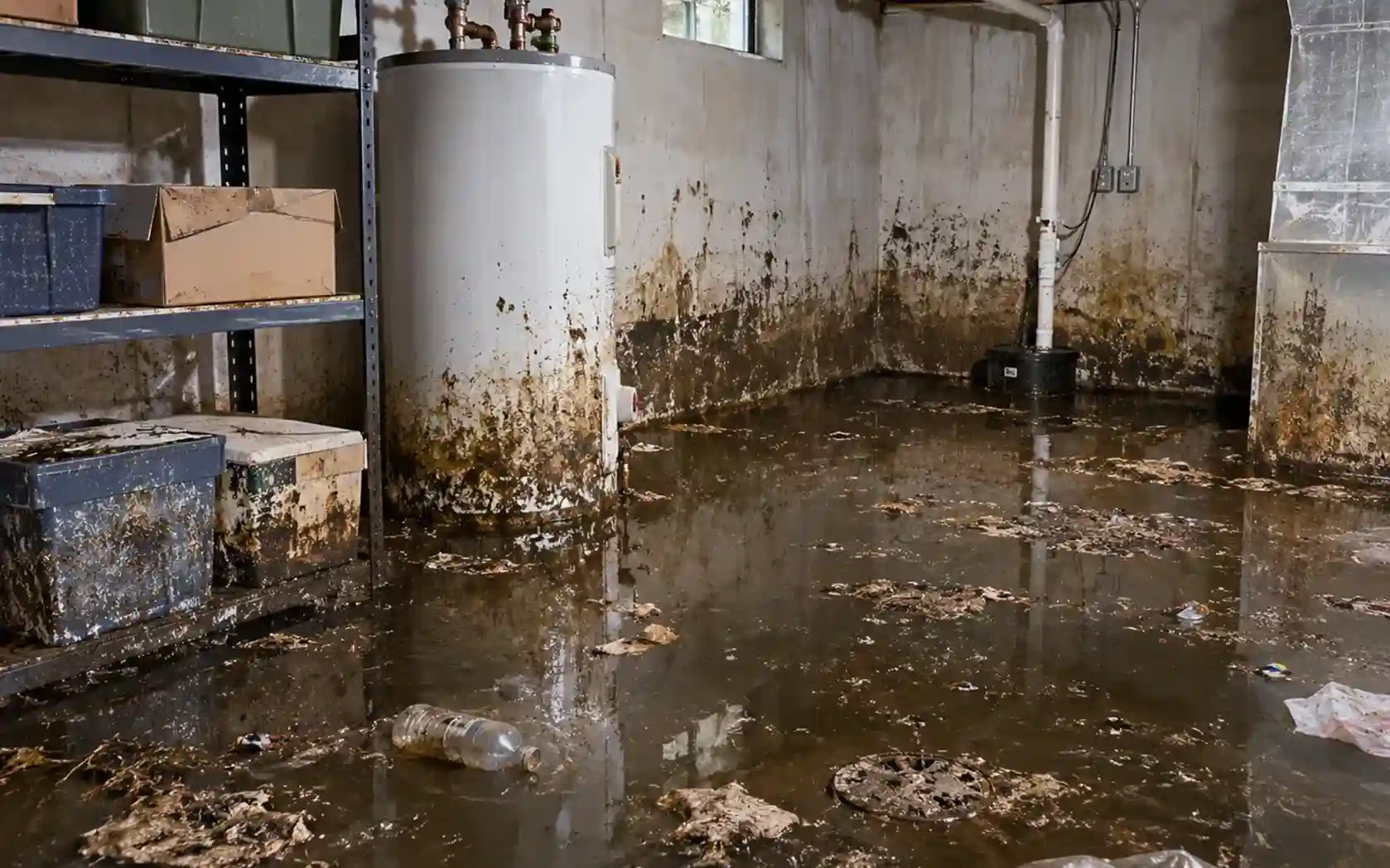
Category 3 water damage is harm caused by black water, the IICRC’s classification for grossly unsanitary water that carries pathogens, parasites, viruses and chemical contaminants. It is the most serious contamination level a water loss can reach, and it can cause severe illness or death if swallowed. The danger is not limited to drinking it, since contact with open skin and inhaling aerosolized droplets also carry real risk. Cleanup is work for trained, certified restoration professionals, not for a homeowner with a mop and household disinfectant.
Understanding the category helps you act correctly in the first hours, when choices about contact, power and ventilation matter most. The sections below cover where black water comes from, how it differs from cleaner categories, what it does to people and buildings, and how it is identified. They also address professional remediation, which materials are discarded, how insurance treats these losses, and ways to reduce the chance of a sewage or flood event. Throughout, the guiding principle is simple: when you are unsure about the water, treat it as Category 3.
What Is Category 3 Water Damage?
Category 3 water damage is damage from black water, the most severe water category in IICRC standards, defined as grossly contaminated and unsanitary. Typical contaminants include bacteria such as E. coli, viruses, parasites and chemical contaminants, which together give the water a high biohazard level. On the classification scale, Category 1 is the cleanest and Category 3 carries the most serious contamination, so it demands the strictest safety measures. Materials touched by it are handled as hazardous, and the work area is treated as contaminated until professionals verify otherwise.
Contamination category should not be confused with drying class, which is a separate measurement. Class describes how quickly water will evaporate and how much humidity load the affected materials and space will produce, which guides drying equipment decisions. Class says nothing about how dirty the water is, so a small loss can be Category 3 while a large one is much cleaner. Professionals assign both labels, using category to set safety and removal rules and class to plan the drying effort.
How Does Category 3 Differ From Category 1 and Category 2 Water?
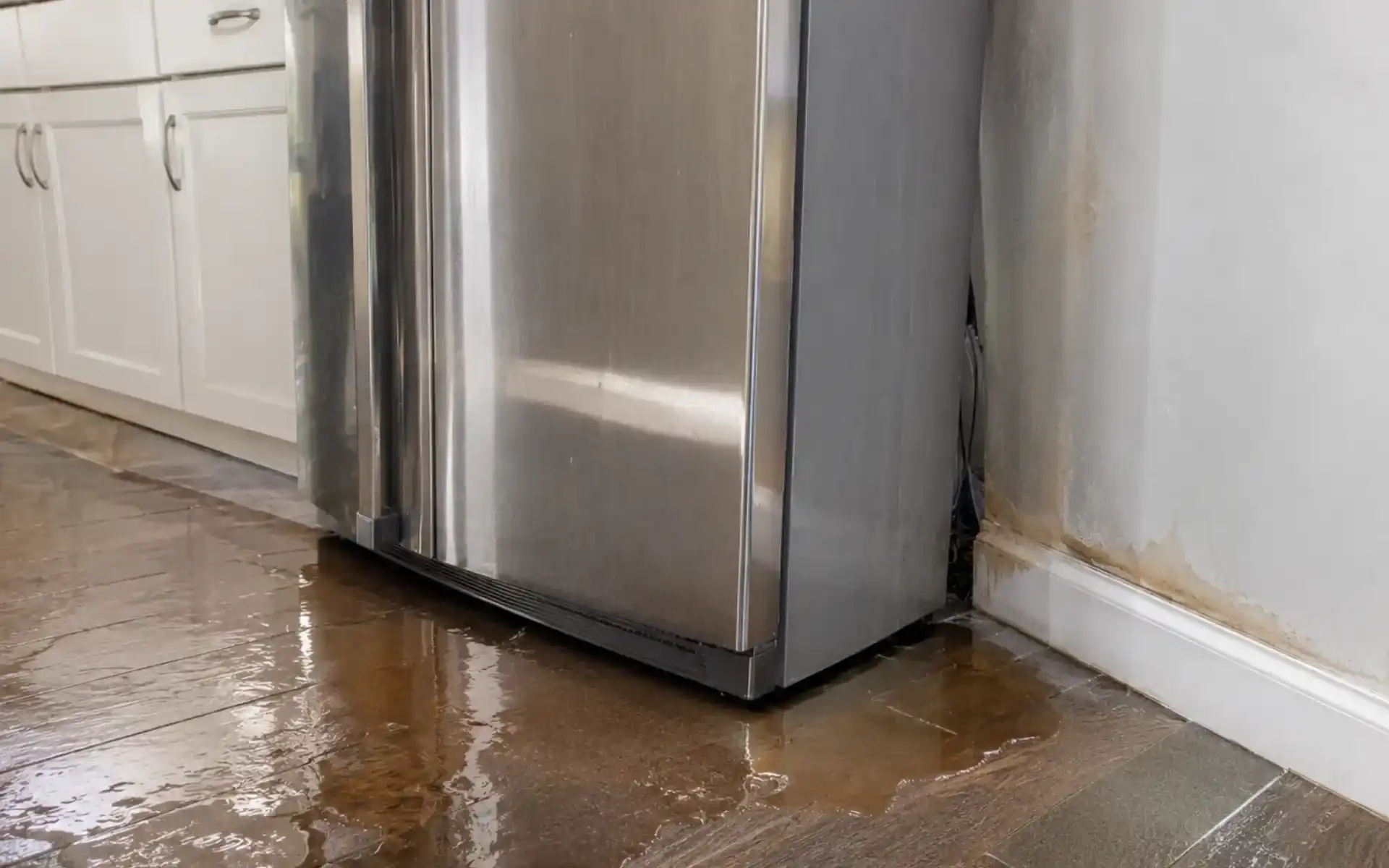
Category 3 differs from Category 1 and 2 mainly in contamination level: Category 1 is the cleanest, Category 2 is significantly contaminated, and Category 3 is grossly contaminated. Category 2, often called gray water, typically comes from appliance overflows such as washing machines and dishwashers and may hold chemical, biological or physical contaminants.
Category 3 includes sewage, toilet overflows containing feces, and flooding from rivers or streams. The table summarizes how the three categories compare, using the typical sources described in restoration standards.CategoryContaminationTypical source 1CleanestClean supply 2SignificantAppliance overflow 3GrossSewage, flood A common misconception is that category and class measure the same thing, when category reflects contamination and class reflects evaporation load.
A dishwasher overflow might be Category 2 whether it soaks one room or three, because the water’s contamination is what defines the category. The practical gap between Categories 2 and 3 is large, since gray water may be cleaned with controlled methods while black water brings strict biohazard protocols. Knowing which category applies determines protective gear, which materials come out, and how much the cleanup will involve.
What Causes Category 3 Water Damage?
Category 3 water damage is caused by sewage backups, septic failures, toilet overflows containing feces, outdoor floodwater, and standing water that has supported microbial growth. What these sources share is contact with waste, soil or prolonged stagnation, any of which can load water with harmful organisms. Water that comes from outside the home and touches soil or sewage is treated as Category 3, regardless of how it looks at first glance. The causes fall into a few families, covered below, and each one points to different prevention steps later in the article.
Stagnant water deserves particular attention because it can turn a seemingly minor leak into a black water problem. When water sits long enough to develop microbial growth, it is no longer judged by where it started but by what it has become. This is why restoration crews ask how long water has been present, not only where it came from. A forgotten wet area under a floor or inside a wall can therefore reach Category 3 without any sewage or flood involved.
Sewage Backups, Septic Failures and Toilet Overflows
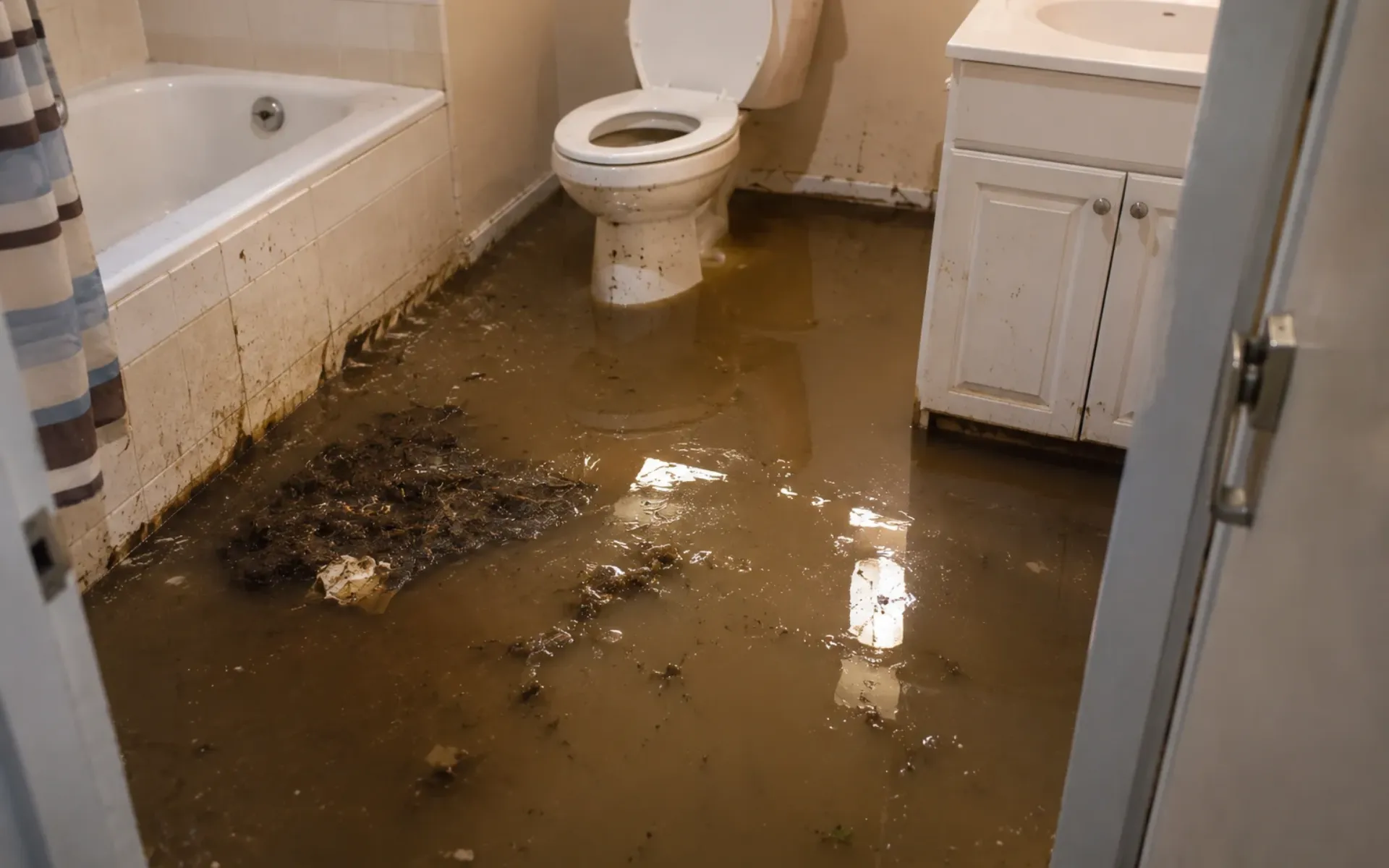
A sewage backup or toilet overflow that originates past the toilet trap is Category 3, regardless of the water’s color or visible contents. Water that arrives from the drain side of the plumbing has passed through waste lines, so it should be assumed to carry fecal contamination. Septic system failures work the same way, pushing wastewater back into the house or onto surrounding ground and floors. Clear-looking water in a bathroom can therefore still be black water if its path ran through the waste line.
Not every toilet overflow is Category 3, because the source matters more than the toilet itself. Water that spills from a clean tank has not passed the trap and is not treated as black water. An overflow carrying feces from the bowl or beyond the trap is classified as Category 3 and needs full biohazard handling. If you cannot tell which kind of overflow occurred, assume the more hazardous one until a professional assesses it.
Floodwater, Storm Surge and Rising Rivers
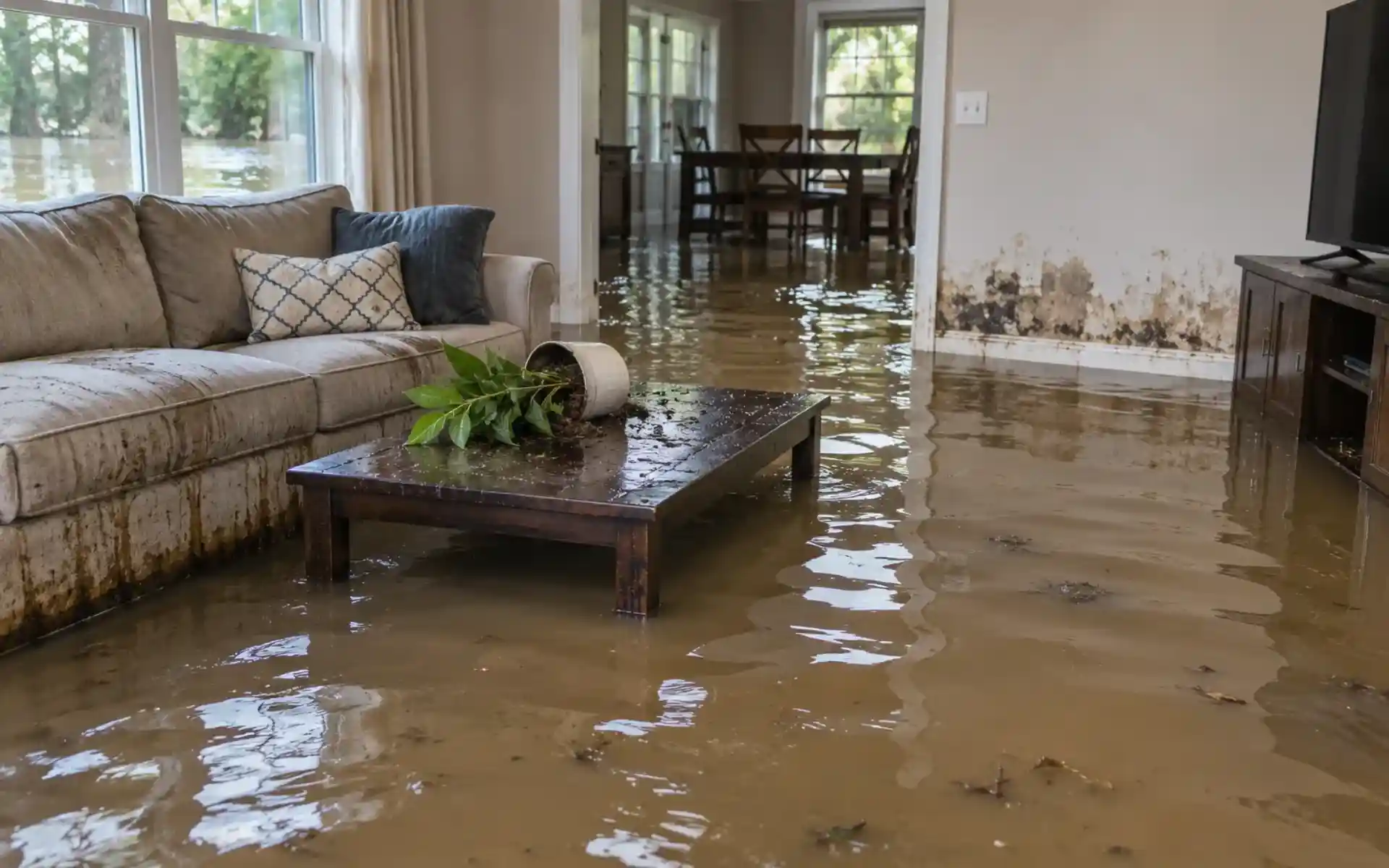
Floodwater from rivers, streams, hurricanes and storm surge is treated as Category 3 because it picks up contaminants as it travels across the ground. Along the way it can mix with sewage, animal waste, soil, debris and runoff, and nobody inside the home can know exactly what it contains. Groundwater infiltration into basements and crawl spaces falls under the same cautious approach when it arrives from outside. That uncertainty is the reason restoration standards err on the side of safety.
Even rainwater can become contaminated once it contacts soil or debris, which surprises many homeowners. Rain falling through a clean roof opening is one situation, but rain that runs across the yard and seeps in is another. Floodwater can also carry pesticides, fuel residue, animal waste and industrial runoff, which adds chemical hazards to biological ones. For these reasons, all floodwater is handled as Category 3.
Clear water does not mean safe water. Floodwater that looks clean is still treated as Category 3 because its contents cannot be known by sight or smell. Treating it casually, by wading in or running household equipment, exposes people to unknown pathogens and chemicals. Stay out until the structure has been assessed and electrical risks have been addressed.
Can Category 1 or 2 Water Turn Into Category 3?
Yes, lower-category water can become Category 3 if it is left untreated. Category 1 water left for about 24 to 48 hours can degrade into Category 2, as microbes and contaminants build up. Category 2 water can then progress to Category 3 in under 48 hours. Time is the main driver, which makes early response one of the most valuable things you can do.
Speed is not the only variable in this progression. Temperature matters, since warm conditions favor microbial growth and can shorten the timeline. Contact with contaminated materials matters too, because water moving through soiled carpet, dirty surfaces or building materials picks up contamination. Because these factors combine, no single number guarantees how fast a particular loss will worsen.
This escalation changes the nature of the job. A clean supply line leak that might have been dried with standard methods can end up needing removal of affected materials and biohazard protocols. The scope widens, more materials are lost, and the work becomes more involved. Delay therefore increases both the damage and the eventual restoration costs.
The practical lesson is to call a restoration professional promptly, even for water that looks like a minor problem. Stop the source if you can do so safely, and keep people and pets out of wet areas. Prompt extraction and drying can keep Category 1 or 2 water from advancing. If water has already sat for days, treat it as Category 3 and let professionals confirm the classification.
What Are the Health and Structural Risks of Black Water?
Black water is dangerous to health and to the building: it can cause severe illness or death if ingested, absorbed through open skin or aerosolized. Exposure can lead to skin infections, respiratory illness and gastrointestinal problems, depending on what the water carries and how someone is exposed. Its high biohazard level comes from toxic pathogens and chemicals that persist on surfaces and in wet materials. That is why the safest response is to avoid contact entirely.
Electrical hazards add another layer. Water near outlets, appliances or panels can create shock risk, particularly when floors are wet and you cannot see what is submerged. If damage is near electrical components, power should be shut off only from a safe location, never by stepping into water. Wet conditions and contaminated air can make a flooded space unsafe even for brief visits.
Structural problems follow when saturated materials stay wet. Drywall, insulation and wood can hold contaminated water and gradually lose strength or integrity. Lingering moisture also encourages mold, which compounds the air quality problems already caused by contamination. Prompt professional action limits how deeply the hazard sinks into the structure.
Pathogens and Chemical Contaminants Involved
Black water can contain bacteria such as E. coli and Salmonella, viruses, parasites and fungi, along with chemical contaminants. These organisms are common in sewage and flood conditions, and they can cause gastrointestinal, skin and respiratory problems. Which ones are present depends on the source, since a toilet backup and a river flood bring different mixes. Because the mix cannot be identified by looking at the water, all of it is handled as hazardous.
Chemical contaminants matter most in floodwater. Floodwater can carry pesticides, fuel residue, animal waste and industrial runoff, collected from yards, roads, garages and storage areas. These substances may irritate skin and lungs or linger in materials after the visible water is gone. Biological and chemical hazards together are why household cleaning does not adequately address the problem.
There are three main routes of exposure: skin contact, inhalation and accidental ingestion. Open cuts and scrapes provide a path into the body, while droplets and contaminated dust can be breathed in. Hand-to-mouth transfer is easy to overlook, since touching a wet surface and then eating or touching your face can introduce pathogens. This is why even brief casual contact with the water is discouraged.
Vulnerability varies from person to person, and no one can promise how an individual will react to exposure. Young children, older adults and people with weakened immune systems or existing respiratory conditions are generally more at risk from contaminated environments. Anyone who has had contact with black water and feels ill should seek medical advice rather than waiting. The safest approach for everyone is to stay out of affected areas.
How Contamination Spreads Through a Building
Contamination spreads through a building by air, by foot traffic and by absorption into porous materials. Household fans and shop vacuums can aerosolize pathogens and spread mold spores into clean rooms and ductwork, which is why they should not be used. Shoes and clothing track contaminated water from room to room, extending the affected area without any visible sign. Pets and equipment can carry it as well.
Porous materials make the spread harder to stop. Drywall, insulation and wood act like a sponge, trapping contaminated water inside walls and floors where cleaning cannot reach. That hidden moisture can degrade air quality, support mold growth and weaken structural components over time. Containment and prompt removal of affected materials keep a localized loss from becoming a whole-house problem.
How Can You Tell if Water Damage Is Category 3?
A trained restoration professional determines the category using the IICRC standard, and homeowners should not rely on appearance or smell to decide. Water from a sewer backup, a toilet overflow with feces, natural flooding, or water that has been sitting more than 48 hours is likely Category 3.
These indicators give you a reasonable starting point while you wait for an assessment. Clear water can still qualify, so source and history matter more than looks.Sewer backup Feces toilet overflow Natural flooding Standing water over 48 hours When you are uncertain, treat the water as Category 3.
Misclassifying black water as something milder can lead to contact, improper equipment use and inadequate material removal. The result can be lingering contamination, mold and health problems that appear after the work seems finished. Overestimating the hazard costs far less than underestimating it, and a professional can adjust the classification after inspection.
What Should You Do Immediately and What Should You Avoid?
Immediately evacuate, avoid contact with the water, and shut off power and water only if you can do so without stepping into it. If damage is near outlets or the electrical panel, cut power from a safe location, or have the utility or an electrician help. Do not use household fans or shop vacuums, since they can spread airborne pathogens, and do not start cleaning on your own. Then call a certified restoration professional.Evacuate people and pets. Avoid the water. Shut off utilities safely. Call professionals.
The order of these steps reflects risk. People come first, because contact and inhalation are the main health threats, and electrical hazards come next. Stopping the water supply helps limit further damage only when the shutoff is reachable without wading through contaminated areas. Avoiding well-meaning cleanup attempts matters just as much, since moving and agitating the water can widen contamination.
Why Category 3 Cleanup Is Not a DIY Job
Category 3 cleanup is not a DIY job because it involves biohazard exposure that requires protective equipment, containment and antimicrobial protocols. Trained, certified technicians use PPE and industrial-strength antimicrobial agents, which are not comparable to products sold for household cleaning. Without containment, scrubbing and moving materials can spread pathogens beyond the original area. The risk is to your health first and to the rest of your home second.
Household cleaners are insufficient because contaminated materials cannot be fully sanitized by them. Black water soaks into porous items, and surface wiping leaves contamination behind inside the material. Bleach or similar products may make a surface look and smell clean without addressing what lies beneath. This false sense of safety can lead to exposure for months afterward.
Many people are tempted to handle a small sewage leak themselves, assuming a small amount means a small risk. In practice, a small leak carries the same biohazard risk as a larger one, because the water is just as contaminated. Size changes how much material is affected, not what the water contains. The same protective steps apply regardless of volume.
Professional teams also bring equipment and training that homeowners generally do not have. They can contain the work area, control air movement, extract water safely and dry structures with commercial equipment. They also know how to dispose of contaminated materials properly and document the work, which can matter for insurance. Hiring a certified team protects both your health and your property.
How Do Professionals Remediate Category 3 Water Damage?
Professionals remediate Category 3 water damage with certified teams using PPE, negative air containment, industrial air movers, commercial dehumidifiers and antimicrobial treatments. Work areas are contained with negative air pressure, which helps prevent cross-contamination into clean parts of the building. The process moves from containment and assessment to extraction, removal, drying and sanitizing, then final verification.
Each stage builds on the previous one, so skipping steps undermines the result.Assess and contain Extract water Remove contaminated materials Dry Sanitize Verify Verification closes the process. ATP or biological testing confirms decontamination before reconstruction begins, giving objective evidence that the space is ready. This step matters because rebuilding over contaminated surfaces can seal hazards into walls and floors. Once testing is satisfactory, repairs and replacement of removed materials can proceed with confidence.
Which Materials Must Be Removed and Which Can Be Saved?
Porous materials such as carpet, pad, drywall, insulation and baseboards are removed and discarded, while hard nonporous surfaces can often be saved. Porous black water losses cannot be safely sanitized, because contamination soaks in beyond the reach of cleaning agents. Carpet, pad and drywall are typically removed to 2 to 4 feet above the waterline.
Concrete, metal and sealed tile can be treated with biocide and kept.MaterialOutcome Carpet, pad, drywall, insulationRemove Concrete, metal, sealed tileTreat The removal height reflects how water wicks upward into porous materials beyond the visible line. Cutting above the waterline helps ensure that contaminated material is not left behind inside walls. Carpet loss is often the most visible consequence for homeowners, since carpet and its pad hold water and are not salvageable. The final scope depends on the inspection findings for the particular loss.
How Does Category 3 Water Damage Affect Insurance Claims?
Category 3 water damage affects insurance claims by influencing the scope of work, restoration costs and the documentation needed. Because black water requires removal of porous materials and biohazard protocols, claims tend to involve more extensive work than cleaner losses. Coverage depends on the cause, so confirm details with your insurer rather than assuming a loss is covered. Policy language and exclusions vary, and the cause of the water is often decisive.
Policy distinctions matter a great deal. Sewer-backup coverage is often a policy endorsement rather than standard homeowners coverage, so many policies need an added provision to respond. Flood damage is typically handled separately, for example through National Flood Insurance or a dedicated flood policy. Review your policy now so you know which cause of loss is covered.
Documentation helps your claim. Before anything is discarded, photograph and record affected areas, materials and belongings, and keep notes on when the problem started. Ask the restoration company for records of the assessment, removal and testing it performs. Contact your insurer promptly, and do not let documentation delay emergency safety steps.
How Can You Prevent Category 3 Water Damage?
You can prevent Category 3 water damage by maintaining sewer and septic systems, installing backwater valves, caring for sump pumps and preparing for flood risk. A backwater valve stops sewage from backing into the home, and regular drain care reduces the clogs that cause backups. Septic systems need routine attention so failures do not push wastewater into the house.
These steps target the most common causes covered earlier.Install backwater valves Test sump pump regularly Add battery backup Clean drains and gutters Sump pumps deserve special attention. Test the pump regularly and install battery backup so it keeps working during a power outage, which often coincides with storms. Keeping gutters and drains clear helps direct water away from the foundation and lowers the chance of groundwater entering.
If you live in a flood-prone area, plan ahead for how you would protect belongings and utilities. Everyday inspection also helps stop small problems before they escalate. Check toilet supply lines, appliance hoses and plumbing for leaks, and respond early to any water you find. Prompt drying matters because clean water that lingers can degrade into contaminated water. Together, maintenance, equipment and quick action greatly reduce the chance of a black water event.