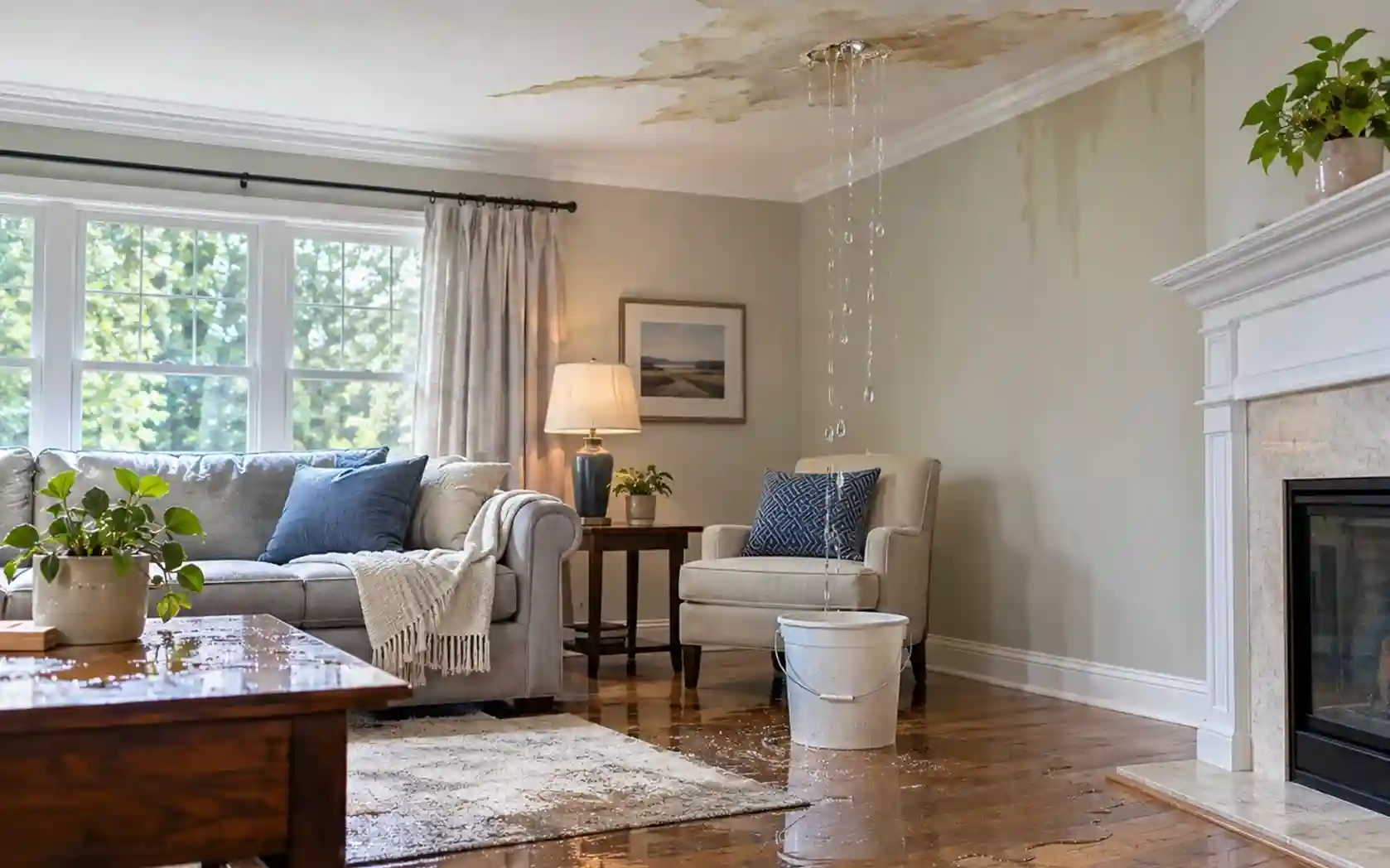
Water damage categories are a three-level ranking of how contaminated floodwater or leaked water is, and they tell you how risky the water is to people. Category 1 is clean water, Category 2 is gray water and Category 3 is black water. Restoration standards and insurers use this scale to describe a loss. The category matters because it decides how careful the cleanup must be. It guides what protective gear workers wear, which materials can be dried and saved, and which must be removed and thrown away. A clean pipe leak and a sewage backup may wet the same room, yet they demand very different responses.
Categories answer one question: how dangerous is the water itself? They rate contamination level and the potential health risk. Category 1 poses low risk, Category 2 a moderate risk of discomfort or illness, and Category 3 a severe risk. The rating follows the water source, so a clean-looking puddle from a sewage line is still treated according to where it came from. Knowing the category early helps you decide whether a job is manageable or needs trained help with specialized equipment.
Water damage also has four classes, and they are easy to confuse with categories. Classes measure something different: how far the water has soaked into materials and how quickly it is likely to evaporate. They range from a small damp patch to deep saturation in dense materials. Both labels describe the same loss from different angles. The category shapes safety precautions and disposal decisions, while the class shapes the drying plan and equipment. Together they give a complete picture of what a property needs after water gets in.
What Are the Three Water Damage Categories?
The three water damage categories are Category 1 (clean water), Category 2 (gray water) and Category 3 (black water), ranked by contamination and health risk. Category 1 is the cleanest and Category 3 poses the most serious health threats. Each step up means more contaminants, more caution during cleanup and a greater chance that porous materials will need to be removed instead of dried. The table below compares the three side by side before each category is explained in its own subsection.
| Category | Name | Health risk |
|---|---|---|
| 1 | Clean | Low |
| 2 | Gray | Moderate |
| 3 | Black | Severe |
The ranking is a spectrum, not three sealed boxes. Category 1 water poses no direct threat to people or animals at first contact, Category 2 contains chemical, physical or biological contamination that can cause illness, and Category 3 carries pathogens, toxins and human waste. Because health risk rises with each level, the protective measures also rise, from basic cleanup for clean water to specialized protective gear and full decontamination for black water. The classification is about the water, not how the room looks.
Categories can also change. Water that starts out clean may degrade if it sits, so the category at discovery is not always the category later. Time, contact with building materials and added contaminants all push water toward a higher category. That is why a prompt response matters even for a harmless-looking leak, and why professionals reassess conditions during a job. Understanding the scale helps you describe a loss accurately to a restoration company or an insurer and judge the urgency of the next steps.
What Is Category 1 Clean Water Damage?
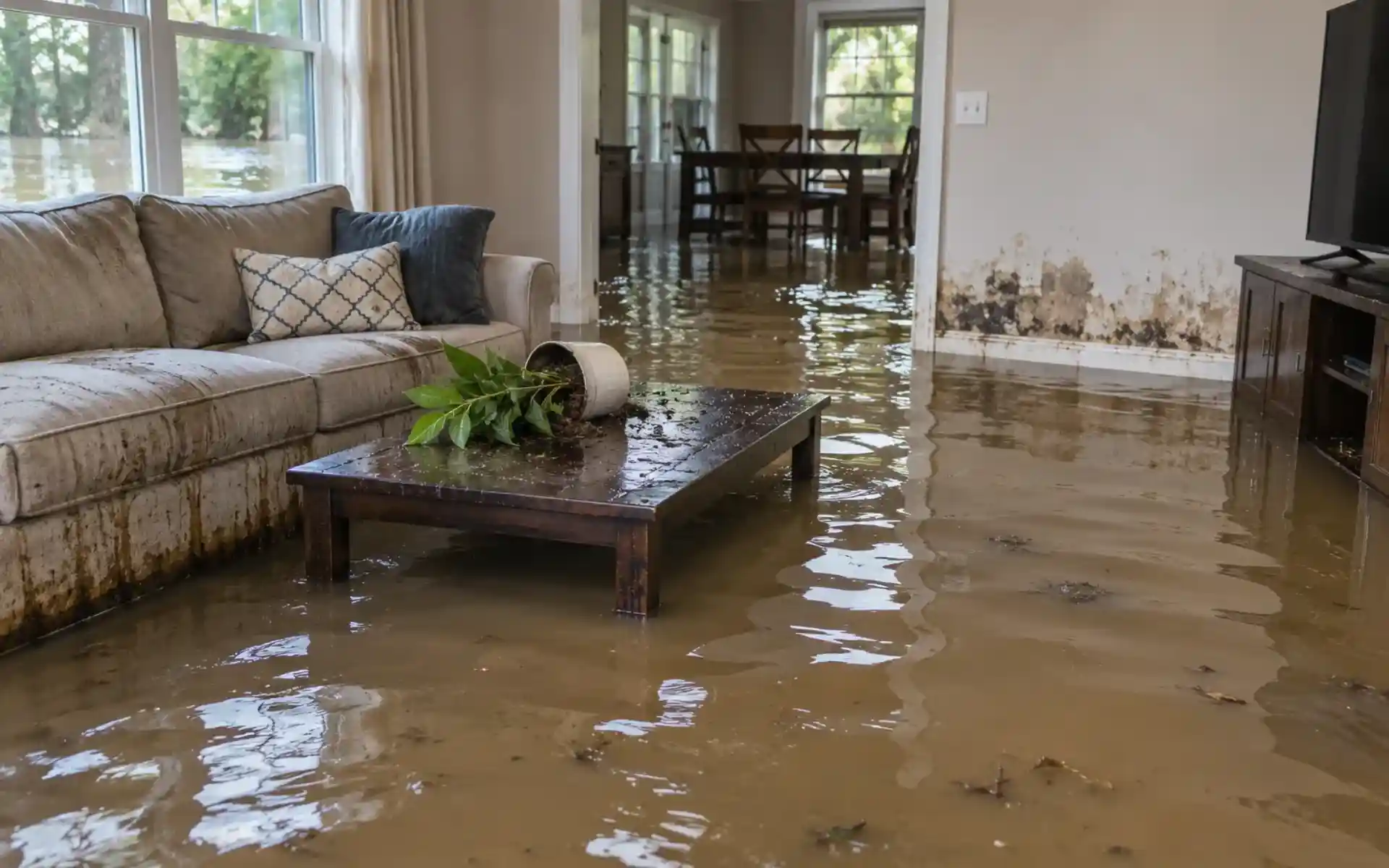
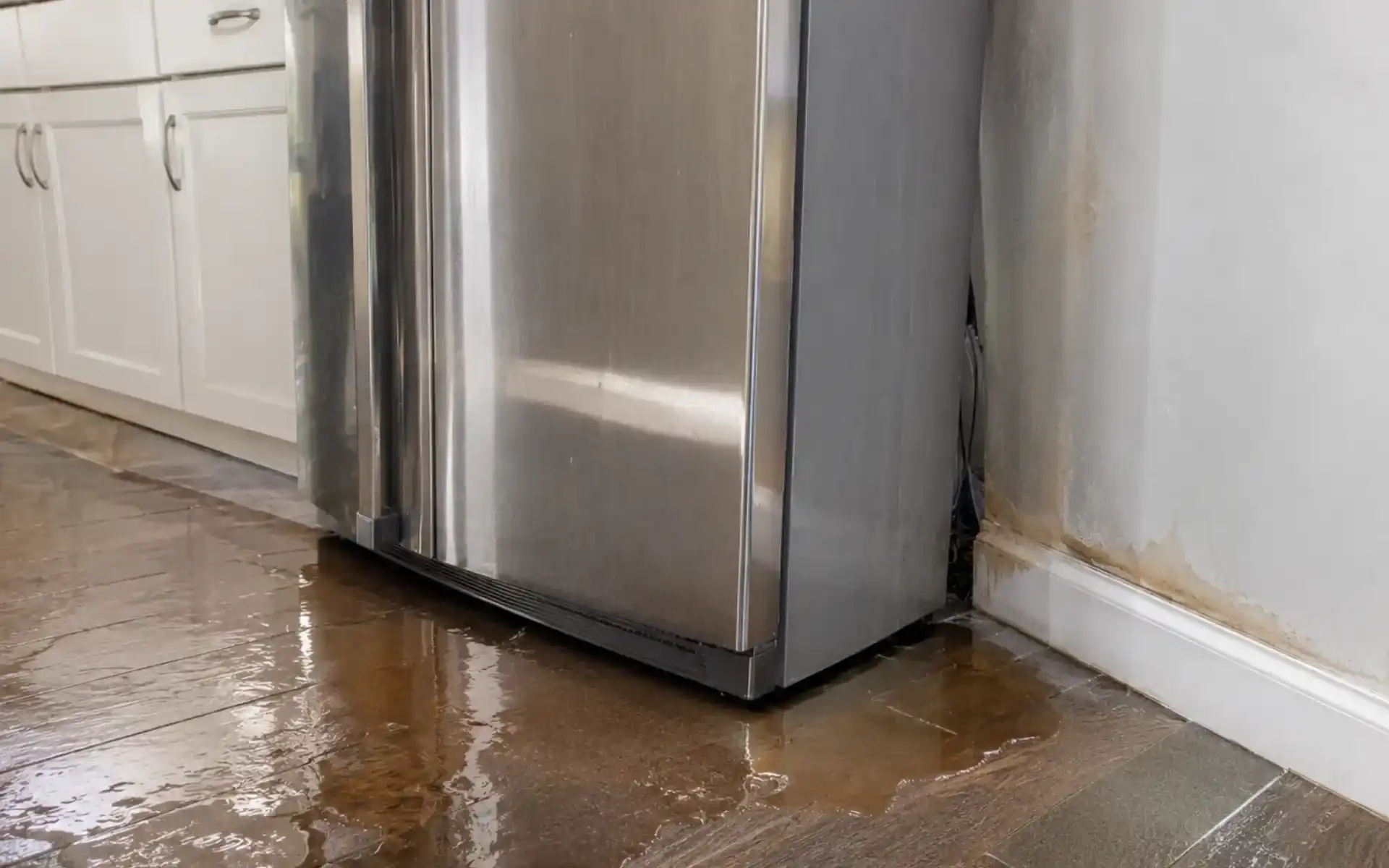
Category 1 clean water damage comes from a sanitary source and poses little direct risk to people or animals when it first appears. Typical sources include broken supply lines, leaking water heaters, melting ice and rainwater. Because the water starts clean, it is the most favorable category for restoration, and most affected materials can often be saved when they are dried quickly. Floors, walls and belongings that are removed from the wet area promptly have the best chance of recovering.
Clean does not mean permanent. Category 1 water is only clean at the moment it escapes its source. As it spreads across floors and soaks into building materials, it can pick up dirt, bacteria and other contaminants. Left untreated for a few days, it can degrade into Category 2 or even Category 3 water, which changes the safety precautions and may turn a simple drying job into a much larger cleanup.
The usual response to Category 1 flooding is rapid water removal followed by drying with air movers and a commercial dehumidifier. Moving air across wet surfaces and pulling moisture from the air speeds evaporation and limits the time contaminants have to develop. Rainwater and melting ice can seem harmless, but the same urgency applies, since the clock on degradation starts as soon as materials get wet. Acting within the first day or two keeps the loss in its lowest, most manageable category.
What Is Category 2 Gray Water Damage?
Category 2 gray water damage involves water with significant chemical, physical or biological contamination that can cause discomfort or illness if you touch or swallow it. The risk is moderate, lower than sewage but higher than a clean supply leak. Gray water is not safe to handle casually, and anyone cleaning it up should avoid contact and ingestion while keeping children, pets and other family members out of the wet area until the water has been removed.
Common sources include washing machine or dishwasher overflow and discharge, toilet overflow containing urine only, aquarium spills and sump pump failure. Each of these carries detergents, soils, microorganisms or other material that clean water lacks. A sump pump failure, for example, can let in groundwater carrying outdoor debris, while appliance discharge brings soap residue and food particles. The contamination is real even when the water looks only slightly cloudy.
Gray water can become Category 3 if it is not treated in time, because contaminants multiply and the water keeps soaking into the structure. It seeps into porous materials such as drywall, insulation and wood, where it is harder to reach. Restoration calls for thorough extraction, cleaning and sanitizing, not just drying, so surfaces are disinfected as well as dried. Quick action keeps the loss at Category 2 and often reduces how much material has to be removed.
What Is Category 3 Black Water Damage?
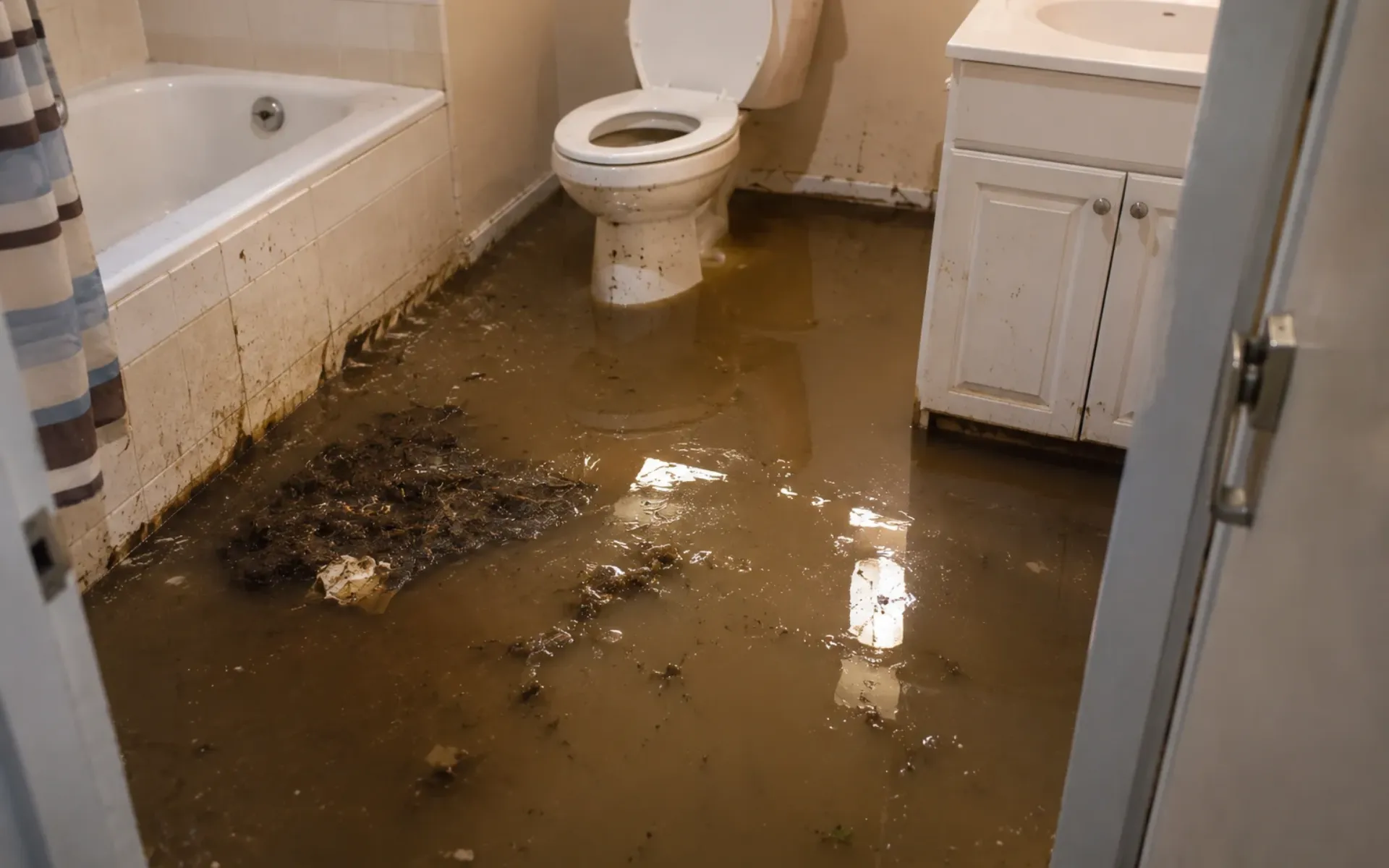
Category 3 black water damage is grossly unsanitary water containing pathogens, toxins and human waste, and it poses a severe health risk through contact. Raw sewage backups, seawater and river or stream flooding all fall into this group. Toilet overflows containing feces also qualify, as does standing water that has sat long enough to support microbial growth. No one should wade through or handle this water without proper protection.
Because the contamination is so serious, restoration requires specialized protective gear and complete decontamination of the affected space. Workers isolate the area, remove the water and clean every surface that was exposed. Homeowners should not treat black water as a do-it-yourself project, since the pathogens can cause serious illness and disturbing contaminated materials without the right equipment can spread the hazard to areas that were not originally wet.
Porous materials that absorb black water generally cannot be cleaned to a safe standard, so they are removed and replaced. Padding, carpet and Sheetrock (drywall) that were affected must be disposed of instead of dried and kept. Hard, nonporous surfaces can often be cleaned and sanitized, but anything that soaked up the water usually goes. This is why black water losses tend to involve more demolition and rebuilding than clean or gray water losses.
Can Clean Water Turn Into Gray or Black Water?
Yes, clean water can turn into gray or black water when it is left untreated. Category 1 water that sits for 24 to 48 hours can degrade to Category 2 as it absorbs contaminants from building materials, such as dirt in carpet, residues in flooring and bacteria that settle into damp surfaces. Longer neglect can push it further, to Category 3, as microbes multiply in the warm, wet conditions.
Degradation is driven by contact and time. Water that travels through a structure touches materials that carry contaminants, and it soaks into porous items. Category 2 water seeps into drywall, insulation and wood, where it becomes much harder to remove. Responding quickly preserves the lower category, which means fewer safety precautions and more materials saved. Even a simple supply line leak deserves fast extraction and drying, because delay is what turns a small, cheap problem into a hazardous one.
What Are the Four Classes of Water Damage?
The four classes of water damage, numbered 1 through 4, measure how far water has absorbed into materials and how quickly it is likely to evaporate. They run from a small damp patch to deep saturation. Class estimates of evaporation rates indicate how severe the damage is, because porous materials hold water and release it slowly, while dense materials resist absorption but are hard to dry once soaked. The class guides how much equipment and drying time a job needs.
- Class 1: under 5% of surfaces affected
- Classes 2 and 3: increasing wet area
- Class 4: deep saturation, dense materials
Class 1 is the mildest: water intrusion affecting less than 5% of the combined floor, wall and ceiling surface area. Class 4 is reserved for severe damage to low-permeable materials such as hardwood, brick and stone, where deep saturation requires specialized drying. Classes 2 and 3 fall between, with more wet area and more absorbent materials involved as the number climbs. The class depends on the amount of water and the number and type of wet materials, not on contamination.
How Are Categories and Classes Different?
Categories measure contamination and toxicity in the water, while classes measure how much water has been absorbed and how fast it will evaporate. Category is based on contamination level and potential health risk. Class refers to water amount and likely evaporation rate, based on the number and type of wet materials. One loss receives both labels, for example Category 1, Class 2. The table summarizes the contrast.
| Measure | Category (1-3) | Class (1-4) |
|---|---|---|
| Rates | Contamination | Absorption, evaporation |
| Shapes | Safety | Drying scope |
The practical difference is what each label controls. The category shapes safety precautions: protective equipment, whether people should stay out of the area, and whether porous materials must be discarded. A Category 3 loss demands strict protection even if the wet area is small. The class shapes the drying scope, meaning how many air movers and dehumidifiers are needed and how long drying may take. A Class 4 loss in a clean-water leak needs heavy drying but not hazard-level protection.
Mixing them up leads to wrong expectations. A large, soaked area is not necessarily dangerous, and a small, dry-looking patch is not necessarily harmless. A small sewage backup can be a serious health matter while a large clean-water flood is a drying problem. Keeping the two scales separate helps you understand estimates, insurance descriptions and recommendations. Ask for both the category and the class so the response matches both the risk and the extent of the damage.
How Do You Tell Which Category You Have?
To tell which category you have, identify the water source first, because category is defined by where the water came from, not by the surfaces it touched while traveling. Clean, clear water without a smell typically indicates Category 1. Odor, discoloration and visible debris suggest contamination. When in doubt, treat the water as the higher category. That choice costs little caution and avoids exposing people to hidden hazards. Follow these steps: 1. Find the source. 2. Check smell, color and debris. 3. Note how long it has been there. 4. Assume the higher category if unsure.
Some situations call for a professional assessment: any suspected sewage, flooding from a river or the sea, water that has sat for more than a day or two, or a loss where the source is unclear. Trained technicians can judge contamination and recommend protective measures. Until then, keep people and pets away, avoid touching the water, and do not run fans that could spread contaminants if you suspect gray or black water. Photographing the damage and noting the timeline also helps with the cleanup plan and insurance claims.
What Should You Do for Each Category?
What you should do depends on the category, and speed matters most for the cleanest water. Category 1 damage allows most materials to be saved if they are dried quickly. Flooding of this kind typically requires air movers and a commercial dehumidifier. Category 2 calls for thorough extraction, cleaning and sanitizing, and Category 3 requires specialized protective gear, complete decontamination and removal of porous materials. Each category adds steps rather than replacing the earlier ones.
For clean water, stop the source, remove standing water and start drying at once to prevent degradation. For gray water, add sanitizing and keep people away from affected areas, and expect that some porous materials may be hard to save. For black water, leave the work to trained crews, since drywall, carpet and padding must be removed and replaced. If you are unsure which category applies, treat the water as the higher one and get a professional opinion.
- Category 1: dry fast, save materials
- Category 2: extract, clean, sanitize
- Category 3: protect, decontaminate, remove porous materials
FAQs About Water Damage Catagory
What are the three categories of water damage?
Category 1 is clean water, Category 2 is gray water and Category 3 is black water. They are ranked by contamination and health risk, from low to moderate to severe. The category tells you how careful cleanup must be and how much material may need replacing. Always identify it before starting work.
What is the difference between categories and classes?
Categories measure how contaminated the water is, while classes measure how much water materials have absorbed and how fast it will evaporate. Category shapes safety precautions and disposal. Class shapes the drying scope and equipment. A single loss has both a category and a class. Neither label replaces the other.
Can clean water become dangerous?
Yes. Category 1 water left untreated for 24 to 48 hours can degrade to Category 2 by absorbing contaminants from building materials, and it can worsen further over a few days. Quick extraction and drying keep it at the lowest category. Even a clean leak needs prompt attention.
What causes Category 2 gray water damage?
Common causes are washing machine or dishwasher overflow, urine-only toilet overflow, aquarium spills and sump pump failure. The water carries chemical, physical or biological contamination that can cause discomfort or illness. Cleanup needs extraction, cleaning and sanitizing. Untreated gray water can escalate to Category 3.
What should I do with carpet and drywall after black water?
Dispose of them. Padding, carpet and Sheetrock (drywall) affected by Category 3 water are porous and cannot be reliably decontaminated, so they are removed and replaced. Specialized protective gear and complete decontamination are required. Do not attempt to dry and keep them.
How do I know which category I have?
Start with the source, since category follows source, not the surfaces the water crossed. Clean, clear, odorless water typically indicates Category 1, while odor, discoloration or debris suggests contamination. When in doubt, treat the water as the higher category. A professional can confirm the assessment.