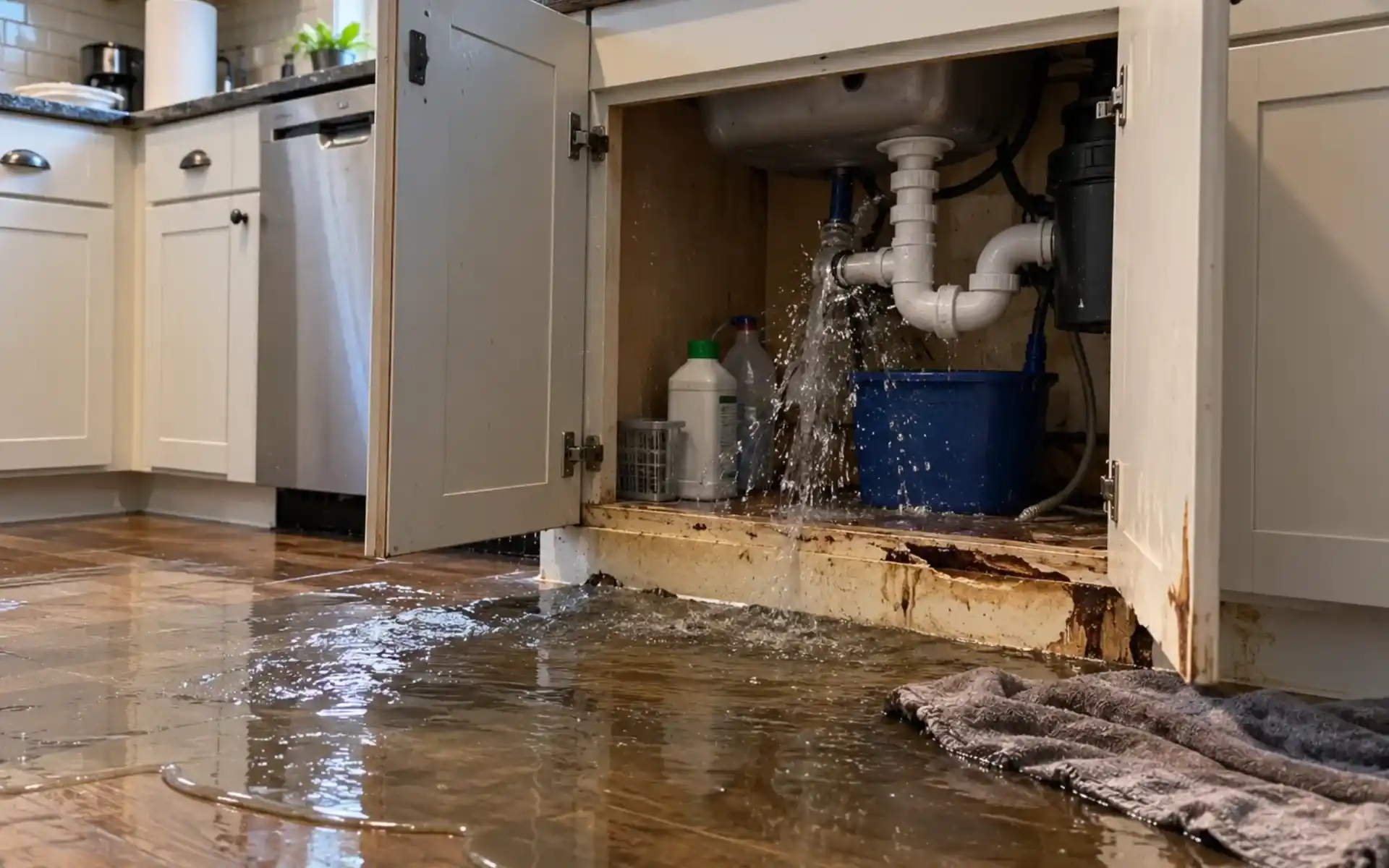
Residential water damage is harm caused by unwanted water that enters a house or escapes from its plumbing, appliances or drainage systems. It is common and costly, and it often begins quietly with a small leak, a slow drain or a water heater fault. Water can travel behind walls, under floors and through ceilings, so the visible stain is frequently far from the actual source. Most cases trace back to plumbing failures, roof and exterior leaks, appliance malfunctions or severe weather.
The useful distinction is between water that arrives suddenly and water that arrives slowly. A burst pipe or failed hose announces itself within minutes, while a seeping joint or clogged condensate line can soak materials for weeks before anyone notices. Knowing how each source behaves tells you where to look, how fast to react and how contaminated the water might be. The sections below follow that logic, moving from the most frequent causes to recognition, prevention and response.
What Are the Most Common Causes of Water Damage?
The most common causes of water damage are leaking or burst pipes, failing appliances and water heaters, roof and siding leaks, sewer backups, HVAC moisture and severe weather. Hidden pipe ruptures and leaks rank among the leading drivers of loss because they develop out of sight and keep running until damage shows. Each cause falls into one of two groups: interior systems that fail inside the house, or exterior conditions that push water in. The list below sorts the main sources by where they begin.
- Hidden pipe leaks and ruptures
- Appliance and water heater failures
- Roof, siding, gutter and grading problems
- Sewer and drain backups
- HVAC condensation and humidity
- Severe weather and flooding
Origin matters because it shapes both speed and severity. Interior failures such as pipes, hoses and tanks can release gallons quickly or leak at a trickle, while exterior sources like storms and poor drainage tend to deliver water in waves tied to weather. Sudden bursts demand an immediate shutoff, whereas slow leaks call for regular inspection, since they quietly feed stains, warping and mold. Recognizing which pattern fits your home helps you decide where maintenance effort pays off most.
Plumbing and Water Supply Failures
Plumbing and water supply failures are a leading cause of residential water damage because pipes are concealed, so leaks go undetected until damage appears. Supply and drain lines run behind walls, under floors and through ceilings, which means a problem can develop for a long time without any visible clue. That hidden routing is one reason concealed plumbing is tied to frequent property claims. By the time a stain or soft spot appears, the surrounding materials may already be saturated.
Failures come in two forms: slow seepage and sudden bursts. Seepage releases small amounts at a joint or pinhole, and it can continue for weeks or months, gradually soaking drywall, framing and flooring. A burst releases a large volume at once and can flood a room before anyone responds. Both can cause serious harm, but they are found differently, one through subtle signs and the other through obvious flooding.
Several conditions make concealed plumbing more likely to fail. Corrosion weakens metal pipes from the inside, age wears down fittings and seals, and high line pressure strains every joint in the system. Corroded, aging or high-pressure plumbing hidden in walls, floors and ceilings accounts for a large share of property claims. Understanding these stressors helps explain why older homes and unregulated pressure deserve particular attention.
How Do Leaking and Burst Pipes Cause Water Damage?
Leaking and burst pipes cause water damage when corrosion, age or high water pressure weakens them, releasing water into walls, floors and ceilings, either slowly or all at once. Slow leaks produce stains, warping and mold, while bursts cause rapid flooding. High pressure, worn seals and temperature fluctuations all increase the chance of a leak. Because the pipes sit out of view, leaks can go unnoticed for weeks or months before walls, floors and ceilings show harm.
Pressure is the stressor you can most easily control. A pressure regulator, or an annual pressure check, keeps the system from running harder than its fittings and seals were built for. Checking pressure also reveals problems before they turn into leaks. Pair that habit with a look at exposed pipes for corrosion, dampness or mineral crust, and replace worn seals early rather than waiting for a failure.
How Slab Leaks Cause Water Damage
Slab leaks occur when water lines running beneath or within a concrete foundation slab develop a leak, letting moisture escape under the floor where it cannot be seen. Because the pipe is buried, the first evidence is usually indirect, such as damp flooring, a musty smell or a rise in the water bill. Like other concealed plumbing, these lines are exposed to corrosion, age and high pressure, which gradually weaken joints and walls. The slow, hidden nature of the leak is what makes it so damaging.
Leaking water can saturate the subfloor and adjacent flooring, and it may reach walls through wicking along baseboards. Warped or buckled floors, persistent dampness and mold at the edges of a room can all point toward a leak beneath the slab. A water meter check, with all fixtures off, can show whether water is moving through the system unseen. Suspected slab leaks usually need a professional to locate the line, since the pipe cannot be inspected directly.
Why Do Water Heaters Fail and Flood Basements?
One of the commen cause of water damage is water heater leak. Water heaters fail when rust, sediment buildup or pressure valve problems develop in an aging tank, and a leak can quickly flood a basement where the unit is typically installed. Basements magnify the problem because they sit at the lowest level, collect water from above and often hold stored belongings that wick up moisture. A tank that leaks slowly may go unnoticed for a while, since few people check the basement regularly. Once the tank gives way, the volume it holds can spread across the floor.
Several warning signs appear before a failure. Unusual noises from the tank, rust-colored water, inconsistent hot water and pooling at the base of the unit all suggest trouble. Tank age matters too, because older tanks have had more years of corrosion and sediment accumulation. Any of these cues justifies an inspection, since early attention is far cheaper than cleaning up a flooded lower level.
Maintenance reduces the odds of a failure. Flushing the tank once a year removes sediment buildup that otherwise sits on the bottom and stresses the tank. Checking the pressure relief valve at the same time confirms that it can release excess pressure safely. If the heater is old or showing several warning signs, replacing it on your schedule beats an emergency replacement after a flood.
Appliance Malfunctions That Release Water
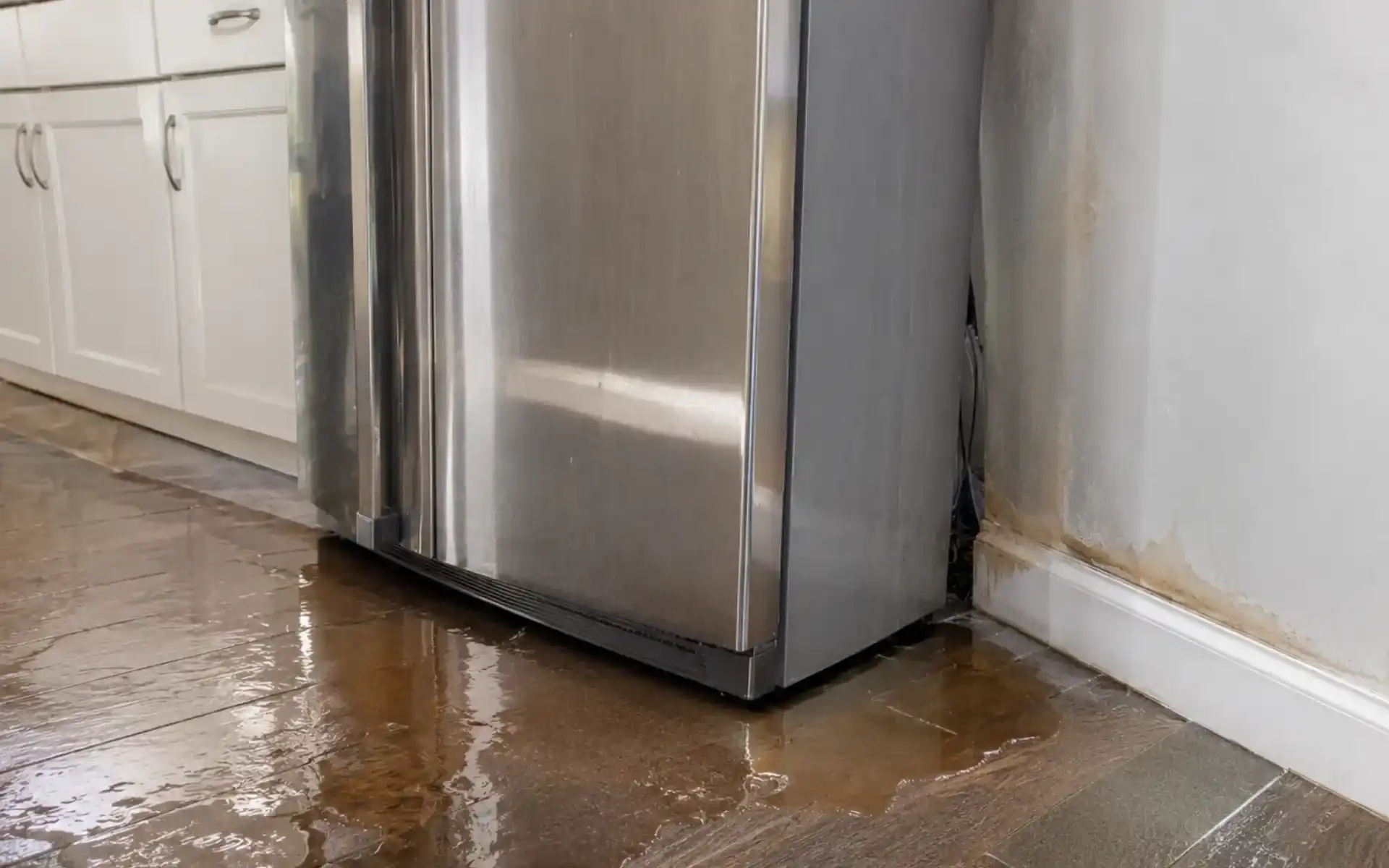
Appliance malfunctions release water when hoses, supply lines or internal parts wear out, and washing machines, dishwashers and refrigerators are the usual culprits. Worn rubber hoses or internal leaks can release gallons of water onto floors, often in rooms where no one is watching. Refrigerators with ice makers add another risk through their small supply lines. Because appliances connect permanently to the water supply, a failed connection keeps delivering water until someone shuts it off.
Washing machines are a particularly common source. Rubber or PVC supply lines can wear out and rupture, flooding a laundry room within minutes if the water is not shut off. Running a washer while no one is home or asleep increases the risk, because there is nobody to respond quickly. Checking hose condition, and closing the supply valves when you leave for a trip, limits the exposure.
Dishwashers can leak during wash and rinse cycles through the supply line or the discharge connection, releasing gallons of water. The water often runs beneath cabinetry, where it soaks the subfloor before it becomes visible at the surface. Water from washer and dishwasher discharge is classed as gray water, which carries minor contaminants. That affects how it should be cleaned, a point covered later when the water damage categories are explained.
Roof, Siding, Gutter and Exterior Drainage Problems
Exterior water problems start either when water enters through the building envelope, such as the roof, siding, windows and doors, or when it pools at the foundation. The two paths behave differently. Roof entry sends water down through ceilings and wall cavities, while ground-level entry pushes water against basement walls and slabs. Both are driven by rain, but they call for different inspections and different repairs.
Drainage controls how much water reaches the foundation in the first place. Improper grading moves rainwater toward the house instead of away, and clogged gutters spill water into the structure rather than carrying it off. Those failures are quiet, because nothing looks wrong until a heavy rain. Then the water finds the lowest and weakest path, often through a basement wall or window well.
Exterior problems are especially damaging because they repeat with every storm. A small gap in sealant or a few blocked feet of gutter can let water in again and again, and each event adds to the moisture already held in materials. Over time that cumulative wetting leads to rot, staining and mold. The two subsections that follow separate envelope leaks from drainage failures.
How Do Roof and Siding Leaks Let Water In?
Roof and siding leaks let water in through damaged or missing materials and weak seals, and the water then travels slowly into ceilings and wall cavities. Missing, cracked or damaged shingles, plus poorly sealed windows and doors, allow rainwater to seep past the outer layer. The progression is gradual and concealed, so the first sign is often a stain well away from the actual opening. That delay lets damage build before repairs begin.
Roof damage during heavy storms is a main entry route. An unmaintained roof or missing shingles let water seep in during heavy rainstorms, and wind can lift or strip material that was already loose. Once the protective layer is breached, water can run along framing and drop onto ceiling drywall some distance away. Inspecting the roof after severe weather helps catch problems early.
Siding, windows and doors are the other half of the envelope. Inadequate caulking or weatherstripping lets rain and moisture penetrate walls, causing long-term damage that may stay hidden behind finishes for years. Resealing gaps and replacing worn weatherstripping are inexpensive compared with replacing saturated wall materials. Seasonal checks around frames and trim are the most practical defense.
Even small drips matter. A minor leak can saturate drywall over time, leading to mold damage and growth inside the wall or ceiling. By the time discoloration appears on the surface, the material behind it may already be soft and contaminated. Treat any new ceiling or wall stain as a sign to trace the water source, not just to repaint.
How Do Clogged Gutters and Poor Grading Damage a Home?
Clogged gutters and poor grading damage a home by sending rainwater toward the foundation instead of away from it, causing overflow, pooling and basement leaks. Debris blocking the flow makes water spill over the gutter edge, run down exterior walls and collect around the foundation. Clogged gutters cannot direct rainwater away, so overflow can also back up onto the roof. Keeping gutters and downspouts clear, with discharge placed well away from the house, addresses the first half of the problem.
Ground slope is the second half. Soil should be graded away from the foundation so surface water drains outward rather than settling against the walls. In persistently wet zones, French drains or gravel trenches can carry water off where grading alone is not enough. These measures reduce the pressure that drives moisture through foundation cracks and into basements.
Sewer Backups, Drains and Contaminated Water
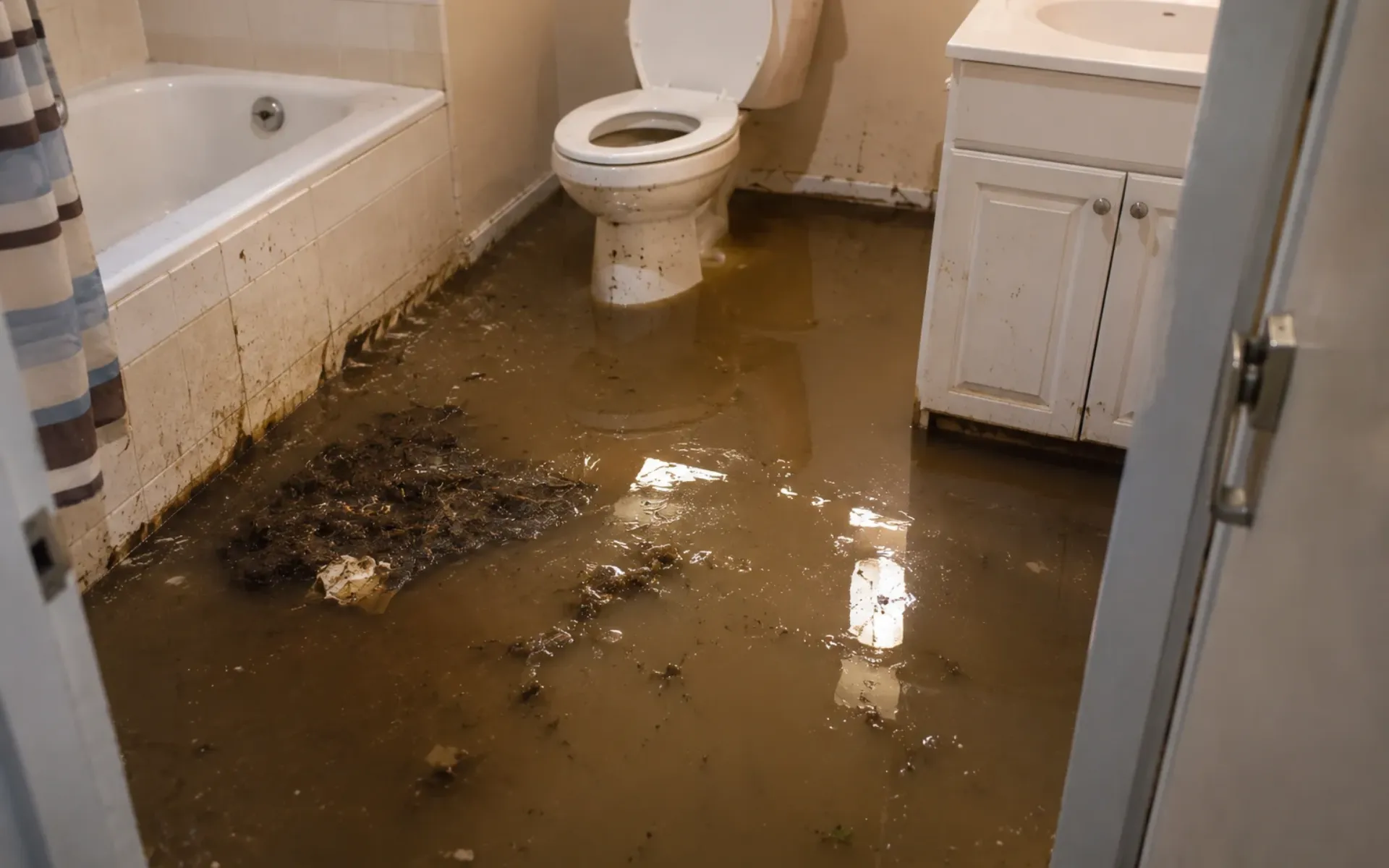
Sewer backups occur when a blocked drain or sewer line forces wastewater back up through toilets and floor drains, causing extensive damage and serious health risks. Hair, grease buildup, toiletries, dirt, toys and other foreign objects can obstruct drainpipes, while tree roots and grease can clog sewer lines. Because the exit points are low fixtures, the flooding usually appears in basements and bathrooms. It can cause extensive damage in a short time.
The contamination is what sets a backup apart from a clean-water leak. Sewage carries pathogens, so it poses serious health hazards and generally requires removal of porous materials rather than simple drying. Avoid contact with the water and treat cleanup as a job for trained professionals. Prevention means keeping grease, wipes and foreign objects out of drains and watching for slow drains or gurgling, which often signal a developing blockage.
HVAC, Condensation and Humidity Moisture
HVAC, condensation and humidity problems cause water damage through slow moisture buildup rather than sudden leaks. Air conditioners produce condensate that must drain away, and drainage fails when the drain pan is cracked or the condensate line is clogged with dust or dirt. The overflow can then wet ceilings, walls and flooring near the unit. Because the leak is gradual, it may continue unnoticed for a long time.
Humidity creates a different version of the same problem. High indoor humidity or weak ventilation causes condensation on walls, which saturates materials and fosters mold. Drywall absorbs this moisture steadily, so it can become loaded with water without any visible leak. Bathrooms, basements and poorly ventilated rooms are common places for the pattern to develop.
The practical response is to keep drainage clear and moisture low. Clearing condensate lines, inspecting drain pans and running exhaust fans or a dehumidifier all limit accumulation. Keeping indoor relative humidity below 50 percent helps inhibit mold growth. Persistent condensation on walls is a sign that ventilation or moisture sources need attention.
Severe Weather and Flooding
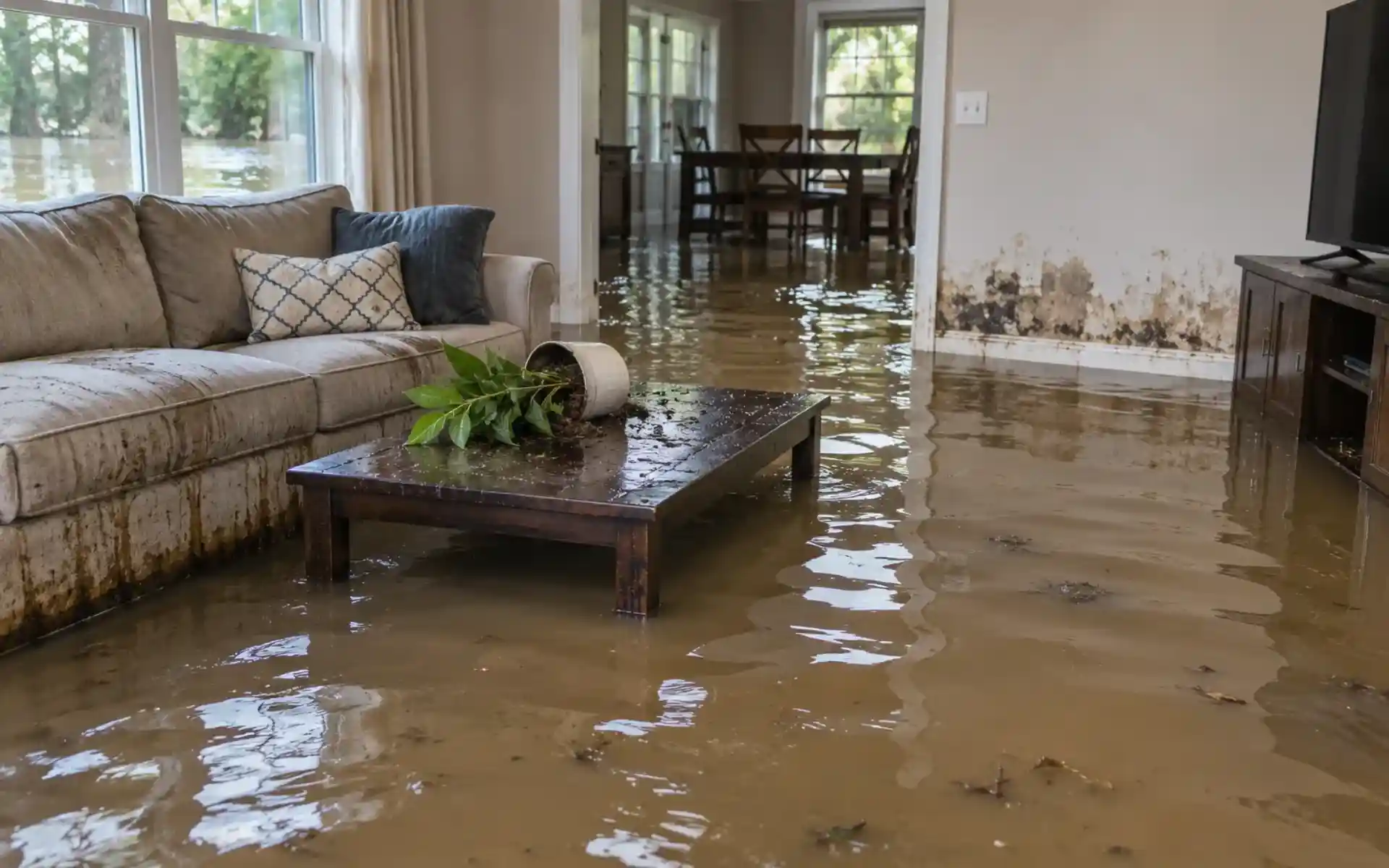
Severe weather and flooding cause water damage when surface water enters the home from ground-level inundation or insufficient drainage. Heavy thunderstorms, hurricanes and flash floods, combined with poor ground grading, drive water against or over foundation walls. This water is ground runoff, not plumbing water, so it often carries dirt and contaminants. Flood damage is normally excluded from traditional homeowners’ policies, so check coverage separately.
Weather drives a large share of losses worldwide. Global insured flood, storm and inland water losses were about US $140 billion in 2024, with weather accounting for about 97 percent. Those figures show how dominant storm and flood events are in insured water damage overall. For homeowners, good grading, clear drainage paths and well-sealed foundations reduce the amount of water that reaches the walls.
What Are the Three Categories of Water Damage?
Water damage falls into three categories based on contamination level, and the category determines how restoration must be done. The table below summarizes each one. Category 1 is clean water, Category 2 is gray water and Category 3 is black water. Higher categories mean greater health risk and more removal of affected materials.
| Category | Type | Typical source |
|---|---|---|
| 1 | Clean water | Supply pipes |
| 2 | Gray water | Washer, dishwasher |
| 3 | Black water | Sewage, floods |
Category 1 comes from potable lines or broken supply pipes and poses minimal initial health risk. Even so, it can turn into mold within 48 hours if left wet. Category 2 contains minor contaminants, such as discharge from washing machines or dishwashers. Category 3 is grossly contaminated, from sewage backups, rising floodwaters or groundwater runoff carrying pathogens, and it requires material removal.
Categories can worsen over time. Water category can deteriorate with elapsed time and temperature, so Category 1 water may become Category 2 if it sits. That is why quick action matters even for a clean-water leak. Identifying the source early helps you judge the category and decide whether professional help is needed.
What Are the Early Warning Signs of Water Damage?
Early warning signs of water damage fall into visible, structural, sensory and billing indicators. Hidden damage often shows up indirectly, through odor or an unusual bill, long before a stain appears. Noticing these clues early lets you find the source while repairs are still small. The two subsections below separate what you can see from what you notice by other means.
Musty smells, often in basements, are frequently the first sign of water damage. A persistent odor suggests moisture is trapped somewhere and mold may be starting. A water leak may also be discovered only after an unusually high utility bill. Treat either clue as a reason to inspect plumbing, appliances and walls rather than waiting for visible harm.
Visible Signs: Stains, Peeling Paint and Warped Surfaces
Visible signs of water damage include ceiling and wall stains, bubbling paint or wallpaper, softened drywall, warped floors and cracks in walls. Dark brown or yellow-tinted stains in ceilings and walls, along with soft, warped or buckled surfaces and a musty smell, point to moisture. Mold or staining at the foundation is another cue. Wallpaper can bubble or detach when humidity exceeds 70 percent for extended periods.
Water damage can be confused with termite damage. Termite damage leaves wood much hollower inside than water damage, which tends to leave it soft, swollen or discolored. Tapping suspect wood can help tell them apart. If you are unsure, a professional inspection will identify the cause before you repair the wrong problem.
Hidden Signs: Odors, Sounds, Sagging and Water Bills
Hidden signs of water damage include musty smells, creaking or sloping floors, doors that no longer latch, sounds behind walls and unexplained water bill spikes. Sloping floors and sticking doors suggest framing or subfloors have absorbed water and shifted. Dripping or running sounds when no fixtures are in use may indicate a leak inside a wall. A sagging ceiling signals that water is collecting above it.
You can test for a leak with the water meter. The EPA suggests checking the meter before and after a 2-hour period with no water use; any change points to a leak. A moisture meter helps too, and readings above 15% typically indicate water damage when interpreted carefully. Check baseboards and corners, where moisture tends to collect, and compare readings with unaffected areas.
How Can You Prevent Water Damage at Home?
You prevent water damage by matching maintenance habits to the main causes: checking plumbing, appliances, roofs, gutters and drainage regularly. Inspect and replace worn pipe fittings and appliance hose connections at least once a year, and keep a regular schedule of leak checks and plumbing inspections. Dry wet areas within 24 hours and keep indoor relative humidity below 50 percent to inhibit mold growth. The steps below summarize the routine.
- Inspect hoses and fittings yearly.
- Check water pressure annually.
- Flush the water heater yearly.
- Clear gutters and downspouts.
- Keep soil graded away from the foundation.
- Dry wet areas within 24 hours.
Each step targets a specific cause covered earlier. Pressure control protects pipes, tank flushing protects the water heater, and clear gutters with good grading protect the foundation. Because many failures are gradual, routine checks catch problems that would otherwise run unnoticed. Making the checks seasonal, such as before heavy rain or winter, keeps them from being forgotten.
What Should You Do If You Suspect Water Damage?
If you suspect water damage, stop the water source first, then document the problem and begin drying right away. Stopping the source must come before any cleanup begins, or new water keeps arriving. Dry water-damaged areas and items within 24 to 48 hours to prevent mold growth. The steps below give the order of action.
- Shut off the water source.
- Photograph damage and note moisture readings.
- Remove standing water and start drying.
- Call a certified restoration specialist.
Documentation supports repairs and any insurance claim. Take photos of the affected areas and record moisture readings if you have a meter. Move belongings out of wet areas and increase airflow, but avoid contact with water that may be gray or black. If you are unsure of the source, tracing it comes before repairs.
Contacting a certified professional restoration specialist is often regarded as the safest approach. Professionals can identify the category of water, use drying equipment and find moisture hidden in walls and floors. This matters most for sewage, flood water or damage that has spread beyond a small area. Acting within the drying window gives the best chance of avoiding mold and further structural harm.