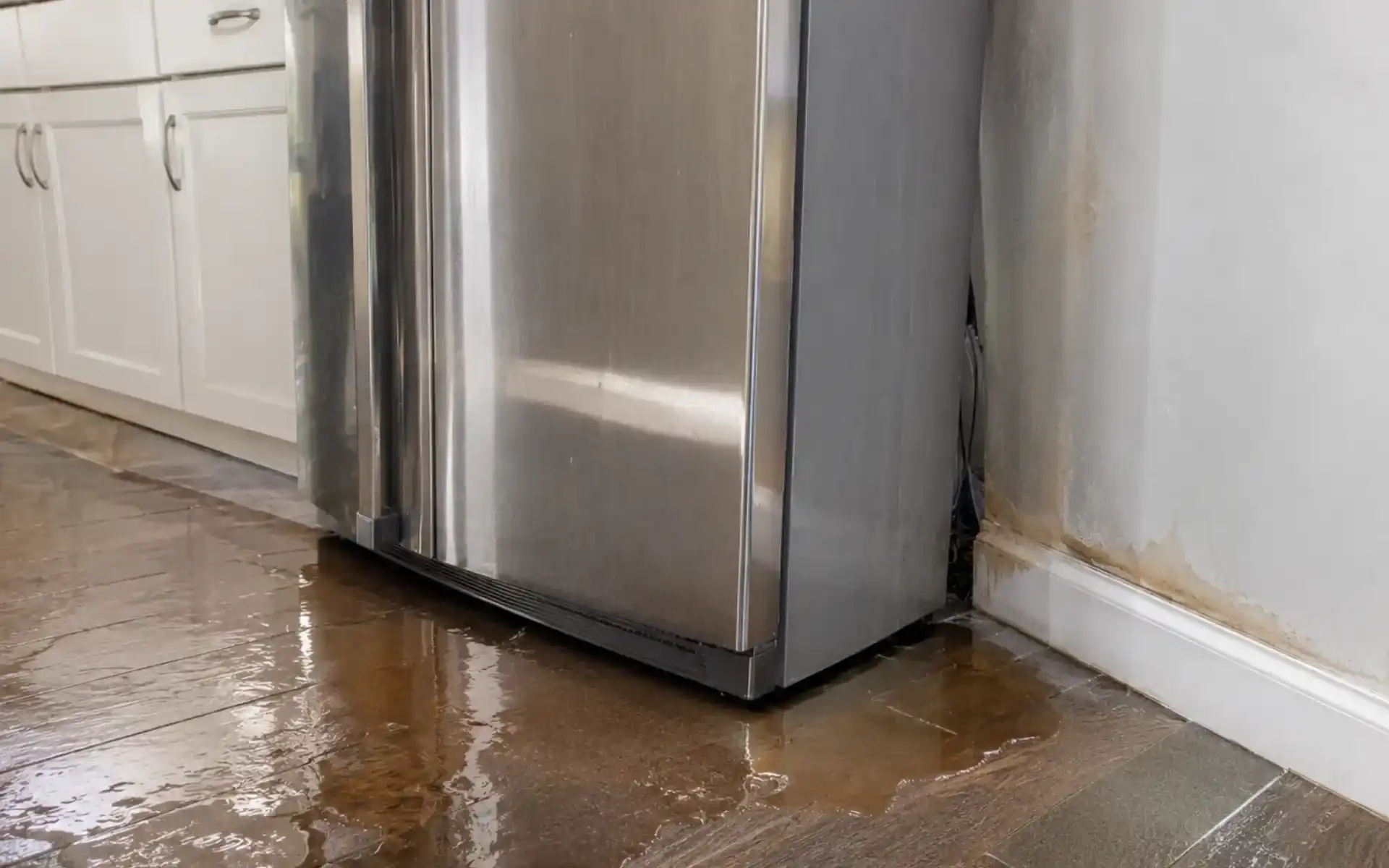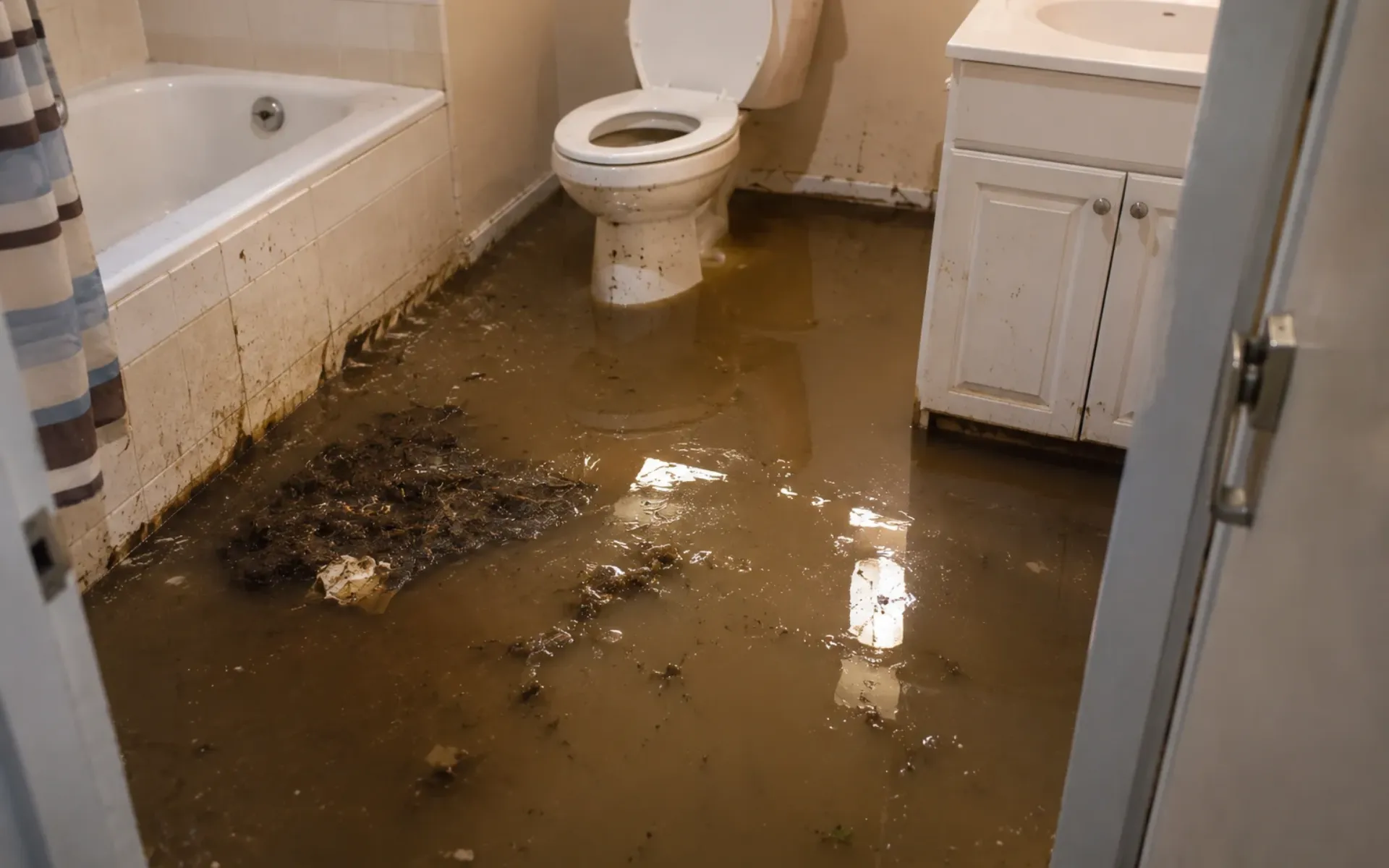
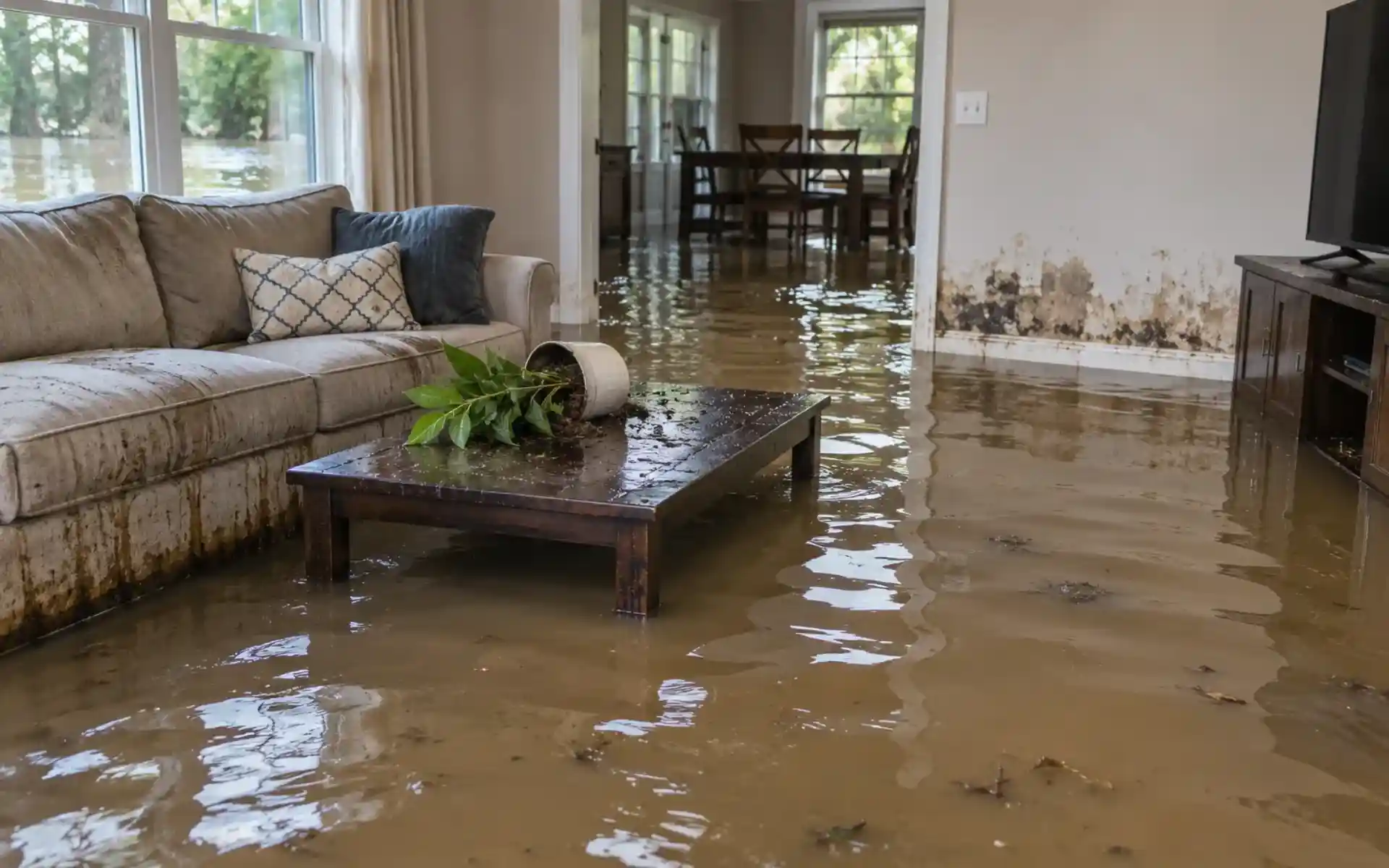
A flood is an overflow of water onto land that is normally dry. The water may spill from a stream channel, move inland from the coast, or simply pond where rain cannot drain away. Common triggers include heavy rain, melting snow, storm surge and broken dams or levees, and each one can put a house underwater. For homeowners, the everyday meaning is the literal one: water entering places built to stay dry.
How much harm a flood does depends on its type, speed, depth and location. A slow river rise may give days to prepare, while a flash flood can arrive within hours of intense rainfall. Fast-moving water can sweep away homes, roads, vehicles and bridges with little warning. Even a few inches of water can ruin floors, walls and belongings.
Understanding how floods form helps you judge which kind could reach your property. Causes range from rainfall and snowmelt to storm surge, dam failures and overwhelmed city drainage. Each flood type behaves differently, and each damages structures, systems and health in its own way. Knowing those differences makes insurance, preparation and recovery decisions far more practical.
What Is the Definition of a Flood?
In its literal sense, a flood is a large amount of water covering an area that is usually dry. The water typically comes from heavy rain, melting snow, storm surges or broken dams. The word also has a figurative noun meaning, such as a flood of phone calls, emotions or sunlight. As a verb, it means to fill or cover something to overflowing, or to arrive in overwhelming quantities.
Only the literal meaning matters when you are assessing a property. It describes actual water reaching land and buildings, regardless of whether a map labels the location as a flood zone. Properties outside a designated flood zone can still be at risk, because rainfall, drainage and terrain all shape where water goes. Treat the definition as a description of what water can do, not a boundary on a map.
What Causes Floods?
Floods are caused by more water arriving than the land, channels or defenses can handle. Natural drivers include prolonged heavy rainfall, rapid snowmelt, severe winds, high tides, tropical cyclones and tsunamis. Failures of water-control structures, such as dam or levee breaks, ice jams and glacial lake outbursts, can release or redirect large volumes suddenly. Overwhelmed drainage can also send water into streets and buildings.
Human and climate factors change how severe those events become. Impervious surfaces such as pavement block absorption, and limited drainage capacity leaves runoff nowhere to go. Sea level rise lifts the baseline that tides and storm surge build on, while extreme precipitation can deliver more water at once. The following sections look at the most important mechanisms in turn.
How Do Rainfall and Snowmelt Cause Flooding?
Rainfall and snowmelt cause flooding when more water reaches the surface than the ground can absorb. Excess water runs off into streams and rivers, raising their levels until they exceed their banks. Saturated soil and full ponds or lakes have little room left, so even moderate additional rain can quickly become runoff. This is the basic chain behind many inland floods.
The pattern depends on how the water arrives. Short, intense bursts can overwhelm channels and drains within hours, while prolonged rain gradually saturates soil and lifts rivers. Seasonal snowmelt works differently, because melting winter snowpack can produce a significant river rise. Each pattern gives a different amount of warning time.
Flooding is not limited to warm, rainy seasons. Floods can occur in winter from snowmelt and ice jams, which surprises people who associate cold months with safety from high water. A thaw that melts snow quickly can send runoff into rivers still partly blocked by ice. Winter weather should therefore not lower your guard against flooding.
How Do Storm Surges and High Tides Cause Flooding?
Storm surge and high tides cause flooding by pushing ocean water onto the shore. Storm surge is an abnormal rise in sea level caused by powerful winds and low atmospheric pressure during storms or cyclones. High tides and tsunamis also raise coastal water levels and drive seawater inland. Homes near the shoreline or tidal inlets can be reached quickly when these forces combine.
Sea level rise adds a longer-term layer to the problem. Higher sea levels amplify the effects of high tides and storm surge, even without more frequent storms. A tide or surge that once stopped short of a property can therefore reach further inland. For coastal homeowners, the starting water level matters as much as the storm itself.
How Do Dams, Drainage Systems and Ice or Debris Jams Cause Floods?
Dam failures, overloaded drainage and ice or debris jams cause floods by releasing or backing up water. A dam breach sends a sudden wall of water downstream, creating flash flood conditions. Glacial lake outbursts and ice-jam blockages work similarly, either releasing stored water abruptly or damming a channel until water spills over. Downstream communities may have little time to react.
Urban drainage can fail in a quieter way. Pavement and other hard surfaces prevent rain from soaking into the ground, so water rushes toward storm drains. When those systems are overloaded, water collects on streets and enters buildings. The failure comes from capacity limits rather than a dramatic structural collapse.
What Are the Main Types of Floods?
The main types of floods are flash, riverine, coastal and urban floods. They can be compared by cause, speed, warning time, typical location and the kind of damage they bring to homes. Flash floods develop within minutes or hours of intense rainfall, usually under six hours, while river floods occur when water rises above river banks. Coastal and urban floods have their own drivers, summarized in the table below.
| Type | Main cause | Speed |
|---|---|---|
| Flash | Intense rain | Minutes to hours |
| Riverine | Rain or snowmelt | Slower |
| Coastal | Tides, surge | Storm-linked |
| Urban | Drainage overload | Rapid |
These categories overlap in real events. A hurricane, for example, can bring coastal surge and inland rainfall at once, and a heavy storm can cause both flash and urban flooding. Identifying the dominant type still helps, because it shows how much warning to expect and which protective steps will matter. The subsections that follow describe each type in more detail.
What Is a Flash Flood?
A flash flood is a rapid, violent flood caused by heavy rainfall in a short period, generally less than six hours. It can begin within minutes or hours of intense rain, leaving very little time to react. This speed is what makes it among the most dangerous types for people and property. Water rises and surges before many residents realize the threat.
Flash floods do not need a river nearby. They can occur on city streets and highway underpasses, and may be driven by rain that fell upstream or by a sudden cloudburst. Water can arrive from a direction that seems dry and calm at your location. Dam breaches can create similar conditions downstream.
The danger is concentrated where people and vehicles are exposed. Fast-moving water can sweep away vehicles, damage roads and bridges, and destroy buildings, while basements fill quickly. Because of the short lead time, flash floods call for immediate action rather than waiting to see how high the water gets. Moving to higher ground is the safest response.
What Is a Riverine Flood?
A riverine flood occurs when rivers or streams swell from rain or snowmelt and spill over their banks. It is the most common flood type, affecting communities built along waterways large and small. The overflow spreads across adjacent low-lying land, including farms, roads and neighborhoods. Homes in these areas can be inundated for extended periods.
Compared with flash floods, riverine floods usually develop more slowly. Water levels climb as rain or meltwater collects upstream, which makes these events more forecastable. That slower onset can give residents time to move belongings, protect property and evacuate if needed. The extra time is valuable only if people act on it.
Riverine flooding often follows seasonal patterns. Spring snowmelt or a rainy season can raise rivers predictably each year, and prolonged rain can saturate the ground first. Water may stay high for days, soaking building materials longer than a brief surge would. Duration is therefore a key source of damage in these events.
What Is a Coastal Flood?
A coastal flood occurs when seawater moves inland during high tides, storms or cyclones. High tides, tsunamis and storm surge all push ocean water onto the shore. Hurricanes are a classic link, because their winds and low pressure raise the sea and drive it toward land. Estuaries and low shorelines are especially exposed to this movement.
Coastal floods bring a damage factor that inland floods do not: salt water. Seawater can leave residues and speed the deterioration of building materials and equipment it reaches. Waves and surge also add force, so damage can include physical impact as well as soaking. Rising sea levels make these events reach further than before.
What Is an Urban Flood?
An urban flood happens when city drainage systems cannot handle rapid rainfall, so water pools on streets and in buildings. Rainfall falls faster than the drains can carry it away. This is often called surface water flooding or ponding, and it can happen far from any river or coast. Even a modest storm can cause trouble if it is intense.
Impervious surfaces are central to the problem. Pavement, roofs and compacted ground prevent absorption, turning almost all rain into runoff that rushes toward low points. Underpasses, basements and ground-floor entrances become collecting areas for the water. Drain capacity then determines how long it lingers.
For residents, urban flooding can appear suddenly and without any river warning. Streets may become impassable, and water can enter through doors, windows, floor drains or basement openings. Because it overlaps with flash flooding, the same caution applies when driving or walking through standing water. Local drainage conditions matter as much as the amount of rain.
What Other Flood Types Should Homeowners Know?
Other flood types homeowners should know include groundwater, snowmelt, ice-jam and glacial lake outburst flooding. Each matters in specific settings, depending on climate, terrain and the water sources near a property. They do not always fit neatly into the four main categories. The list below gives a quick guide to when each applies.
- Groundwater: water rising away from rivers
- Snowmelt: winter snowpack runoff
- Ice jam: blocked river backs up
- Glacial lake outburst: mountain lake release
Groundwater flooding occurs when groundwater emerges at the surface away from perennial river channels. It can affect homes that seem distant from any stream, including basements and low ground. Snowmelt flooding follows the melting of winter snowpack, and ice-jam flooding happens when ice blocks a river and water backs up. Both explain why winter and early spring can bring high water.
Glacial lake outburst flooding releases water from a glacier-fed lake and is relevant mainly in mountain regions. Its sudden release can act much like a dam breach downstream. Most homeowners will face rainfall, river or coastal flooding, yet these rarer types show how varied water sources can be. Local knowledge of your landscape is the best guide.
How Do Floods Damage Your Home?
Floods damage homes through water entry, depth, duration, velocity and contamination. Each factor harms in a different way: depth determines what is reached, duration how deeply materials soak, and velocity how much force is applied. Contaminated water adds health risks and disposal problems. Together they affect structure, systems, contents and occupants.
Damaging flooding may happen with only a few inches of water. That is enough to soak flooring, wall bases, cabinets and low electrical outlets, so a flood does not have to be deep to be costly. Fast-moving floodwater can go much further, sweeping away vehicles, damaging roads and bridges, and destroying buildings. Severity varies widely between events.
Homes outside mapped flood zones can also suffer losses. Heavy rainfall, blocked drains or nearby streams can put water inside a house regardless of a zone designation. The subsections below separate the main damage types: structural harm, system failures, contamination and mold, and financial effects. Seeing them separately makes recovery planning clearer.
What Structural Damage Can Floodwater Cause?
Floodwater can damage foundations, walls, flooring, drywall and insulation through force and saturation. Moving water pushes against structures, while standing water soaks into porous materials and leaves them heavy and weak. Fast-moving water can damage roads, bridges and buildings, so entire access routes may fail as well as the house itself. Both force and soaking contribute to structural harm.
Water pressing against a foundation and basement walls adds stress, particularly when the ground around the house is saturated. This hydrostatic pressure can contribute to cracking, leaks and movement. The effect is strongest where water stays high around the home for some time. Even slower floods can therefore harm the building envelope.
Prolonged soaking weakens materials that were never designed to stay wet. Drywall and insulation absorb water and often need removal, and wood flooring can swell and separate. Hidden cavities inside walls may stay damp after surfaces appear dry. Careful inspection after drying matters because damage is not always visible.
How Do Floods Damage Electrical, HVAC and Plumbing Systems?
Floods damage electrical, HVAC and plumbing systems when water reaches wiring, panels, appliances, furnaces and pipes. Submerged components can short circuit, corrode or fail, and may be unsafe even after the water leaves. Power should be switched off when outlets and fixtures are submerged, and only if reaching the switch is safe. Electricity and water together create a serious shock hazard.
Sewer backup and drainage failure are common plumbing consequences. When municipal systems or private lines are overloaded, contaminated water can flow back through drains into the house. Furnaces, water heaters and ductwork located in basements or low areas are especially vulnerable. Equipment that was submerged should be professionally checked before reuse.
Safety comes before cleanup, and these steps reflect that order. Do not enter a flooded area until authorities say it is safe, and never stand in water while touching electrical equipment. Qualified professionals should assess damaged systems before they are restored. Rushing to restart equipment can cause injury or further damage.
- Leave if water is rising or the area is unsafe.
- Switch off power only if it is safe to do so.
- Avoid contact with submerged outlets and fixtures.
- Have a professional inspect systems before use.
Why Is Floodwater Contamination and Mold a Problem After a Flood?
Floodwater contamination and mold are problems because floodwater can carry sewage and chemicals, while moisture lets mold spread rapidly in water-soaked structures. Both create health risks and complicate cleanup. Items touched by contaminated water may be unsafe to keep. The hazards often continue after the visible water is gone.
Floodwater can be contaminated by sewage or chemicals and can hide debris. Murky water conceals sharp objects, broken materials and uneven ground, so wading through it can cause injury as well as exposure. Contamination also affects what you can salvage, since porous contents that absorbed the water may be difficult to clean safely. Avoid contact where possible.
Potentially dangerous mold can quickly overwhelm water-soaked structures. Damp drywall, insulation, carpet and wood give it ideal conditions, and delays in drying let it spread behind surfaces. Mold can worsen respiratory problems and other health issues for some people. Fast removal of wet materials reduces the chance of a larger problem.
Because of these risks, recovery is not simply a matter of mopping up. Wet, contaminated materials often must be removed and discarded, and the building has to dry thoroughly. People with health vulnerabilities should be especially careful about re-entering and cleaning. Professional help may be appropriate when contamination or mold is extensive.
What Are the Financial and Insurance Impacts of Flood Damage?
Flood damage can bring major financial burdens through repairs, cleanup, replacement of belongings and temporary displacement. Flooding costs billions of dollars in property and infrastructure damage every year in the United States. For an individual household, one event can mean sudden costs and time away from home. The scale of loss depends on depth, duration and what the water reached.
Insurance is a central question because flood insurance differs from standard property coverage. Many homeowners assume flood damage is included, so reading policy details and confirming what is and is not covered is essential. The National Flood Insurance Program is one source of flood coverage in the United States. Coverage should be confirmed before water arrives, not afterward.
Risk does not stop at mapped high-risk areas. Over 25 percent of NFIP claims come from outside high-risk areas, showing that homes elsewhere can face real losses. That fact matters for anyone who thinks a lower-risk location makes insurance unnecessary. Check your own coverage details and ask your insurer or agent about them.
Who Is Most at Risk From Floods?
People most at risk from floods are those whose homes and communities combine high hazard with high exposure. Flood risk depends on hazard and exposure, including elevation and rainfall patterns. Homes near rivers, coasts or low ground, in flood zones, or with poor drainage face more exposure. Local conditions can change the picture street by street.
Social vulnerability also shapes who is hurt most. Low income, poverty, weaker infrastructure and limited community resources can make it harder to prepare, evacuate, repair and recover. Two households facing the same water can have very different outcomes because of what support and protection they have. Risk is therefore partly about resources as well as geography.
A common myth is that living outside a flood zone means no risk. Properties outside a flood zone can still be at risk, since flash floods can occur away from rivers and drainage can fail in any storm. Looking at elevation, nearby waterways, drainage and local rainfall gives a more realistic view than a map label alone. Use maps as one input, not the final answer.
How Can You Prepare for and Respond to a Flood?
Preparing for a flood means knowing your risk, securing insurance, building an emergency kit, planning an evacuation route and watching forecasts and alerts. Preparation works best before a storm, when decisions can be calm and deliberate. Understanding alert levels helps you act at the right moment. The steps below give a practical order.
- Learn your property’s flood risk.
- Confirm flood insurance coverage.
- Pack an emergency kit.
- Plan an evacuation route.
- Monitor forecasts and alerts.
During a flood, avoid floodwater and evacuate when told to do so. Just 6 inches of floodwater can knock an adult off their feet, according to the National Weather Service. After the event, return only when authorities say it is safe, and treat damaged buildings with caution. Those choices protect lives more than any possession.
What Is the Difference Between a Flood Watch, Advisory and Warning?
A flood watch means conditions could lead to flooding, an advisory signals less serious flooding that can still cause inconvenience or hazards, and a warning means flooding is occurring or expected. Each level implies a different action, from staying alert to moving quickly. A flood warning is issued when flooding is a definite reality at least 24 hours before it occurs. That lead time can be critical for preparation.
A watch is the time to get ready. Review your plan, check supplies and follow forecasts, since the situation could develop. An advisory calls for care in affected areas, such as avoiding flooded roads. A warning means taking protective action and following official instructions.
Flash flood warnings are especially urgent because of the short timeframe. When one is issued, move to higher ground right away rather than waiting for water to appear. Alert wording and procedures can vary by place and situation, so check current local information. Local authorities and weather services give the most relevant guidance.
What Can Reduce Flood Damage to a Home?
Reducing flood damage to a home involves elevation, barriers, flood gates, sealing, drainage and sump systems. Elevating or moving valuables above the expected flood water level reduces losses. Barriers and gates can keep water from entering openings, while sealing and drainage limit seepage. Sump systems help remove water that collects below ground.
Community measures matter too, including levees and flood forecasting. They protect many properties at once and provide the warning time households need. Match measures to the flood type: a barrier suited to slow river rise may not help against fast, forceful water. The best plan combines home steps with local protections.
Flooding is best understood as water reaching places that are normally dry, from rain, snowmelt, tides, failures or overloaded drains. The type of flood shapes the warning you get and the damage you face. Speed, depth, duration and contamination decide how much a home loses. Knowing these basics helps you plan realistically.
Risk is not limited to mapped zones, and protection starts well before the water rises. Confirm your insurance coverage, understand local alerts and prepare an evacuation plan. Take practical measures matched to the floods most likely in your area. These steps turn knowledge about floods into safer, better-prepared homes.
FAQs About Flood Damage
What is a flood?
It is an overflow of water onto land that is normally dry.
What causes floods?
Heavy rainfall, snowmelt, storm surge, high tides, tsunamis, dam or levee failures, ice jams and overwhelmed drainage all contribute.
What are the main types of Flood?
Flash, riverine, coastal and urban floods are the most common categories. Each has a distinct speed and warning time.
How do floods damage a home?
Water entry, depth, duration, velocity and contamination harm structures, systems and contents, and a few inches can be costly.
Is flood risk only in flood zones?
No, properties outside a flood zone can still be at risk.
What should homeowners know about Flood?
Confirm flood insurance coverage, since standard property coverage differs. Also avoid floodwater, because about 6 inches can knock an adult off their feet.