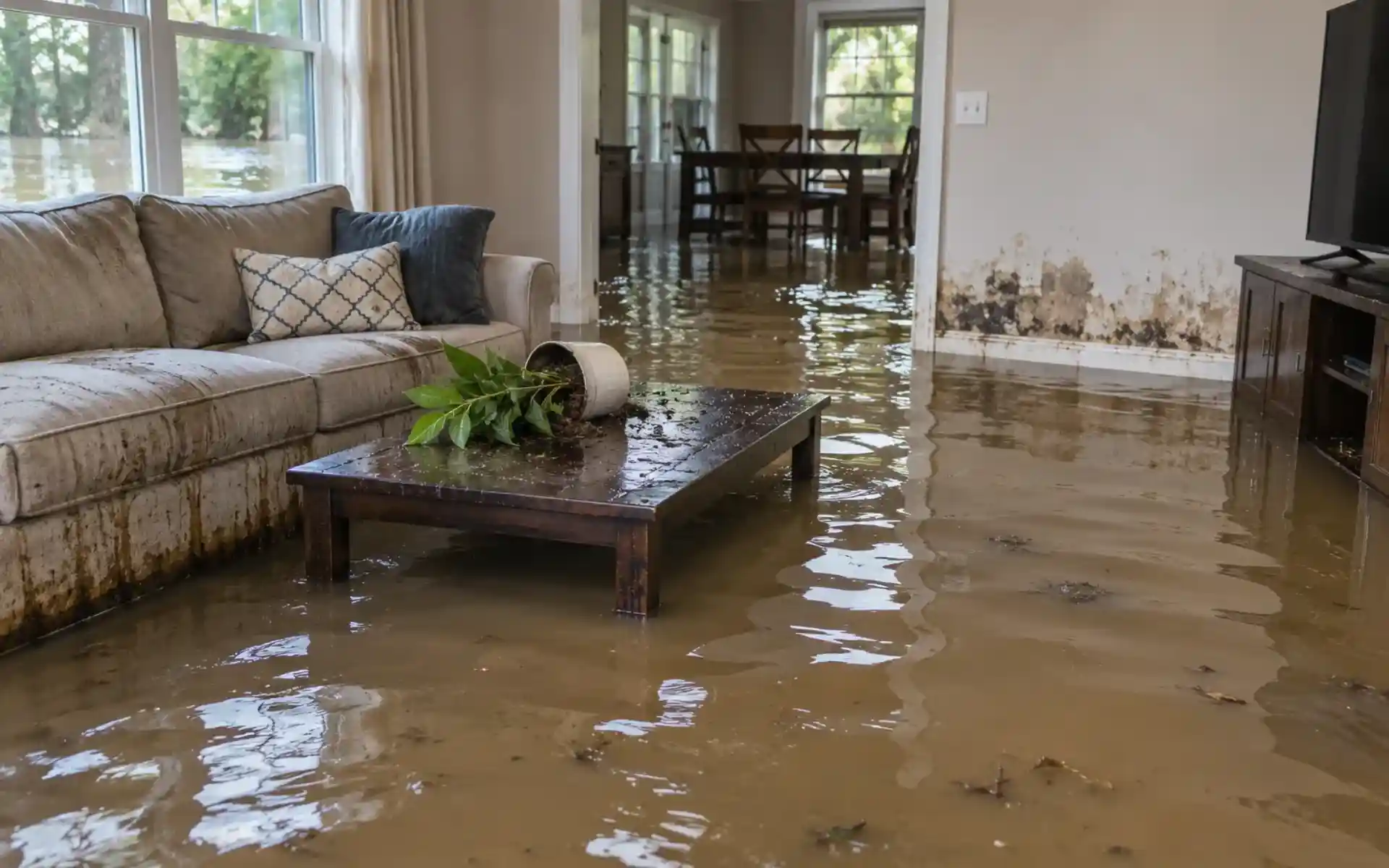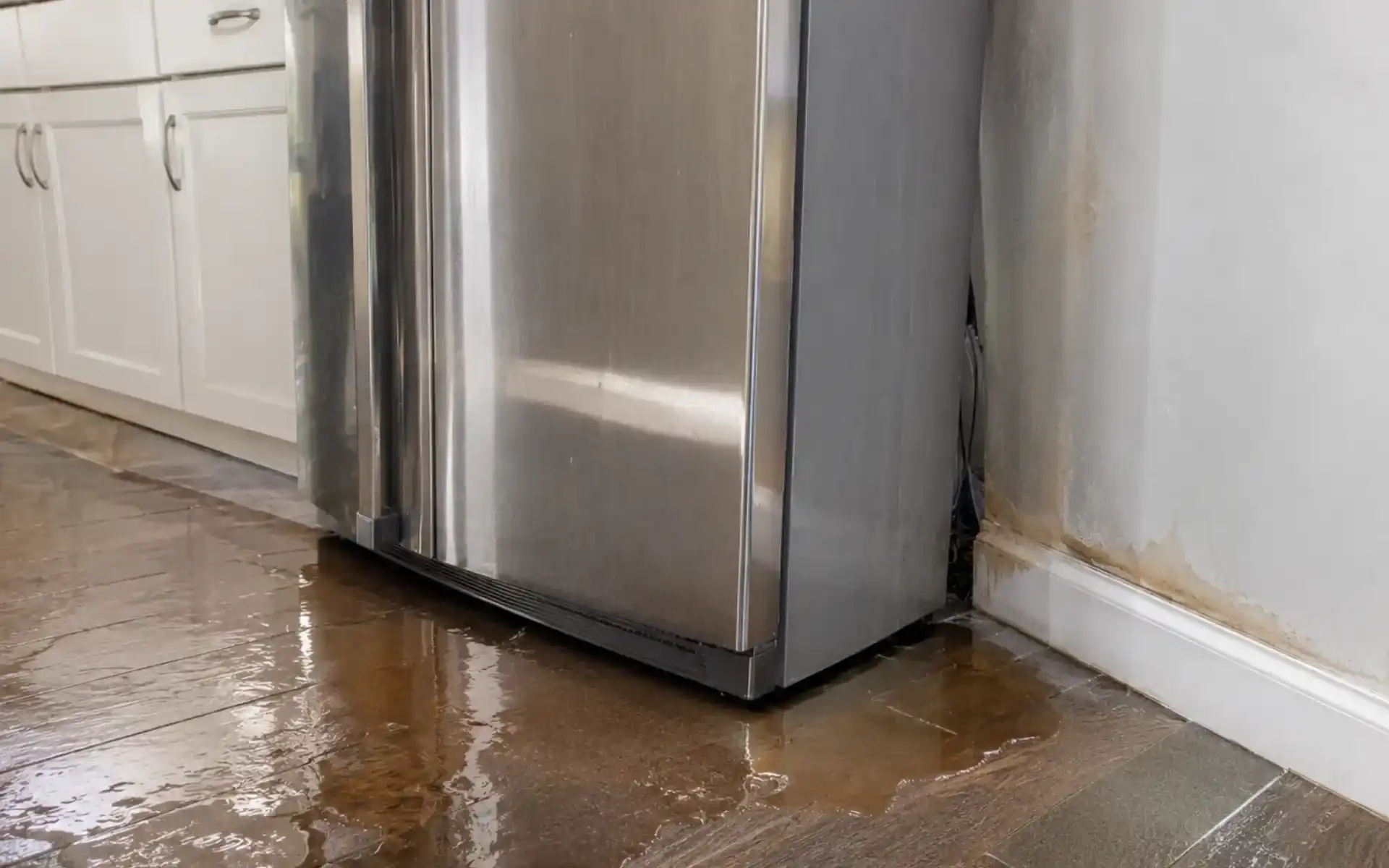
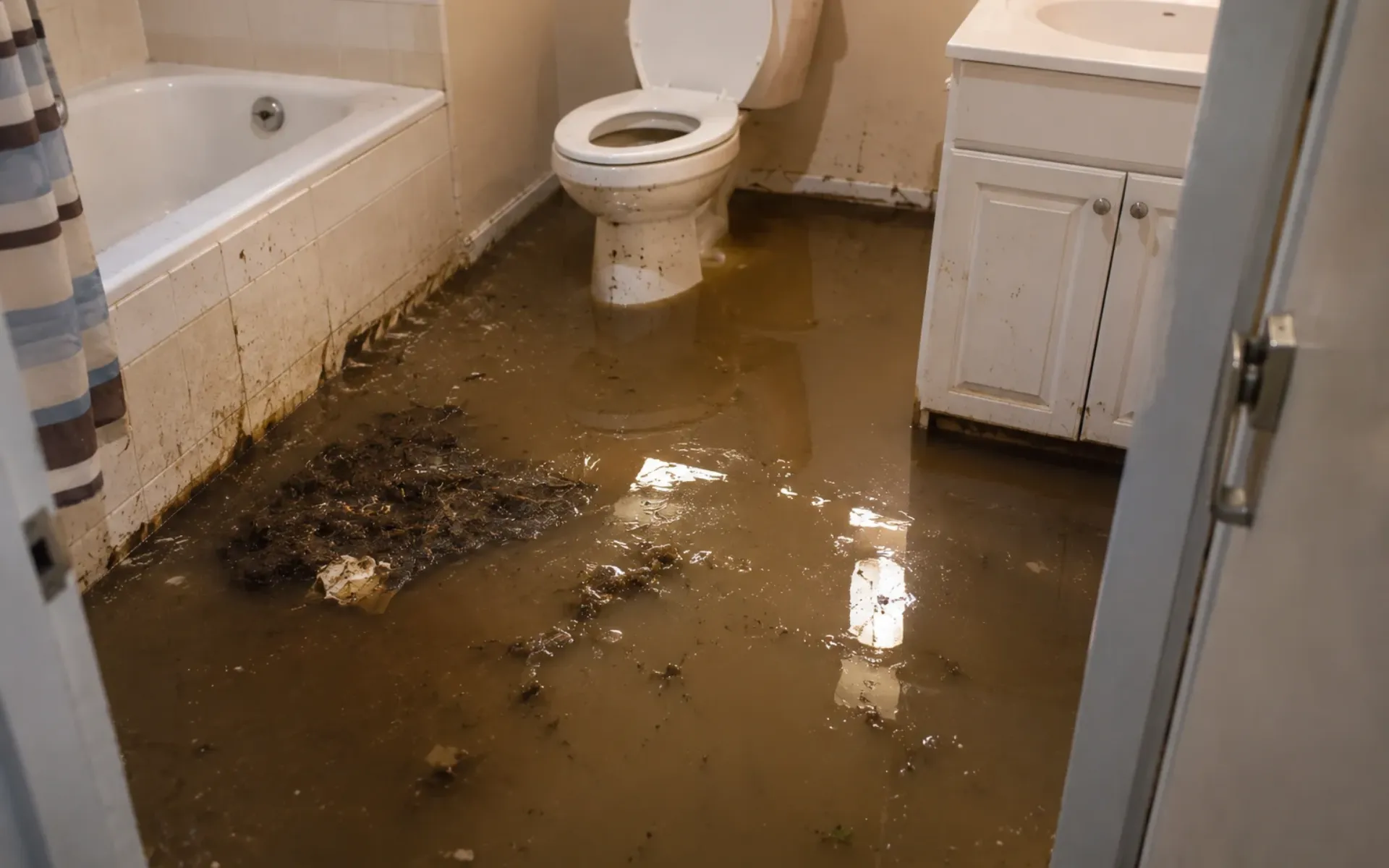
A sewer backup happens when wastewater reverses direction and flows into a home through drains, toilets or floor drains. The usual triggers are a blockage in the main sewer line or an overloaded sewer system that cannot carry the volume of water it receives. Because the lowest openings in a house sit closest to the pipe, the first signs often show up in basements and ground-level fixtures. What comes out is not ordinary water, so the problem needs quick attention rather than a wait-and-see approach.
The practical stakes are high because sewage carries pathogens that create health risks. It can also soak flooring, drywall, furniture and stored belongings, causing significant property damage in a short time. Even a modest backup turns into a cleanup and disinfection job, and the longer contaminated water sits, the more materials it reaches. That is why recognizing the early warning signs matters as much as knowing how to respond once water appears.
Responsibility depends on where the problem begins. Utilities maintain the public sewer main that runs under roads, while the property owner maintains the private sewer lateral connecting the house to that main. This split affects who can fix the problem, who pays for repairs and who to call first. It also shapes insurance outcomes, since most standard homeowner policies do not cover sewer backup unless specific coverage has been added.
What Causes a Sewer Backup?
A sewer backup is caused by a blockage, a system overload or a failing pipe that stops wastewater from leaving the home. Blockages and pipe damage usually sit in the private lateral, which the homeowner maintains, while overload typically involves the public main under the street. Knowing which part of the system is involved helps you decide whether to call a plumber, the utility or both. Each cause leaves different clues, which is useful when you are trying to narrow down the source.
One of the best clues is how many fixtures are affected. A single clogged toilet or sink usually points to a blockage in that fixture’s own drain, which a plunger may handle. When many fixtures clog at once, the cause more likely lies in the main sewage line that all of them share. Water has nowhere to go but backward, and it escapes at the lowest and most accessible opening.
The most common underlying causes are tree root infiltration, grease and debris buildup, aging or damaged pipes and heavy rainfall. Some build up slowly over months or years, such as grease layers or root growth, while others strike suddenly when a storm overwhelms capacity. Many of these problems begin quietly, which is why recurring slow drains deserve attention. The sections below look at each cause in turn and explain what it means for your home.
Blockages From Grease, Debris and Flushed Items
Grease, wipes and debris cause blockages by building up inside pipes and narrowing the space available for wastewater to flow. Fats and oils cool and stick to pipe walls, then catch other material, so the opening shrinks gradually until flow stops. Wipes are a major culprit because they do not break apart the way toilet paper does, even when labeled flushable. In Houston, 70% of sewer overflows have been attributed to fats, oils, grease and flushed wipes.
Kitchen habits make a real difference. Scrape plates into the trash instead of rinsing food down the sink, and pour cooled cooking grease into a container rather than the drain. A sink strainer catches hair, food particles and debris before they enter the pipes, and it costs very little. In the bathroom, keep wipes and other debris out of the toilet so only waste and toilet paper go down.
Tree Root Infiltration and Aging or Damaged Pipes
Tree roots and aging pipes cause backups by creating openings and weak points where blockages form. Roots seek moisture and nutrients, so they enter through small fractures or loose joints, then grow into thick masses that catch debris and cause significant blockages. Once roots are established, clogs tend to recur because they keep growing back after a simple clearing. That repeating pattern is a strong sign the line needs inspection rather than another quick fix.
Age is a second factor. Older homes often have clay, cast iron or Orangeburg sewer lines, and these can crack, corrode, collapse or shift out of alignment over time. Misaligned sections create ledges that trap solids, while improper connections can also restrict flow. Damage like this often needs a camera inspection to locate, and repair or replacement of the affected section may be the lasting solution.
Why Does Sewer Backup Happen After Heavy Rain?
Heavy rain causes sewer backup when storm water overwhelms municipal capacity and pushes wastewater back toward homes. Where storm and sanitary systems are combined or connected, rapid excessive drainage can back water and sewage into houses. Even in separate systems, stormwater entering the sanitary system adds volume the pipes were not sized to carry. The result is a surge that can exceed what the main can move away.
Lower-level fixtures are the first to be affected because they sit lowest in the plumbing and are closest to the pressure. Basement floor drains, showers and toilets are typical entry points when the main fills up during a storm. Because the cause is outside your property, cleaning your own lateral may not prevent it. Protective devices such as a backwater valve are designed for exactly this situation.
What Are the Signs of a Sewer Backup?
The signs of a sewer backup include several slow drains, gurgling fixtures, persistent sewage odors and unexpected water in lower-level plumbing. The key is the pattern: when problems appear in several places together, the main line is a more likely culprit than one clogged fixture. Backups tend to surface first at basement floor drains, ground-floor toilets and utility sinks. Catching these clues early can limit the damage.
- Several slow drains
- Gurgling fixtures
- Persistent sewage odor
- Water in lower-level drains
- Lush or damp yard patches
Watch for these warning signs: multiple slow drains at once, gurgling toilets or drains, a lingering sewage smell, water backing up in a basement drain, shower or tub, and lush or soggy patches in the yard. Any single sign may have a minor cause, but two or more together deserve prompt attention. Note which fixtures react and when, since that information helps a plumber find the blockage faster.
Timing and location add useful detail. If symptoms appear when you run laundry or flush a toilet, the water is probably meeting resistance somewhere downstream. If only the lowest drains misbehave, the line is likely full enough to push back at the weakest point. Treat this as a signal to stop adding water and get the line inspected before sewage reaches the living space.
Slow Drains, Gurgling and Multiple Clogs
Several slow drains at once indicate a deeper obstruction in the shared sewer line rather than a problem in one fixture. More than one sluggish drain at the same time is a warning worth acting on, because each fixture’s own trap is probably clear. Compare the sink, shower and tub to see whether they share the same slow pace. If they do, the restriction is likely downstream where their pipes join.
Gurgling is another clue. When water runs elsewhere in the house, you may hear odd noises from toilets or drains as trapped air is displaced by water moving through a partly blocked line. Running the washing machine or flushing a toilet can trigger bubbling in a different fixture. Those cross-reactions suggest the pipes are not draining freely, so reduce water use and call a plumber.
Sewage Odors, Water Backing Up and Yard Changes
A persistent sewage smell, water in a basement floor drain, shower or tub, and yard changes all point to a sewer problem. Odors coming from drains mean wastewater is not clearing properly or gases are escaping from a compromised line. Water appearing in the lowest fixtures is a stronger sign, since it shows the line is already full. At that point, stop using water and treat the situation as an active backup.
Look outside, too. Lush grass, damp spots or standing water over the path of the lateral may indicate a leaking or broken sewer line. Leaking wastewater fertilizes the soil above it, which is why a strip of unusually green lawn can be a clue. These yard signs are worth mentioning to a plumber, who can use a camera to confirm the cause.
What Should You Do During a Sewer Backup?
During a sewer backup, stop all water use, stay away from standing water and call a licensed plumber right away. Each drop sent down the drains worsens the backup, so avoid flushing, laundry and dishwashing until the line is cleared. Sewage carries pathogens and causes property damage, so acting immediately matters.
- Stop using water.
- Avoid drains, toilets and standing water.
- Turn off power if safe.
- Call a plumber.
- Notify the utility if needed.
Follow these steps in order: Turn off power to the affected area and basement if the breaker box can be reached safely. Never wade into standing water where outlets, appliances or wiring may be electrified. If you cannot reach the panel without entering water, leave it alone and ask the utility or an electrician for help. Keep children and pets out of the area, and avoid touching contaminated surfaces without protection.
Call a licensed plumber to find and clear the cause. If you suspect the public main is involved, notify the utility as well, because it may affect other homes. Before cleanup starts, document the damage with photos, which will support any insurance claim later. Then arrange professional cleanup if sewage has reached floors, walls or belongings.
Who to Call: Plumber, Utility or Cleanup Service?
Call a licensed plumber for a problem limited to your home, and report to the city if the main or several homes are affected. The homeowner handles the private lateral, while the utility handles the public main under the road. Multiple clogged drains or flooding call for a plumber’s inspection and sewer repairs. The plumber can tell you whether the blockage is on your side of the property line.
A restoration service is the third call. Plumbers diagnose and repair the line, but contaminated cleanup is a separate job for a restoration company equipped to handle sewage. If neighbors report similar problems, that points toward the public main and strengthens a report to the city. Keep notes of who you called and when, since insurers and utilities may ask.
Can You Fix a Sewer Backup Yourself?
You can fix a minor, single-fixture clog yourself with a plunger, but not a mainline sewer backup. A plunger may clear a single isolated clog in a toilet or sink. If plunging fails quickly, stop and call a professional rather than forcing it. Repeated attempts can push contaminated water around and waste time while damage spreads.
Avoid chemical drain cleaners. They rarely solve a deeper blockage, can sit in standing water and may be hazardous to you and to the plumber who works on the line next. They also do not remove roots or repair cracked pipes, so the underlying cause stays in place. Gloves and care are essential around any sewage.
Mainline backups need professional tools. Sewer cameras show what is happening inside the pipe, and hydro-jetting uses high-pressure water to clear buildup. DIY stops being safe when several fixtures are affected, sewage is rising or you cannot see the cause. A professional can clear the line and tell you whether repair is needed to prevent a repeat.
How Do You Clean Up After a Sewer Backup?
Clean up after a sewer backup by protecting yourself, removing contaminated materials and thoroughly disinfecting every surface the water touched. Pathogens make sewage cleanup a health priority, so wear waterproof gloves, boots and eye protection. Before you begin, take photos and videos for your insurer.
- Document damage.
- Wear protective gear.
- Remove water and soiled items.
- Clean and disinfect.
- Dry thoroughly.
Then work through these steps: Remove standing water and discard porous items such as carpet, padding and soaked cardboard that cannot be cleaned reliably. Wash hard surfaces with detergent, rinse, and then apply a disinfectant suited to the surface. Dry the area thoroughly with fans and ventilation to discourage mold. Wash clothing and hands carefully afterward, and keep children and pets away until the area is finished.
Large backups or contamination of drywall and flooring often justify hiring a restoration service. Professionals have extraction equipment and know how to handle materials that are hard to clean at home. Do not use fixtures until the plumber confirms the line is clear. Contaminated items should be bagged and discarded in line with local rules.
Can a Sewer Backup Make You Sick?
Yes, a sewer backup can make you sick because sewage carries harmful pathogens. Direct exposure may infect the eyes, skin, stomach or intestines. Contact with contaminated water is the clearest route, but surfaces and air in the affected area can also carry contamination. Treat any area touched by the backup as unsafe until it is cleaned.
Exposure can happen through skin contact, accidental swallowing after touching a contaminated surface, or contact with the eyes. Wearing protective gear and washing hands thoroughly lowers the chance of transfer. Avoid eating or drinking in the affected area, and keep tools and clothing used in cleanup separate from the rest of the home. These habits limit the spread of contamination.
Take extra caution with children, pets and immune-compromised people, and keep them away from the area. If anyone develops symptoms after exposure, such as stomach illness or irritated eyes or skin, seek medical advice. Let the doctor know about the sewage contact. Prompt cleanup and drying are the best ways to reduce lingering risk.
How Can You Prevent Sewer Backups?
You can prevent sewer backups with a layered approach that combines routine maintenance, root control, protective devices and careful household disposal habits. No single measure covers every cause, because backups can start inside the home, in the lateral or in the public main. Layering protections addresses each possibility. Drain cleaning, root control and backflow prevention devices reduce the chance of costly damage.
Household habits form the first layer. Keep grease, wipes and debris out of the plumbing, use sink strainers and avoid flushing anything other than waste and toilet paper. These steps cost little and prevent the most common local blockages. They also reduce the load on the line that you are responsible for.
Maintenance and devices form the next layers. Periodic inspection finds roots and deterioration early, while a backwater valve helps protect against overload from the public system. Together, they cover causes you control and causes you do not. The following sections show how each works in practice.
Routine Drain and Line Maintenance
Routine maintenance prevents backups by removing buildup before it becomes a blockage and by catching pipe problems early. Periodic drain cleaning clears grease and debris, and professional-grade clearing reaches deeper than household tools. Good grease disposal between cleanings keeps the line open longer. Scheduling work before symptoms appear is far cheaper than responding to a backup.
A camera inspection every few years can reveal root intrusion and pipe deterioration before an expensive backup occurs. If roots are found, root cutting restores flow, and damaged laterals can be repaired before they fail. Older clay, cast iron or Orangeburg lines deserve closer attention. The inspection also gives you a record of the pipe’s condition.
Backwater Valves, Drain Plugs and Alarms
A backwater valve is a fixture in the basement sewer or drain line that prevents sewage from flowing back into the house. It allows outflow but blocks return flow, and a licensed plumber should install it on the lateral. Where there is no valve, plugs with backflow devices can be used in floor drains. Consider floor drains, washers, tubs and footing drains when planning protection, and check for local municipal subsidy programs.
| Option | Protection | Limit |
|---|---|---|
| Valve | Blocks backflow | Needs plumber |
| Plug | Seals drain | Temporary |
| Alarm | Alerts you | Does not stop water |
Each option has different strengths and limits. A valve protects the whole house line, plugs are temporary and fixture-specific, a sump pump handles groundwater rather than sewage, and an alarm warns you without stopping water. Combining a valve with an alarm gives both prevention and early notice. Valves need periodic checking to keep working.
Who Is Responsible for a Sewer Backup: Homeowner or City?
The homeowner is generally responsible for the private lateral, and the city for the public main under the road. Private wastewater pipes closer to the home belong to the property owner, who bears the cost of problems that start there. A municipality may be liable if negligent maintenance of the public system caused the backup. When a city tree and a private tree both contribute, costs can be split between the city and the owner.
Renters, landlords and condo owners face extra questions. Tenants should review their lease, and condo residents should check governing documents to see who maintains shared lines. Report any suspected main problem to the utility promptly, and document the damage. Clear records support any claim against a responsible party.
Does Insurance Cover Sewer Backup?
Most standard homeowner insurance policies do not cover sewer backup unless coverage is added. Insurers often offer optional sewer backup coverage as an endorsement or rider, available from most providers at a nominal cost. Without it, you could pay for cleanup and repairs yourself. Reviewing your policy before a problem occurs is the best time to decide.
Coverage likely depends on the source of the backup and your policy specifics. Review the coverage limit and the deductible, since a low limit may not match the real cost of damage. Ask whether overland water is covered separately, because many policies treat it differently. Wording varies, so read the endorsement itself.
A homeowner policy may not cover cleanup and repairs related to a backup, and these may need separate purchase. Ask your insurer exactly what the endorsement includes. Compare it against your basement contents and finishes. That helps you pick a limit that fits your home.
Sewer Backup vs Flood vs Overland Water Coverage
Sewer backup, overland flood, sump failure and septic backup are separate risks, and each may need its own coverage. Sewer backup involves wastewater reversing into the home, while overland water comes from surface flooding. A sump pump failure is a different event again, and septic systems have their own considerations. Policies treat these differently, so do not assume one covers another.
Check the policy wording carefully. Septic backup, renters and condo situations can vary, and cleanup may need to be purchased separately. Ask your insurer to explain which events each coverage addresses. Written confirmation prevents surprises after a loss.
How to File a Sewer Backup Claim
To file a sewer backup claim, document the damage, notify your insurer promptly and take reasonable steps to prevent further loss. Take photos and videos of the backup before cleanup begins, and record when you discovered it and any heavy rainfall. Keep receipts for emergency work and cleanup. Follow these steps: Build an inventory of damaged items with brand names, purchase dates and estimated values. This detail speeds up the review and supports your valuation.
- Take photos and videos.
- Notify insurer.
- Mitigate loss.
- Keep receipts.
- List damaged items.
Keep damaged items until the insurer says you can discard them, unless they pose a health hazard. Document those items with photos before disposal. Mitigation matters as well. Stopping water use, drying the area and hiring cleanup help limit further loss, and your policy may include mitigation coverage with limits. Ask your insurer what it covers before you spend. Keep every record in one folder for easy reference.