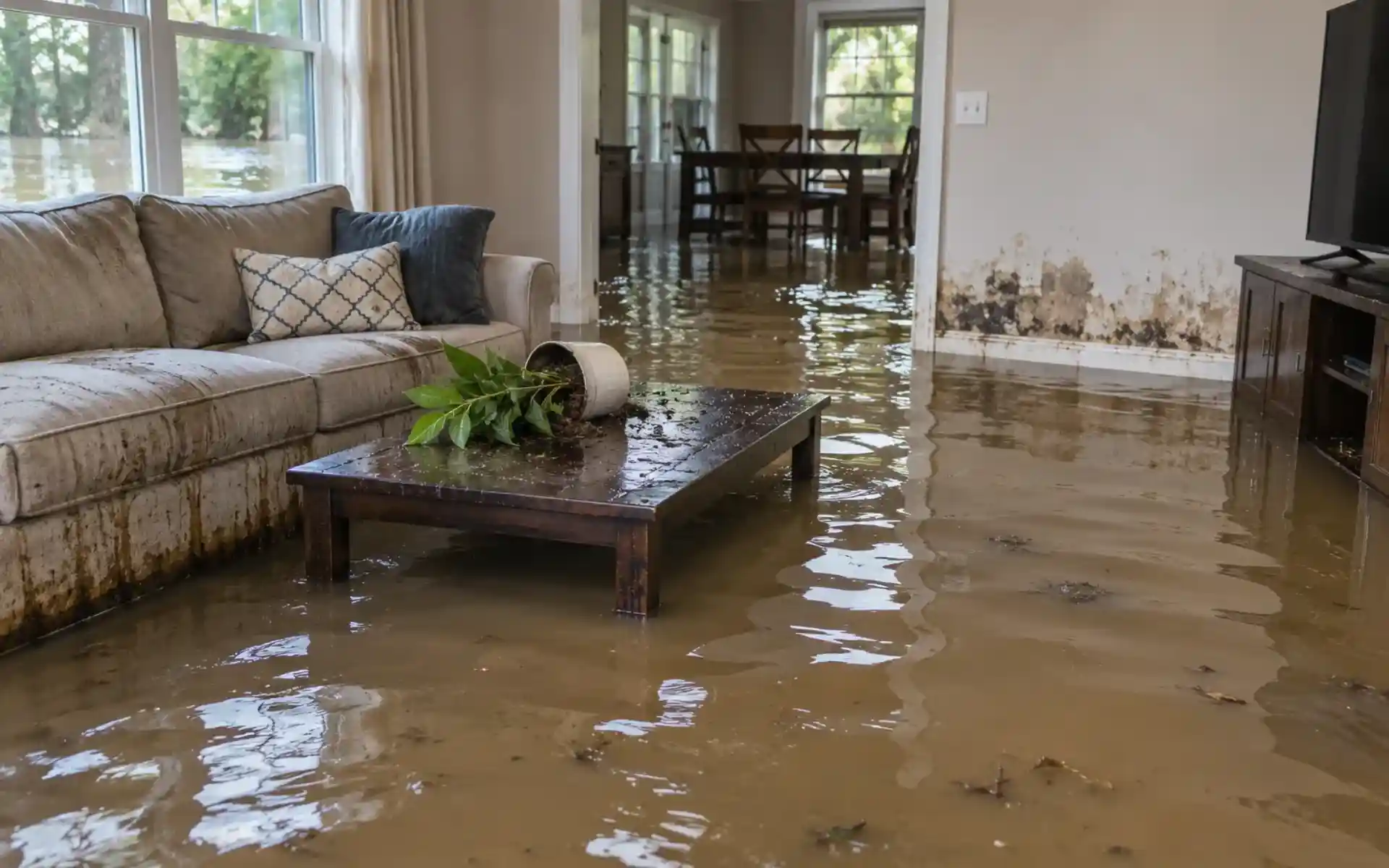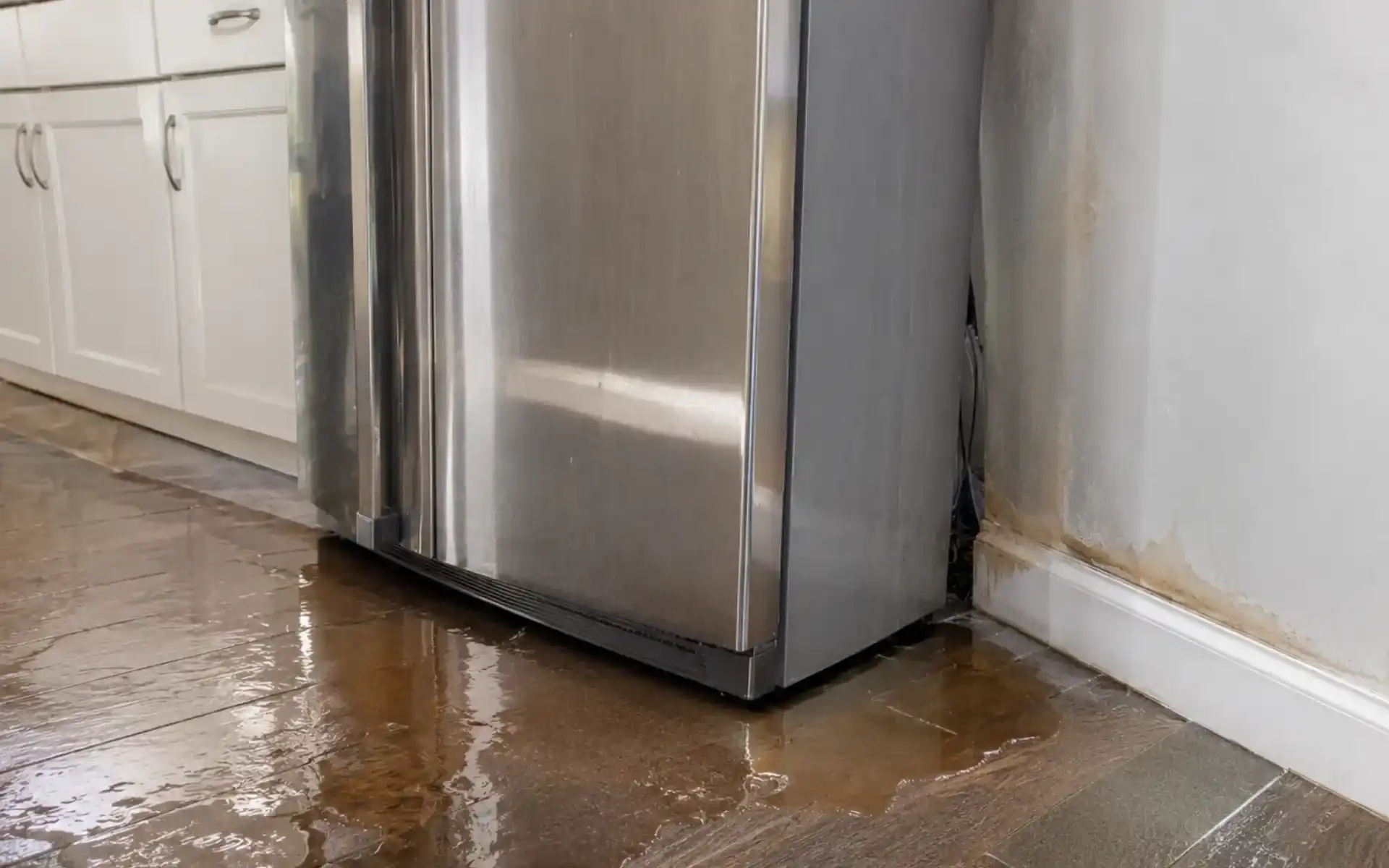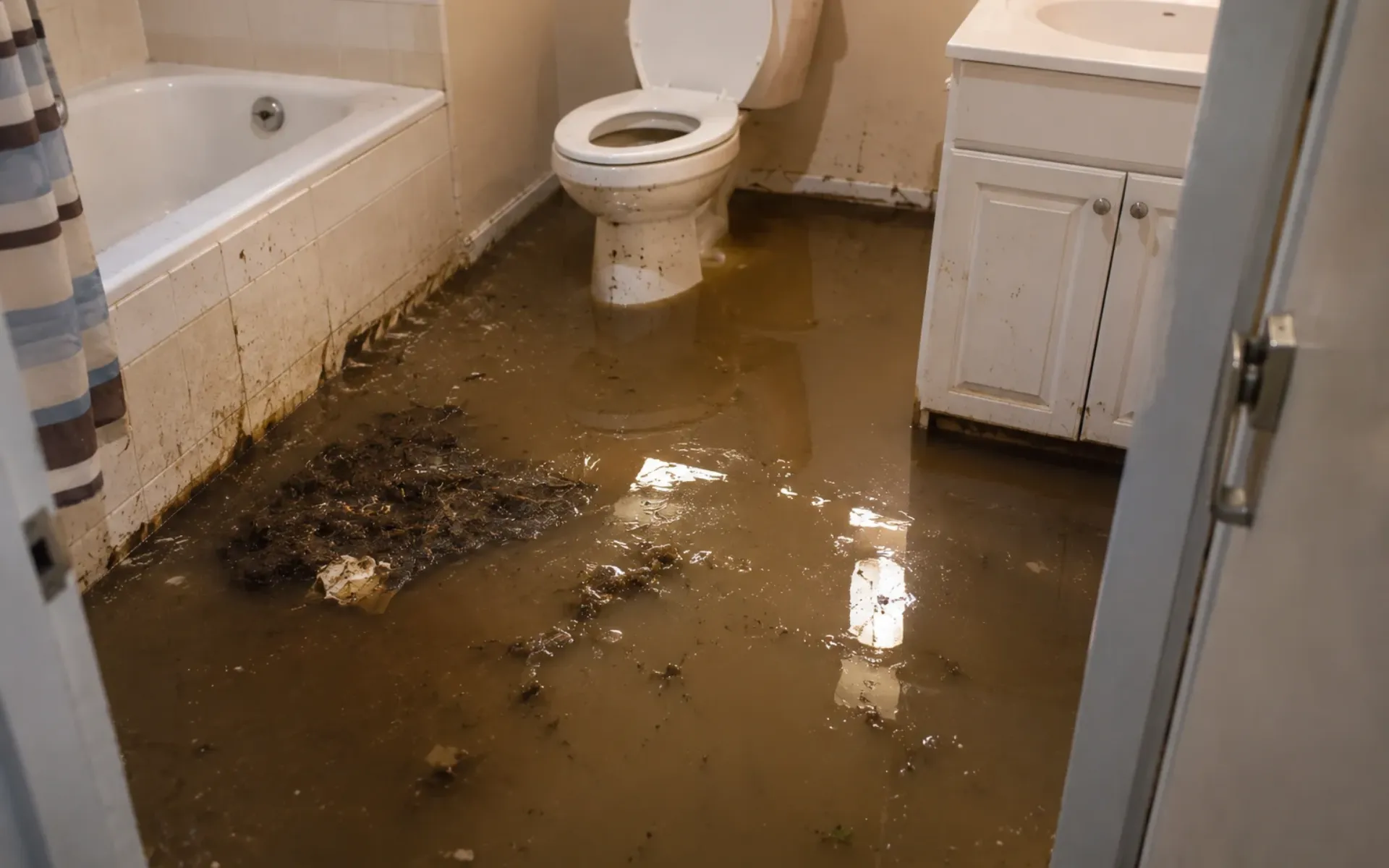
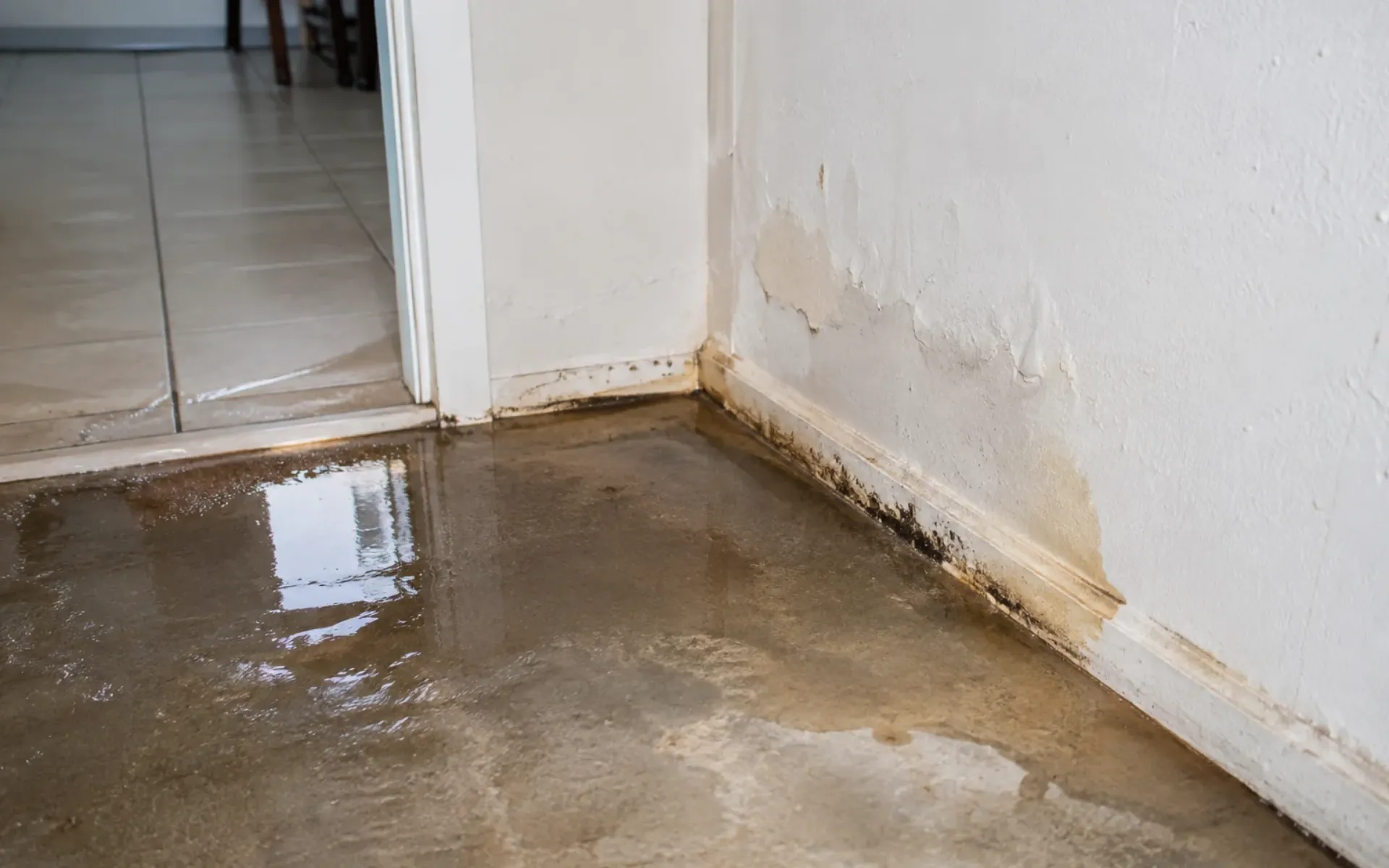
A slab leak is a leak in a water supply or drain pipe that runs underneath or inside a home’s concrete slab foundation. Because those pipes are buried and hidden from view, a leak can continue for a long time before anyone notices a problem. Slab-on-grade foundations are common in Southern California, so many local homes have supply lines sitting directly below the concrete floor. That hidden position is what makes the problem different from a leak under a sink, where water shows up quickly.
Delay carries real consequences, because unseen water can damage a home’s structure, push utility bills higher, and create conditions for mold. Small leaks that go unaddressed can escalate into serious structural issues as water erodes the ground beneath the foundation. Understanding what slab leaks are, why they develop, how to recognize them, and how plumbers fix them helps you respond early. Acting at the first sign usually keeps the repair smaller and the damage more limited.
What Is a Slab Leak and Where Does It Occur?
A slab leak is a leak in a water supply line or a sewer or drain line that runs beneath or through a home’s concrete foundation slab. The defining feature is location: the failing pipe is buried in or under concrete rather than exposed in a wall, ceiling, or crawl space. That placement means the leak cannot be seen directly, and its effects usually appear indirectly through floors, bills, or sounds. Plumbers need special equipment to confirm where the water is actually escaping.
Homes built on a slab foundation use that concrete pad in place of a crawl space or basement, so plumbing often runs under or through it. Supply pipes and water lines are routed beneath the concrete before the slab is poured, which keeps them out of sight but also out of easy reach. Homes with basements can face related hidden-plumbing issues, but the slab-on-grade design is where buried lines are most typical. In Southern California, this style of foundation is widespread, which makes slab leaks a familiar concern.
Slab leaks can involve several kinds of lines, and the type affects how the problem shows itself. Cold supply lines and hot supply lines both run below the floor, and either can leak under pressure at a weak point. Drain and sewer lines beneath the slab can fail too, though they carry wastewater rather than pressurized supply water. Knowing which line is involved shapes the warning signs you notice and the repair method a plumber recommends.
What Causes a Slab Leak?
Slab leaks result from five main causes: pipe corrosion, shifting soil, thermal expansion, high water pressure, and poor installation. These factors usually act over time rather than all at once, slowly weakening a buried line until it finally fails. Older copper or galvanized pipes are more vulnerable to corrosion, and metal reactions with water can thin the pipe wall. Ground movement and heat-related wear add further stress that homeowners never see happening below the floor.
Age is not the only factor, since newer homes can also develop slab leaks when pipes are poorly installed. Faulty construction, kinked lines, or weak joints can fail early even in a recently built house with modern materials. In practice, a leak often reflects several overlapping influences, such as aging metal combined with high pressure or moving soil. The three sections below look at each cause in more detail.
- Pipe corrosion
- Shifting soil
- Thermal expansion
- High water pressure
- Poor installation
How Does Pipe Corrosion Cause Slab Leaks?
Corrosion causes slab leaks by gradually thinning a pipe wall until a weak spot opens into a small pinhole leak. The process is driven by chemical reactions between the water supply and the metal of the pipe, and it advances slowly. Aging copper wears down this way, especially when the water is hard or acidic and carries plenty of dissolved minerals. Because the damage develops inside buried pipe, nothing signals the thinning until water finally begins to escape.
Risk is greater in older homes, where copper or galvanized lines have had decades of exposure to the water passing through them. High mineral content speeds the wear, so the same pipe material may last less time in one area than another. A pinhole may leak only a little at first, which is why a modest, steady rise in the water bill can be an early clue. As corrosion spreads, additional weak points can form along the same line, making repeated leaks more likely.
How Do Shifting Soil and Foundation Movement Damage Pipes?
Shifting soil damages pipes by moving, settling, or eroding the ground around buried lines until the pipes crack or break. A rigid pipe inside a slab cannot flex much, so even modest ground movement can concentrate stress at a joint or bend. Earthquakes, underground streams, and soil erosion all increase the likelihood of a leak by pressing on lines from outside. Settling after construction can also pull on pipes in ways that were never accounted for in their original layout.
Expansive clay soils are a well-known trigger because they swell when wet and shrink when dry, repeatedly shifting the foundation above them. The American Society of Civil Engineers has estimated that about 25% of homes are damaged by expansive soils, at roughly $2.3 billion in annual costs. That figure describes expansive soil damage in general, not slab leaks alone, but it shows how common ground movement is. Each wet-dry cycle can nudge pipes a little further until a weak section finally gives way.
Water itself can make the problem worse, since pooled water beneath the slab weakens the soil that supports the concrete. Once support is lost, the slab may crack, shift, or sink unevenly, putting additional strain on the pipes running through it. This creates a cycle in which a leak softens the soil, the soil movement stresses the pipe, and the damage grows. Cracks in walls or floors alongside other warning signs can point toward this kind of foundation movement.
Can Thermal Expansion, High Pressure, or Poor Installation Cause Leaks?
Yes, thermal expansion, constant high pressure, and poor installation can each cause slab leaks by stressing pipes over time. Hot copper lines expand and contract as they heat and cool, and that movement creates friction against surrounding concrete, gravel, or soil. Repeated rubbing gradually wears the pipe wall, which is why hot water lines tend to show abrasion more often than cold lines. The wear is slow, but it eventually leaves a thin spot where a leak can start.
Steady high water pressure strains joints and pipe walls, causing cracks at the weakest points when connections can no longer hold. Excessive pressure is a constant load, so it can shorten the life of pipes that would otherwise perform well for years. Incorrect installation compounds these risks, because kinked pipes and faulty construction joints are more likely to break under pressure. Such defects can fail prematurely, so even a relatively new home is not automatically safe from a slab leak.
What Are the Warning Signs of a Slab Leak?
The main warning signs of a slab leak are an unexplained jump in the water bill, warm floor spots, damp or buckling floors, and the sound of running water. Low water pressure, musty odors or mold, and a water meter dial that keeps moving with everything off are also common indicators. A sudden bill increase with no matching change in usage is one of the strongest hints of a possible slab leak. Which signs appear depends partly on whether the leak is in a hot line, a cold line, or a drain.
No single symptom proves a slab leak, because other plumbing or household issues can produce similar effects on their own. When several signs appear together, such as a high bill plus a warm patch of floor, a professional evaluation is justified. Damp carpet, warped floorboards, or lifting tile suggest moisture is reaching the surface, while faint hissing may be audible in a quiet house. Moisture trapped beneath the slab can also breed mold or mildew, leaving a musty smell that is hard to trace.
Damage can continue even when no water is visible, since the leak may be soaking soil and concrete rather than flooding a room. That is why the bill, the meter, and subtle changes in floor temperature or pressure matter so much as early evidence. Noticing a pattern across several of these signals gives a plumber a useful starting point for locating the problem. Prompt attention at this stage can prevent a small hidden leak from becoming a structural repair.
- High bill, no usage change
- Warm floor spots
- Damp or buckling floors
- Running or hissing sounds
- Low pressure, musty odors
How Can You Tell a Slab Leak Is Hot Water vs Cold Water?
A warm or hot spot on the floor points to a hot water line leak, while a damp area without warmth suggests a cold line or drain. When a hot line leaks, hot water collects beneath the leak and heats the concrete above it in certain areas. You may feel this as unexplained warm patches on carpet, wood, or tile, even when the home’s heating is off. Walking barefoot across the house is often how homeowners first notice the difference.
Another clue is a water heater that runs or cycles even though no one is using hot water. The heater keeps working to replace hot water lost underground, which can also add to energy costs. Leaking hot water lines are cited as 80% of slab leaks, so warm spots deserve particular attention. Cold line leaks lack the warm floor clue, so they rely more on bills, sounds, and dampness.
These observations help narrow the likely source, but they do not replace professional detection. A plumber can confirm which line is leaking and exactly where, using testing and locating equipment rather than guesswork. Telling the plumber what you noticed, including where floors feel warm and when the heater cycles, speeds up that process. Keeping notes on when each sign appears gives the technician a clearer picture of what the system is doing.
How Do You Check Whether Your Water Meter Shows a Leak?
To check whether your water meter shows a leak, shut off all water use and see whether the meter still moves. If the dial keeps spinning with no water running, water is going somewhere, and a hidden leak becomes a real possibility. Some meters include a small triangular dial that spins whenever water flows, making even slow leaks easier to spot. The test takes little effort and gives you objective information before you call anyone.
Follow these steps for a reliable check:
- Turn off all fixtures and appliances, including ice makers and irrigation.
- Note the current meter reading.
- Wait two hours without using any water.
- Check the meter again for movement.
If the reading changed or the leak dial is spinning, the system is losing water somewhere between the meter and your fixtures. Waiting the full two hours matters because very small leaks may not show movement in a few minutes.
A moving meter does not prove the leak is under the slab, since leaks can also come from toilets, outdoor lines, or other fixtures. Confirm the result against other evidence, such as a bill spike or low pressure, before concluding a slab leak is the cause. If those signs line up with warm floor spots or hissing sounds, a professional leak detection visit is the sensible next step. Writing down the readings gives the plumber useful data to work from.
How Are Slab Leaks Found?
Plumbers find slab leaks with non-invasive equipment, mainly acoustic listening devices and thermal imaging cameras, before any concrete is opened. Acoustic tools pick up the sound of escaping water through the slab, while thermal imaging reveals temperature differences caused by a pressurized leak. Pinpointing the exact break narrows the repair scope, which can reduce how much flooring and concrete must be disturbed. Skipping this step risks tearing into the wrong area and paying for avoidable damage.
Pressure testing helps identify which line is at fault by isolating sections of plumbing and monitoring whether pressure drops. A line that loses pressure points to the section that is leaking, so the search can focus on a smaller area. When a leak cannot be readily located, a plumber may drain the water line and pump air into it for a drain-and-air test. Combining these methods gives a clear, confirmed location before any repair work begins.
How Is a Slab Leak Repaired?
Slab leaks are repaired with four main methods: spot repair, pipe rerouting, under-slab tunneling, and epoxy pipe lining. Each one balances cost, disruption, and permanence differently, and the best fit depends on leak location, pipe condition, and the floors involved. Most repairs take anywhere from a few hours to a few days, depending on the method chosen. The table below compares the options at a glance, and the sections that follow explain each in detail.
Trenchless options such as pipe lining and pipe bursting are related approaches that minimize digging and disruption. They avoid tearing up large areas, but they depend on the pipe being in suitable condition to accept a liner or replacement. Epoxy lining is a low-cost option for pinholes in copper pipes or minor leaks in main sewer lines. More extensive damage generally calls for a more invasive fix that replaces or bypasses the failed section.
No single method is best for every home, so the decision should follow what the leak detection results reveal. An isolated break in otherwise healthy plumbing may suit a spot repair, while widespread problems may point toward rerouting. Perimeter leaks may allow tunneling, and small pinholes may respond to a liner without any digging at all. A contractor’s assessment ties these possibilities to your specific layout and pipe material.
| Method | Disruption | Best fit |
|---|---|---|
| Spot repair | High | Single break |
| Rerouting | Moderate | Multiple leaks |
| Epoxy lining | Low | Pinholes |
Spot Repair: Breaking Through the Slab
Spot repair means breaking through the concrete slab to fix the specific damaged section of pipe. It is typically the most affordable choice when the leak is isolated and the rest of the plumbing is in good condition. Because access is limited to the damaged section of concrete, the work is targeted rather than home-wide. That focus is what keeps its cost lower than larger plumbing changes.
The tradeoff is disruption, since this is the most invasive route into the floor. Flooring must be removed over the leak, the slab is opened, the pipe is repaired, and the concrete is patched. Afterward, the floor covering needs restoring, which adds work and expense beyond the plumbing repair itself. Homeowners should expect noise, dust, and some temporary loss of use of the affected room.
Spot repair is not an option in every home, particularly where post-tension cables run through the slab. These steel tension cables hold the concrete under compression, and jackhammering through them can damage the structure. Detection work therefore matters, because the plumber needs to know both where the leak is and what else lies in the slab. Where tension steel is present, another method is generally safer.
The method also makes less sense when the plumbing is failing in many places. Fixing one spot while neighboring pipe is corroded can lead to another leak elsewhere, followed by another round of concrete work. A single confirmed break in healthy pipe is the situation where spot repair makes the most sense. If other weak points are suspected, rerouting or another approach may prove more economical over time.
Pipe Rerouting: Running New Lines Through Walls or Attic
Pipe rerouting means abandoning the leaking pipe under the slab and running a new line through the walls or attic. Plumbers typically install PEX or copper, bypassing the buried section entirely instead of repairing the broken pipe where it lies. The old line is left in place, unused, so the concrete does not need to be opened. Water then reaches the same fixtures by an accessible path above the floor.
Rerouting is often less expensive than jackhammering a slab because concrete and floor covering need no restoration. It is also a good fit when a home has multiple leaks or aging pipes, since one new line replaces a failing run. It becomes especially useful when other options are not feasible, such as when tension cables limit access to the slab. Replacing the whole run also reduces the chance of repeated leaks along the same corroded line.
The main tradeoff is appearance, because new pipes may be visible rather than hidden below the floor. Plumbers usually need to cut into walls or reach through the attic or a crawl space to run the new lines. That means drywall repair and painting may follow, though these are generally simpler than rebuilding a floor. Planning pipe paths ahead of time can limit how many walls are opened.
Rerouting offers a long-term benefit because the new lines sit where they can be inspected and repaired later. If a problem develops, a plumber can reach the pipe through a wall or attic rather than through concrete. That accessibility can lower future repair costs and shorten the time needed to fix any later trouble. It is worth discussing with a contractor when your home has older metal pipes throughout.
Under-Slab Tunneling and Epoxy Pipe Lining
Under-slab tunneling digs a tunnel beneath the foundation from the outside to reach the leaking pipe without destroying interior floors. It suits leaks near the home’s perimeter, where crews can approach the line from the yard and leave finished floors intact. Among slab leak repair methods, it is labor-intensive and costly, which limits how often it is chosen. Leaks deep under the center of the home may make tunneling unfeasible.
Epoxy pipe lining takes a different approach, coating the inside of the pipe to seal leaks from within. A liner of epoxy is applied through the existing pipe, so the plumber does not need to dig to reach the damage. This makes it a low-cost option for pinholes in copper pipes or minor leaks in main sewer lines. It is classed with trenchless repair methods because it minimizes digging and disruption.
Lining works best on pipes with minor damage or small cracks, and it is not suitable for extensive damage. A pipe weakened along much of its length may not hold a liner well, and severely corroded sections may need replacement. Tunneling and lining both avoid tearing up interior flooring, but they solve different problems and depend on different conditions. Tunneling needs workable access, while lining needs pipe that is still in reasonably sound shape.
How Do You Choose the Right Repair Method?
The right repair method depends on leak location, pipe condition and material, accessibility, and whether the leak is isolated or recurring. Matching those factors to each option is more reliable than picking whichever method sounds least disruptive or cheapest. A contractor’s assessment, supported by leak detection results, should come before any decision about opening floors or concrete. Comparing written recommendations from more than one licensed plumber can also clarify your choices.
Consider these factors when weighing the options: the number of leaks, the age and material of the pipes, the leak’s location, how much floor disruption you can accept, and long-term reliability. An isolated leak in sound pipe often points to spot repair, while several leaks in aging lines favor rerouting. Perimeter leaks may suit tunneling, and small pinholes in copper may suit epoxy lining. Post-tension cables in the slab rule out jackhammering, which narrows the field further.
There is a real trade-off between invasiveness and permanence. Less invasive repairs protect floors and shorten the work, but they may address only the damaged section of an aging system. More invasive or extensive fixes can last longer but cost more and disturb more of the house. Trenchless methods may not suit severely corroded or heavily damaged pipes.
A recurring leak is a signal to look beyond the latest repair, since repeated failures often reflect broader pipe deterioration. Ask the plumber how the chosen method deals with the rest of the line and what the expected lifespan is. Questions about access to the pipe later, restoration of finishes, and warranty terms help you compare options fairly. The answers will usually make the best choice clearer for your particular home.
- Number of leaks
- Pipe age and material
- Leak location
- Floor disruption
- Long-term reliability
What Should You Do If You Suspect a Slab Leak?
If you suspect a slab leak, check your water meter, document what you see, and call a licensed plumber for leak detection. Acting quickly matters because small leaks can escalate into structural issues if they are left unaddressed. Follow these steps:
- Run the meter test with all water off.
- Note warm spots, damp floors, sounds, and bill changes.
- Call a licensed plumber. If water is pooling, shut off the main supply, but only if you can reach it safely.
Documenting signs helps the plumber and any later insurance conversation, so record dates, locations, and meter readings as you go. Photos of damp flooring or warped boards add useful detail, and your water bills show whether usage changed. Keeping a simple log of when the water heater cycles and where floors feel warm gives a technician a head start. These notes can save diagnostic time once the professional arrives.
Avoid breaking into the slab yourself, since DIY repair may worsen foundation damage, flooding, warranties, and code compliance. Without proper detection, you could cut into the wrong spot or damage tension cables or other pipes. The most common mistakes are waiting too long and ignoring small leaks because the signs seem minor. Early professional help generally costs less than repairing the damage that builds up during a delay.
Why Should Slab Leaks Be Addressed Quickly?
Slab leaks should be addressed quickly because escaping water erodes the soil beneath the slab, causing uneven settling, cracks, or even sinkholes. Persistent moisture also encourages mold, which adds a health concern and further damage on top of the structural risk. A continuous underground leak can waste thousands of gallons of water each month, which shows up as a higher bill. The loss goes on silently around the clock until someone finds and fixes the leak.
Costs tend to grow with delay, as a simple repair turns into a larger project involving structural and flooring work. Long-term remediation can rise above $5,000, depending on the leak and the extent of the damage. Early detection often keeps the work confined to a single section of pipe rather than the foundation and finishes. Responding at the first warning sign is usually the least expensive path.
Does Homeowners Insurance Cover Slab Leaks?
Homeowners insurance coverage for slab leaks varies by policy, but many policies cover sudden, accidental leaks and exclude gradual damage. In California, policies may exclude gradual corrosion and the cost of accessing the pipe, which can be a large part of a slab repair. Many policies exclude the actual slab leak repair, the pipe itself, and damage from gradual wear or neglect. Resulting damage, such as water-damaged flooring, may be treated differently from the plumbing repair.
Some insurers offer optional seepage or leakage coverage that may help in certain situations, depending on the wording. Reading your policy carefully shows what is covered, what is excluded, and what conditions apply to sudden versus gradual loss. Contact your insurer early, ideally before authorizing repairs, so you understand what will be considered and what documentation is needed. Photos, plumber reports, and bills can support a claim if coverage applies.
How Can You Reduce the Risk of a Slab Leak?
You can reduce the risk of a slab leak by monitoring water pressure, managing water quality, and watching bills and soil conditions. Keeping pressure within a safe range avoids excessive strain on pipes and joints, which wear faster under constant high pressure. Hard water can corrode pipes over time, so softening it reduces mineral-driven wear. Hard water mineral buildup is the primary driver of copper corrosion in older Orange County homes.
Follow these steps:
- Check water pressure regularly.
- Soften hard water.
- Review bills for unexplained increases.
- Schedule periodic inspections.
- Manage soil moisture near the foundation.
Soil moisture awareness helps because water pooling near the foundation can weaken support and shift the ground around buried lines. Invasive roots near pipes are another concern, so keep an eye on trees planted close to the home. When replacing plumbing, discuss pipe material choices with a licensed plumber who understands your water and soil.
Frequently Asked Questions About Slab Leaks
What is a slab leak in simple terms?
A slab leak is a leak in a water supply or drain line that runs under or inside a concrete foundation slab. Because the pipe is buried, the water can go unnoticed for a long time and may damage flooring, walls, and the soil beneath the home.
What are the most common signs of a slab leak?
Common warning signs include an unexplained rise in your water bill, the sound of running water when fixtures are off, warm spots on the floor, damp or buckling flooring, musty odors, and cracks in walls. A plumber should confirm the cause.
What causes a slab leak?
Slab leaks can result from pipe corrosion, pipe age, high water pressure, poor installation, or friction against concrete and gravel. Shifting soil and foundation movement may also stress pipes. The exact cause depends on the pipe material and conditions at each home.
Can a slab leak fix itself or be ignored?
No. A leak will not repair itself, and waiting can allow moisture to spread, weaken the soil, and promote mold. Even a small leak can waste water and raise costs. If you suspect one, shut off the water if needed and call a licensed plumber.
How do plumbers find a slab leak?
Plumbers typically start with a pressure test or a check of the water meter to confirm a leak. They may then use acoustic listening devices, thermal imaging, or other electronic detection tools to pinpoint its location before recommending repairs.
What are the repair options for a slab leak?
Options generally include spot repair by breaking through the slab, rerouting the line around the slab, repiping, or lining the existing pipe. The best choice depends on the leak’s location, pipe condition, and budget. Ask a plumber to explain the tradeoffs.